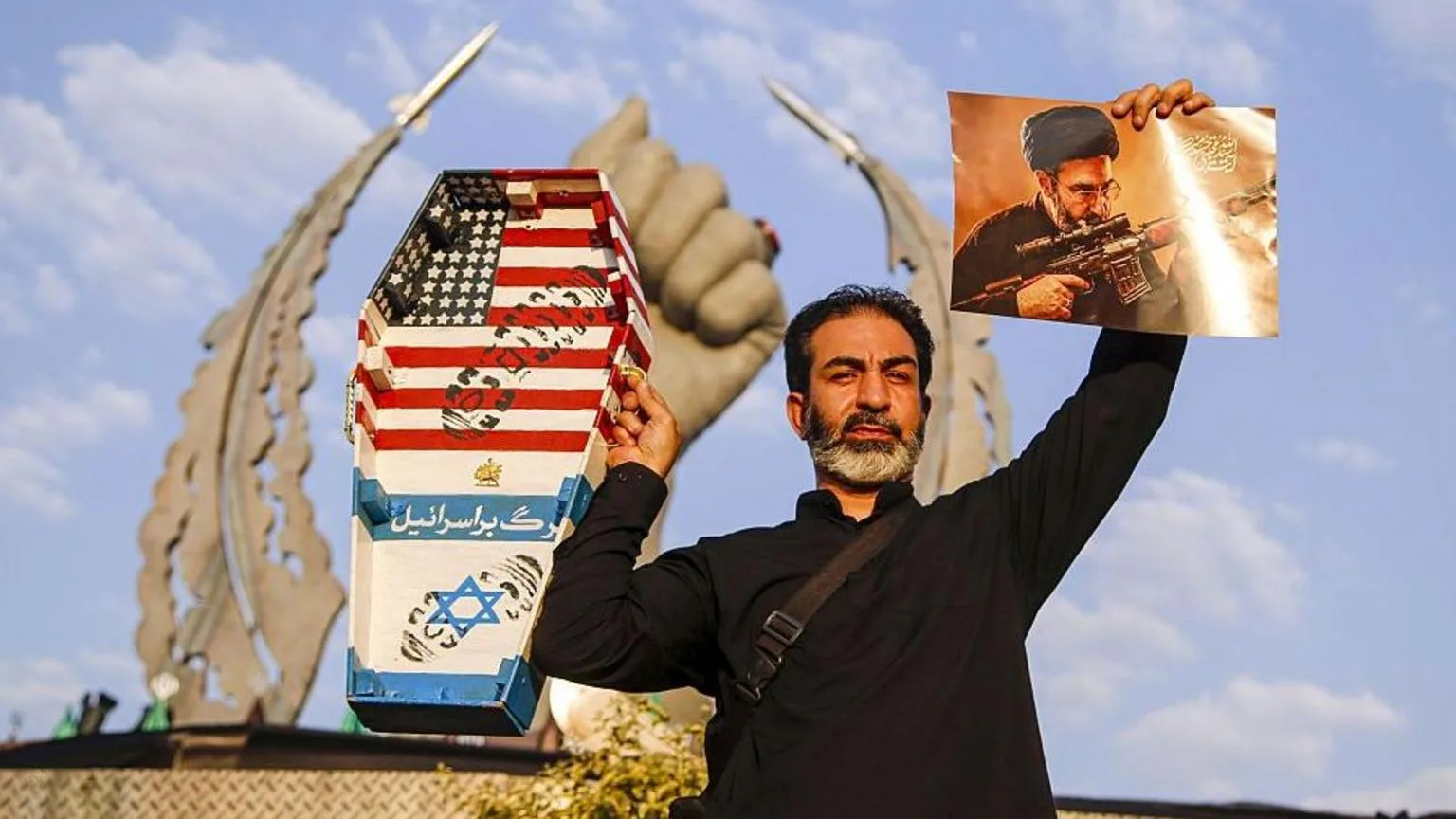
Supporters of the Islamic Republic of Iran's maximum pressure approach are strengthening their positions while the fate of the ceasefire and the end of the war with the United States remains uncertain. Islamic Republic officials have not only intensified restrictions in the Strait of Hormuz but have also added "ending the blockade of Yemen" to their conditions, presenting new demands for ending the war.
Iran's new conditions for ending the war
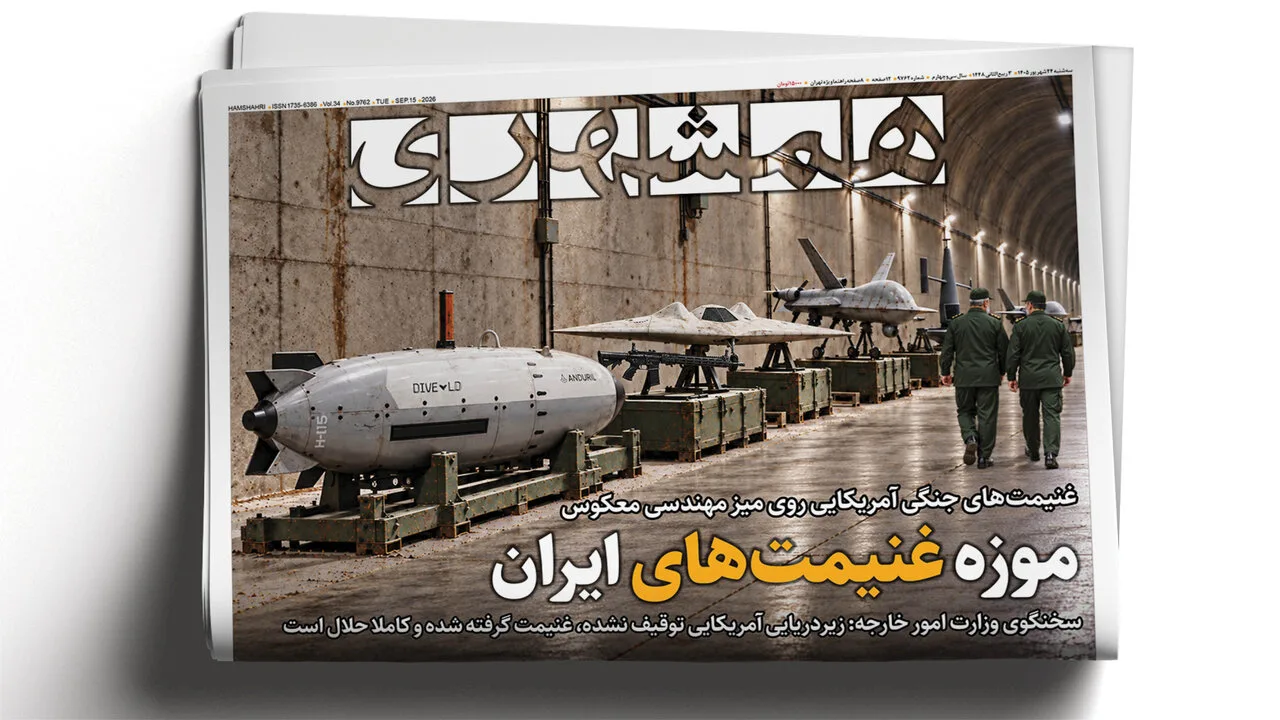
Iran had previously announced that for the war to end, the opposing side must: "completely stop the war, refrain from renewed threats, withdraw the Israeli army from Lebanon, release $24 billion of Iran's frozen assets, and refrain from any intervention in the country's nuclear and missile capabilities." Mohsen Rezaei, Secretary of the Supreme National Security Council, recently announced "new strategies in war, negotiation, and countering the blockade" and mentioned the establishment of "a new no-fly zone in the Persian Gulf and the Sea of Oman" as one of Iran's new strategies.
Read more: Ismail Baqaei: The Oman meeting was not held at the request of Saudi Arabia
Background and continuity of hardline approaches
In recent decades, opposition to dialogue and negotiation with the United States has become a fixed theme for part of the ruling faction in the Islamic Republic. Ali Khamenei, the former leader of the Islamic Republic, has repeatedly expressed his critical views on negotiating with the United States. However, at critical junctures, he has also agreed to direct and indirect negotiations between Tehran and Washington.
Hardliners refer to individuals like Hassan Rouhani, the former President of Iran, and other supporters of resolving disputes with the United States as "Western-oriented" and have severe criticisms of them. Among them, figures like Saeed Jalili and Mahmoud Nabavian particularly emphasize the necessity of pressure on the United States and not yielding to demands. Jalili clearly states that "if you do not aim for the maximum, you will not even reach the minimum."
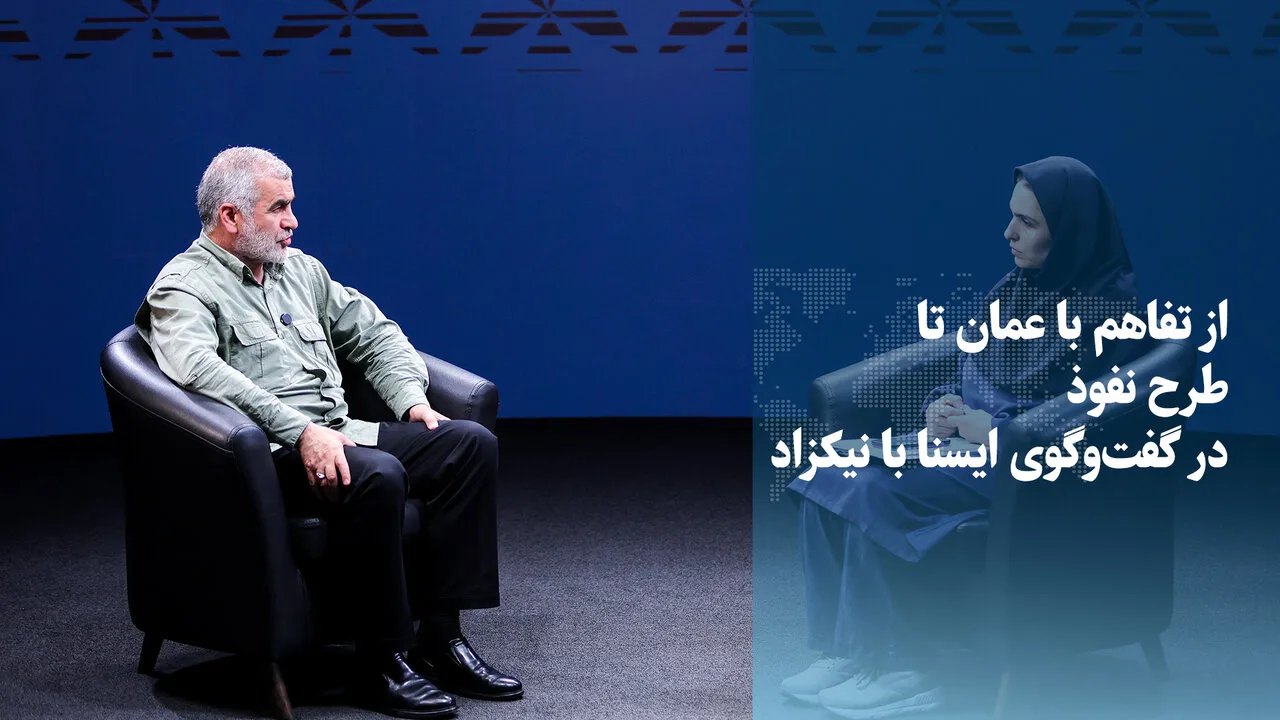
Mahmoud Nabavian, a member of the National Security Commission of the Parliament, believes that "we have brought the United States to its knees and are sitting on its chest" and that proactive measures should be taken. He referred on television to a letter from Mojtaba Khamenei, which stated that negotiations should be "halted."
Ultimately, supporters of this approach believe that given the rising energy prices and the upcoming midterm elections in the United States, Washington will have no desire to start a war and will only accept Tehran's demands if pressure from Iran increases.
Read more: The downed F-15 pilot: a bitter account of a battle in the skies of Iran · Michel Aoun's surprise visit to Nabatieh: A decisive message from Lebanon to Israel