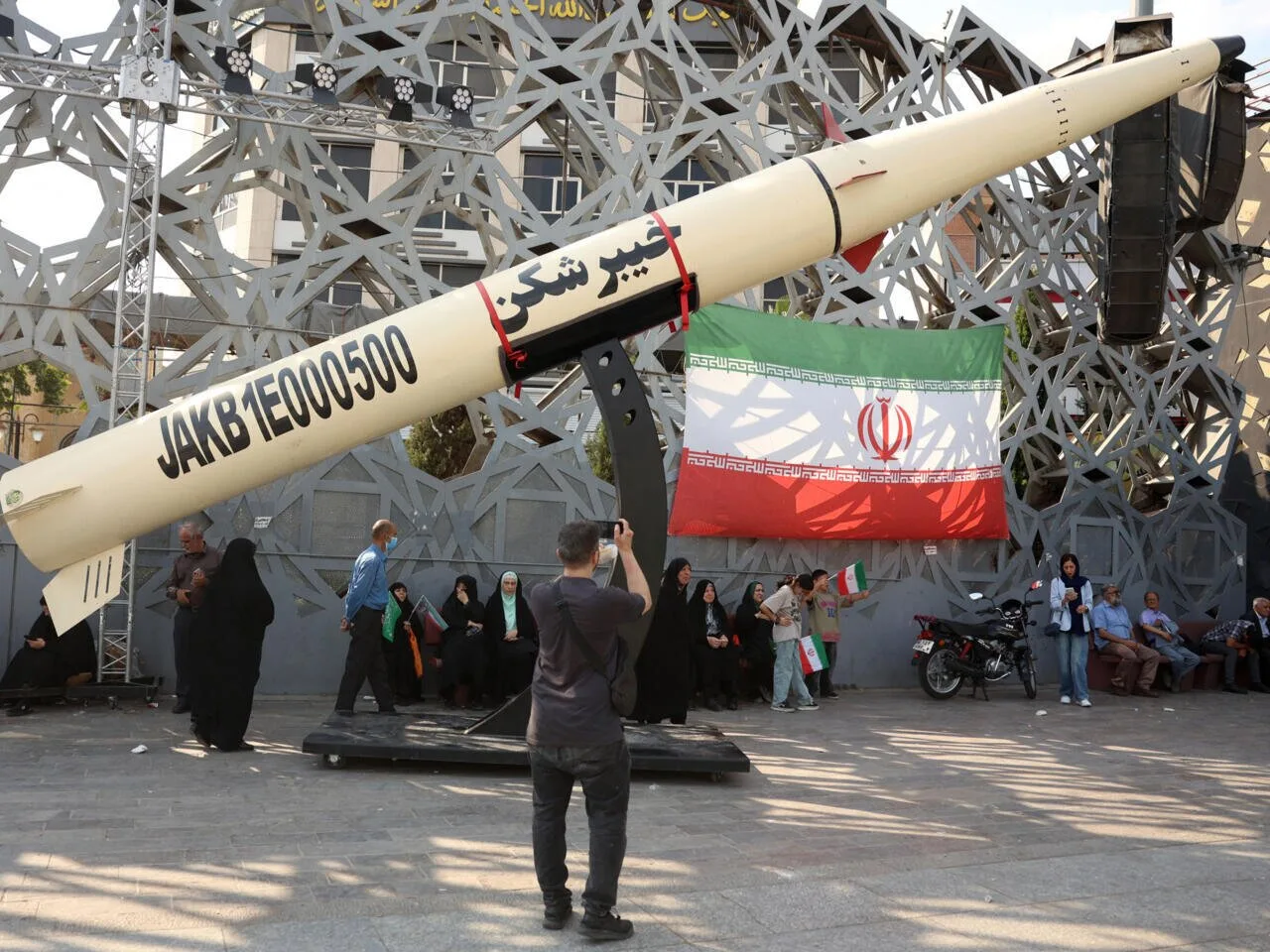
The White House is trying to encourage Saudi Arabia and the United Arab Emirates to create a united front against Ansar Allah. In private circles, American officials have urged these two countries to put aside their differences and form a unified military command to counter Ansar Allah's advances.
Historical and Political Context
Ansar Allah, a Yemeni group that has gained power in military and political spheres in recent years, is recognized as a serious threat to regional stability. This group has not only dominated large parts of Yemen but has also raised concerns for Arab countries due to its close ties with Iran. Meanwhile, Saudi Arabia and the UAE, as two major regional powers, have been embroiled in internal disputes and political rivalries in recent years.
Read more: The message from the U.S. envoy to Iraq after the withdrawal of military forces
White House Efforts and Possible Consequences
In this context, the White House's pressure on Riyadh and Abu Dhabi reflects the necessity of creating a joint strategy to address security threats. Especially as Ansar Allah, with military and financial support from Iran, moves to expand its influence in Yemen and beyond. Establishing a unified military command could help these countries act with greater coordination against common threats and create a form of deterrence against Ansar Allah.
Challenges Ahead
However, the alliance between Saudi Arabia and the UAE also faces specific challenges. Existing differences between the two countries, particularly regarding military and economic policies, may hinder the formation of an effective united front. In fact, each of these countries has its own interests and strategies that may lead to conflicts at critical moments.
Moreover, international concerns regarding human rights and the humanitarian consequences of the war in Yemen may also affect the White House's efforts. While these pressures may lead to the formation of a united front, the global community's response and its humanitarian implications must also be considered.
Conclusion
The White House's pressure on Saudi Arabia and the UAE to establish a unified military command against Ansar Allah represents significant developments in U.S. foreign policy and the security situation in the Middle East. This action could help strengthen the position of these two countries against Ansar Allah in the short term, but in the long term, it remains to be seen whether this alliance can benefit regional stability and security.
Read more: Trump Administration: Either we make a deal or we might blow them up · Iran's firm response to the claim of UAE's occupation of Persian Gulf islands