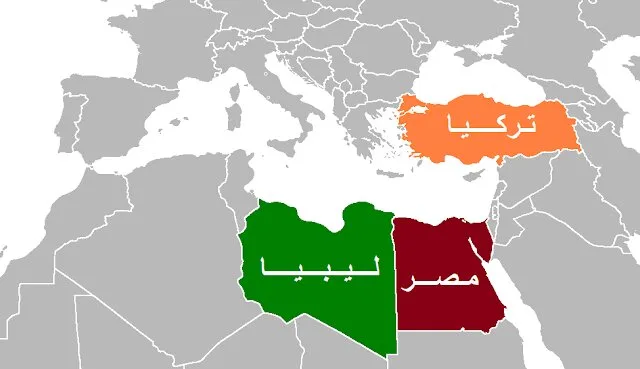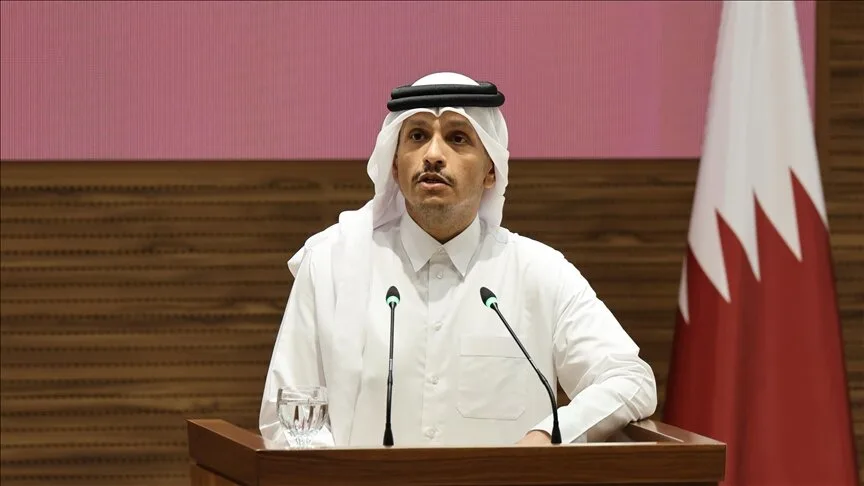
The Foreign Minister of Qatar, Mohammed bin Abdulrahman Al Thani, today initiated joint efforts to reduce tensions in the region during an important meeting with the foreign ministers of Lebanon and Egypt. This consultation is particularly significant in the current sensitive conditions where political and military tensions in the Middle East have increased.
Tripartite Discussions and Their Importance
In this meeting, the Prime Minister of Qatar also attended as a representative from Doha and emphasized that reducing tensions requires cooperation and collaboration from all parties. The foreign ministers of Lebanon, Abdullah Bou Habib, and Egypt, Sameh Shoukry, also stressed the importance of these discussions and the necessity of supporting stability and security in the region. This meeting reflects the shared will of these countries to create better conditions and peace in the Middle East.
Read more: Bin Salman and Richard Marles Discuss Military Cooperation
Dimensions and Consequences of the Discussions
According to reports, these consultations are particularly taking place in light of recent developments in the region and tensions arising from conflicts in some neighboring countries. The Foreign Minister of Qatar noted in this regard that "all countries must jointly act to solve problems and improve the humanitarian situation in the region." These statements reflect serious concerns about the humanitarian and security situation in the Middle East.
Given the current conditions, these discussions could be seen as a positive step towards reducing tensions and establishing a framework for future cooperation. At the same time, these meetings could strengthen diplomatic relations and economic cooperation among these countries. Diplomats believe that establishing security and stability in the region requires closer interaction and cooperation among neighboring countries.
Ultimately, it is expected that the results of these discussions will benefit the people of the region's countries and that effective steps will be taken towards establishing peace and tranquility. Given the multiple crises in the Middle East, these meetings could be viewed as an opportunity to reassess regional policies and strategies.
Read more: JD Vance Prepares for 2028 Presidential Run · Hezbollah Lebanon: The Army, Nation, and Resistance slogan is the most successful slogan