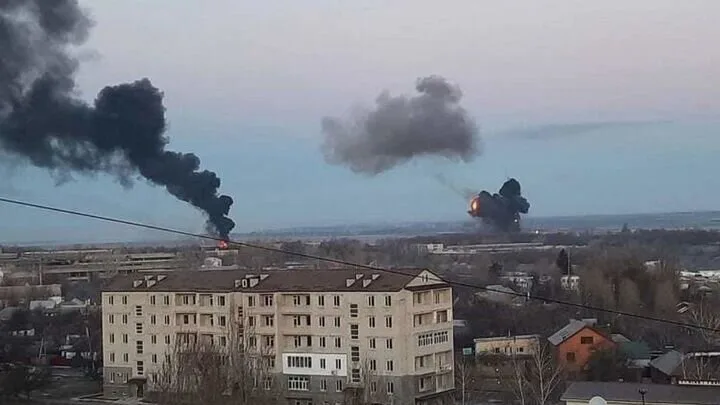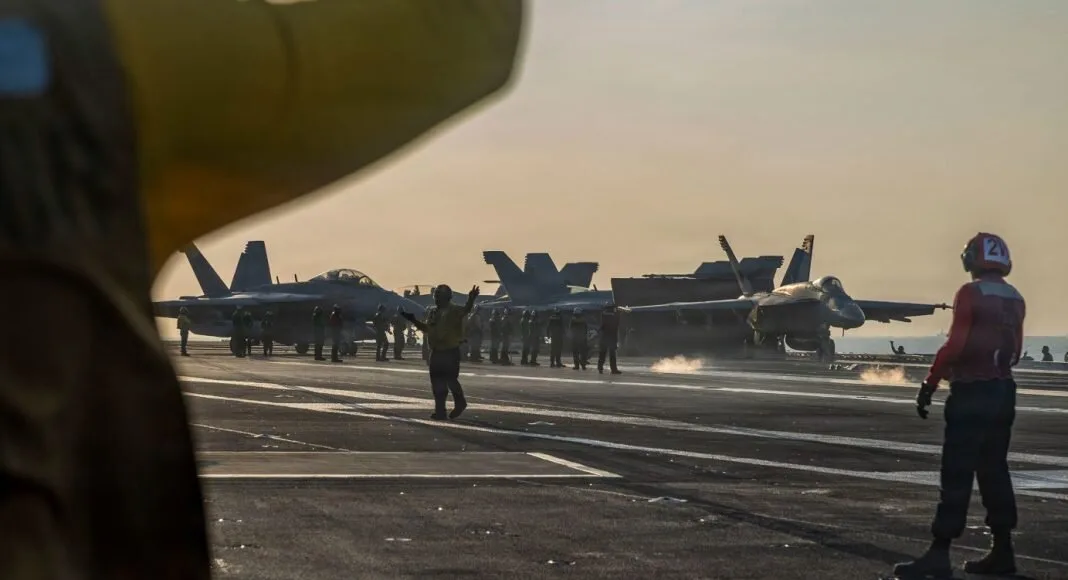
Trump's war against Iran, as a historical event, not only led to the weakening of America's hegemony but also resulted in grounding this country's war machine. This war, which began following the unpredictable decisions of former U.S. President Donald Trump, has pushed half of Americans into a level of poverty where they are unable to meet their basic needs.
Heavy Costs of War and Economic Impacts
According to published reports, the U.S. imposed war on Iran has caused $265 billion in damage to the economy of this country over eight months, which translates to nearly $2,000 for each American household. These costs have not only led to price increases across the country but have also kept wages stagnant, placing half of the population in a position where they cannot afford their basic living necessities.
Read more: The War with Iran Becomes a Challenge for Trump's Election
In this context, American media have pointed to the dire economic situation of last week and addressed the problems arising from the war as well as the unprecedented heat of this summer. In fact, this summer has been the hottest recorded in the United States, and the costs associated with maintaining air conditioning units have become a heavy financial burden for households.
Military and Strategic Analyses
William H. McRaven, a retired Admiral of the U.S. Navy, in an article examines Washington's strategic errors and points out that the war with Iran is an example of a lack of understanding of geographical realities and Iran's will to resist. He believes that the objectives of the war have continuously changed, and this instability has made achieving positive results very difficult.
McRaven emphasizes that if the goal of the U.S. was to change the Iranian regime, there would likely have been a need to deploy ground forces, which would have come with greater costs and risks. He also highlights the importance of the Strait of Hormuz as a strategic lever for Iran, stating that this country is in a defensive position and does not need to seize enemy territory.
These analyses clearly show that the U.S. should have paid more attention to Iran's strong resistance from the beginning. McRaven, referencing the wartime experiences of Iran and Iraq, emphasizes that Iranian leaders view this war as a battle for their survival, which strengthens their resolve to continue resisting.
Ultimately, various publications point to the impacts of the war on Iran's power and emphasize that this war has not weakened Iran but rather strengthened it, teaching the country how to impose heavy costs on its adversaries. Based on these analyses, ending the war without deterrence could enhance Iran's regional and international power.
Read more: Zelensky and Rubio Discuss Defense and Starlink · Mohammad Reza Sabouri, Iran's Ambassador in Rome, Concludes His Mission