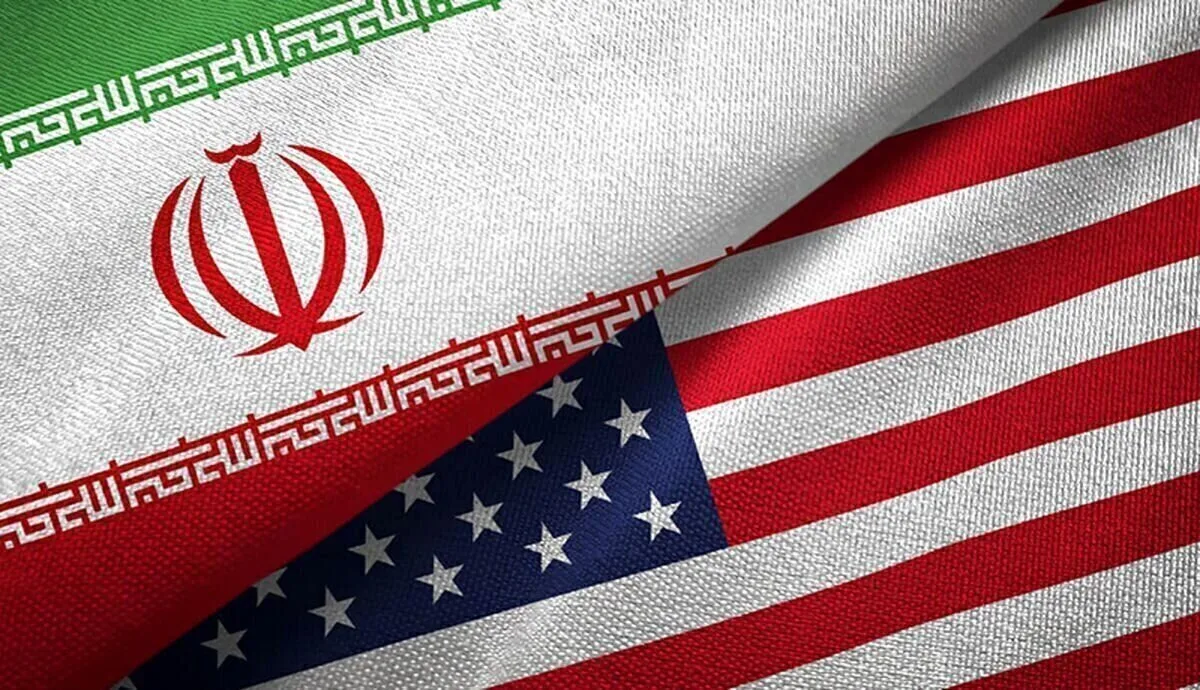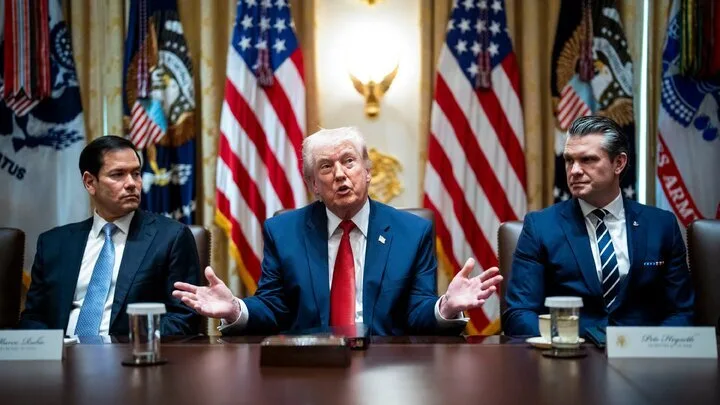
The Donald Trump administration, the President of the United States, rejected Iran's seven-day ceasefire proposal to continue war-ending negotiations. This decision comes as negotiations between Iran and intermediaries in Qatar have reached sensitive stages.
Details of Iran's Proposal
According to published information, Iranian negotiators presented this proposal through intermediaries in Qatar. Iran has called for an end to the illegal maritime blockade of its ports by the United States and proposed that if this blockade is lifted, the Strait of Hormuz would be reopened and nuclear negotiations resumed. This request is somewhat an effort to ease economic conditions and improve the situation in the region.
Read more: Iran Announces Its Seven Conditions to the U.S.
U.S. Response and Concerns
U.S. officials have informed Tehran and intermediaries that there is no plan to lift the blockade. This comes as Iranian officials emphasize continued resistance against the economic war and assert that they will not accept dictated conditions that contradict national interests and Iran's legitimate rights. This news clearly indicates the ongoing economic pressure on Iran and the efforts to force it into an agreement under Washington's terms.
The Trump administration, while recently claiming that Iran is eager for an agreement as soon as the U.S. midterm elections are over, has actually fluctuated over the past seven months and expressed doubts about Iran's positions regarding its nuclear program. These fluctuations are particularly notable as Masoud Pezeshkian, the President of Iran, emphasizes the right to develop and peacefully use nuclear energy.
Iran's Positions and Ongoing Negotiations
Masoud Pezeshkian stated at the eighty-first session of the United Nations General Assembly: "Iran does not see nuclear weapons as a factor of security, but will not give up its right to science, industry, and peaceful energy." He also emphasized that peaceful solutions can provide the world with credible assurance of the peaceful nature of Iran's program and the preservation of the rights of the Iranian people.
Furthermore, Seyed Abbas Araghchi, Iran's Foreign Minister, referred to the rejection of sanctions and the refusal to relinquish Iran's sovereign rights. He said: "Iran has kept the door to diplomacy open and has continuously and in good faith participated in negotiations over the past two years. However, the United States has responded with malice at every turn and resorted to military aggression instead of diplomacy." Araghchi also added that Iran has conveyed a specific seven-day program to the United States, and the choice is now up to Washington.
Agreements between Iran and the United States have so far been affected by unilateral U.S. actions, disrupting the implementation of previous understandings. While Iran seeks diplomatic solutions, these developments highlight the existing challenges in the negotiation process and the need for mutual trust-building.
Read more: Gharibabadi: The Soldier is a Symbol of Responsibility and Standing for the Homeland · Iman Dashti, a Michigan Student, Challenged Abdul Al-Sayed