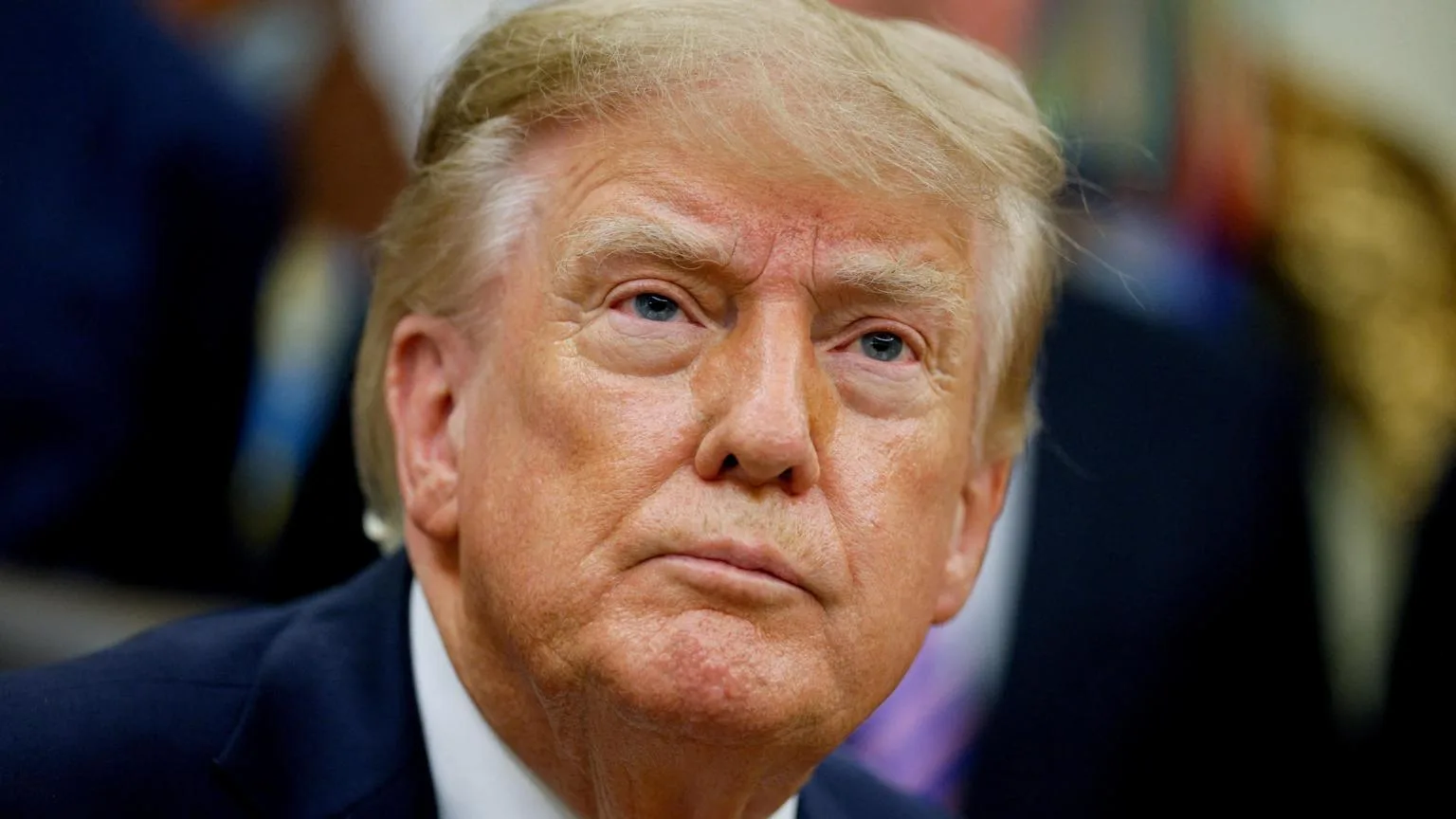
Trump recently announced serious decision-making regarding Iran. These statements come at a time when the Khatam al-Anbiya Headquarters has declared in a statement that, based on received information, the U.S. intends to resume actions against Iran with the green light from some regional countries.
Secret Meeting of Military Commanders
The Tasnim news agency, which is close to military and security institutions, wrote after the release of this statement that it likely refers to a "secret meeting" involving U.S. and Israeli military commanders and several Arab countries in Germany. This meeting was first revealed by Axios on September 15 and is said to have taken place a week earlier.
Read more: The withdrawal of international coalition forces from Iraq will not cause concern
Axios, citing two Israeli officials who wished to remain anonymous, reported that senior military commanders from the U.S., Israel, and Arab countries gathered in Germany to discuss the war in Iran and tensions in the Middle East. In this meeting, in addition to U.S. representatives, senior military commanders from Israel, Saudi Arabia, the UAE, Bahrain, Kuwait, Qatar, Jordan, and Egypt were also present.
Details of the Meeting and Its Consequences
Among the participants were names like Brad Cooper, the CENTCOM commander, and Eyal Zamir, the head of the Israeli Armed Forces. The Arab countries present at this meeting have not yet commented, but CENTCOM has confirmed the meeting in a statement. This meeting is seen as a rare opportunity for dialogue between Israeli and Arab commanders whose diplomatic relations are severed.
According to Axios, this meeting was initiated by Brad Cooper, who emphasized that the U.S. would not withdraw its forces from the region. Additionally, General Eyal Zamir provided a report on the Israeli army's operations on various fronts during the meeting. The Times of Israel also reported that this meeting took place in a remote ski lodge in Germany.
As tensions in the Middle East have sharply increased, Trump's statements and such secret meetings have heightened concerns about the future of Iran-U.S. relations and the implications of these relations for regional countries. These developments indicate a shift in the U.S. approach towards Iran and its allies in the Middle East, which could have widespread implications for regional stability.
Read more: Rapid advances and new developments of Ansar Allah on the front lines of Yemen · Amir Sayyari: The enemy must leave the region in disgrace