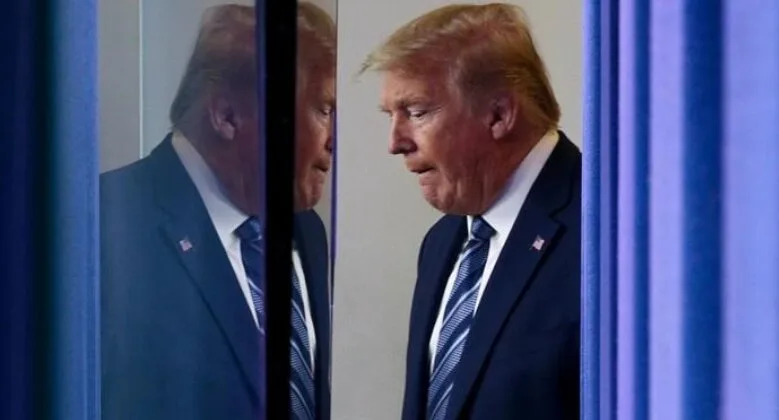
The Trump administration, especially in its second term, has steered U.S. foreign policy in a direction where the line between official diplomacy, support for ideological allies, and private commercial interests has become increasingly blurred. In this situation, not only have relations between the U.S. and its allies become strained, but their trust in Washington's policies has been severely damaged.
Blurring of Boundaries
In the past, the diplomacy and foreign policy of each country were shaped based on specific principles, with national interests clearly prioritized. However, under the Trump administration, these boundaries have become significantly ambiguous. Trump's approach to foreign policy, especially regarding countries recognized as strategic allies of the U.S., has become a serious challenge due to its instability and lack of transparency.
Read more: Donald Trump's conversation with Arab leaders about Iran issues
Instead of focusing on common interests and strengthening diplomatic relations, the Trump administration seems to have leaned more towards its personal and commercial interests. This attitude has not only led to distrust among allied countries but has also compelled them to reconsider their relations with the U.S.
Consequences of Damaged Trust
Lack of trust in Trump's policies, especially in trade, military, and security areas, could have serious global consequences for the U.S. Countries that traditionally viewed the U.S. as a reliable partner are now seeking other options to strengthen their economic and security relations. This could lead to a shift in the global balance of power.
Moreover, the blurring of the line between personal and governmental policies could lead to corruption and financial abuses at high government levels. Many analysts believe that this trend will not only be detrimental to U.S. foreign policy but could also weaken democratic institutions and the rule of law principles within the country.
In conclusion, it must be said that the Trump administration, with its unique approach to foreign policy, has not only challenged U.S. relations with its allies but has also created an uncertain future for the United States' international policies. This situation could lead to a fundamental change in the international system and necessitate a reevaluation of current approaches.
Read more: Phone call between Mohammed bin Salman and Emmanuel Macron about regional developments · Bafel Talabani in Tehran; security of borders and economic cooperation on the agenda of talks with Iran