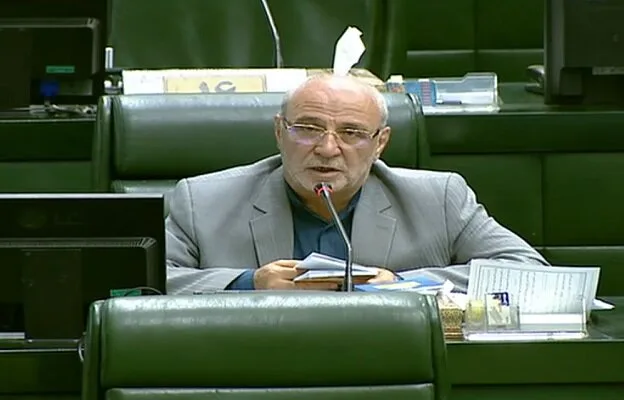
The Vice President of the Article 90 Commission of the Islamic Consultative Assembly has recently called for the examination and urgent consideration of the proposal for Iran's exit from the Treaty on the Non-Proliferation of Nuclear Weapons (NPT). This request has been made in response to recent developments in the international arena and increasing concerns about the national security of the country.
Background and Conditions of This Request
Since 1970, Iran has been committed as one of the signatory countries of the NPT to refrain from the proliferation of nuclear weapons and to cooperate in the peaceful use of nuclear energy. However, in recent years, especially after the United States' withdrawal from the nuclear agreement, many experts and political officials in Iran believe that continuing to adhere to this treaty is no longer in the national interest.
Read more: Seyyed Attaollah Mohajerani and the Desire to Return to Iran Alongside Recognized Figures
In this regard, the Vice President of the Article 90 Commission stated that the failure of other countries to fulfill their commitments could harm Iran's national security, emphasizing that it is time for the parliament to seriously address this issue. He also noted that this proposal should be examined and approved quickly so that Iran can take necessary actions against external threats, especially in the nuclear field.
Possible Consequences of Exiting the NPT
Exiting the NPT could have serious consequences for Iran. This action is likely to lead to increased tensions with Western countries, particularly the United States, and may result in further sanctions. On the other hand, some analysts believe that exiting the NPT could allow Iran to develop its nuclear program without international restrictions.
The Vice President of the Article 90 Commission also pointed out that if this proposal is approved, Iran must communicate clearly and transparently with the international community to prevent potential negative consequences. He emphasized that it should be carefully examined whether exiting the NPT could serve as a pressure tool against other countries.
Ultimately, this request from the Vice President of the Article 90 Commission reflects deep concerns about the future of Iran's nuclear program and the national security of the country. Given the rapid global developments and changes in international policies, examining this proposal could become a turning point in Iran's relations with other countries.
Read more: Seyyed Abolfazl Mousavipour: Free Distribution of Safety Helmets in Front of Schools Begins · The Israeli Army Faces a Serious Budget Crisis and Ammunition Shortage