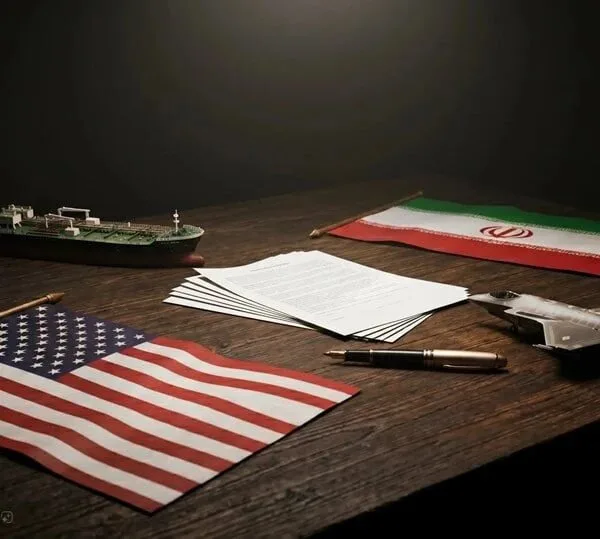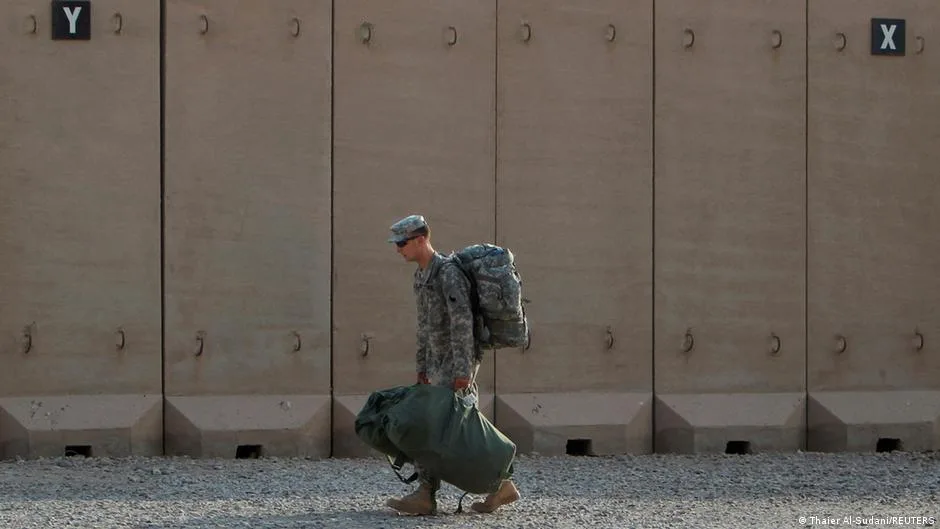
The withdrawal of the military forces of the international coalition led by the United States from Iraq has marked a new chapter in the geopolitical equations of the Middle East. Mustafa Al-Kadhimi, the Prime Minister of Iraq, welcomed this development, designating October 1 as "Sovereignty and Independence Day." At the same time, the Iranian government and the Revolutionary Guards also seem pleased with this event.
New Crises in the Kurdistan Region
However, for the Kurdistan Region, which has benefited from American support over the past two decades, this development is a serious warning sign. Erbil now finds itself in a crisis situation, facing unprecedented pressures from the central government, security threats from neighboring countries, and internal conflicts.
Read more: Greg Stanton: Wars no longer have winners, and sustainable order is more important
Many observers believe that the main danger for the Kurdistan Region is the gradual erosion of its political and economic power. Hossam Dasht-Pish, a Middle East analyst, points to Tehran's overarching strategy towards Erbil, describing it as hostile. According to him, the Islamic Republic's goal is to reduce the Kurdistan Region to a purely administrative and neutral entity.
Internal Divisions and Security Challenges
Saleh al-Din Khadiu, a political researcher, believes that this policy does not necessarily mean the complete destruction of the region's autonomy, but rather aims to create a "controlled and weakened" region. He emphasizes that the era of prosperity for the Kurdistan Region has ended, and this area is now in a more vulnerable position.
In the midst of a tumultuous history, the specter of the civil war of the 1990s still looms over the two main parties, the Kurdistan Democratic Party of Iraq and the Patriotic Union of Kurdistan. These internal disputes have allowed external actors to easily infiltrate the political and security structure of the region.
Hiwa Mahmoud Osman, a journalist and analyst, stresses that Tehran's strategy is more complex than missile and military attacks, and neighbors rely on internal divisions to advance their goals. He believes that if the Kurds cannot overcome these disputes, it may lead to the complete erosion of the Kurdistan Region's structure.
In light of recent developments, the Kurdistan Region must redefine alliances and end internal disputes to prepare for new challenges.
Read more: Escalation of Houthi attacks on Saudi Arabia challenges the Mecca defense pact · 56 countries reaffirmed their commitments to Iran