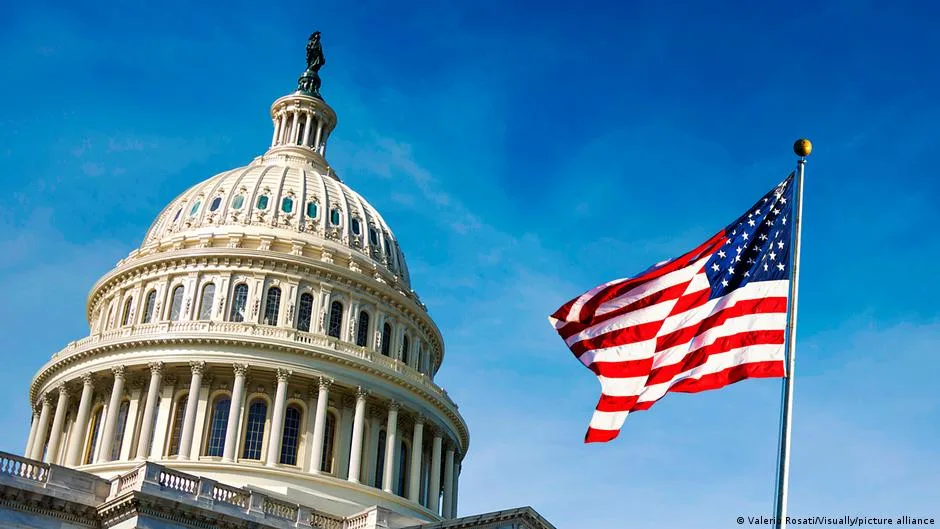
On Wednesday, September 16 (Shahrivar 25), the United States House of Representatives passed a comprehensive proposal, approving new sanctions against Russia and extending sanctions against the Islamic Republic. This proposal, which has been sent to the White House, was approved with 262 votes in favor and 159 votes against, and only requires the signature of Donald Trump, the President of the United States, to become law.
Details of the New Sanctions Proposal
The U.S. Senate had previously approved this proposal in mid-August of this year with 86 votes in favor and 11 votes against. This proposal is titled "The Russia and Iran Sanctions Act in Memory of Lindsey Graham in 2026." Lindsey Graham, a Republican senator and one of the main architects of this proposal, passed away this summer.
Read more: Sisi Asks Bin Salman to Negotiate with Ansarullah
The new sanctions include measures against certain officials, banks, and financial institutions in Russia, and also target a network of tankers belonging to Russia's "shadow fleet." This network was created to circumvent oil sanctions. Additionally, the President of the United States will be authorized to impose tariffs of up to 100% on imported products from the largest buyer of Russian oil and gas.
Sanctions Against the Islamic Republic and Consequences
The current proposal extends the validity of the "Iran Sanctions Act," which was passed in 1996, for five years. This legislation, which was set to expire at the end of this year, has now been extended until 2031. Overall, this law maintains the legal framework of existing sanctions, and Iranian companies and entities that have engaged in military cooperation with Russia will be sanctioned due to the section related to Russia.
Furthermore, this law is recognized as one of the pillars of U.S. sanctions against Iran's energy sector and allows the U.S. government to impose sanctions against foreign companies and individuals involved in certain investments and transactions related to the oil and gas industry of the Islamic Republic.
Ultimately, the approval of this proposal will have profound impacts on Iran-Russia relations and the economic situation of the Islamic Republic. Given Iran's close ties with Russia in economic and military fields, these sanctions could have serious implications for the relations between the two countries and the economic situation in Iran.
Read more: Macron Orders French Government to Address Fuel Shortages · Alireza Zakani; The People of Iran Are Not War-Mongers but Will Not Back Down Against Imposed War