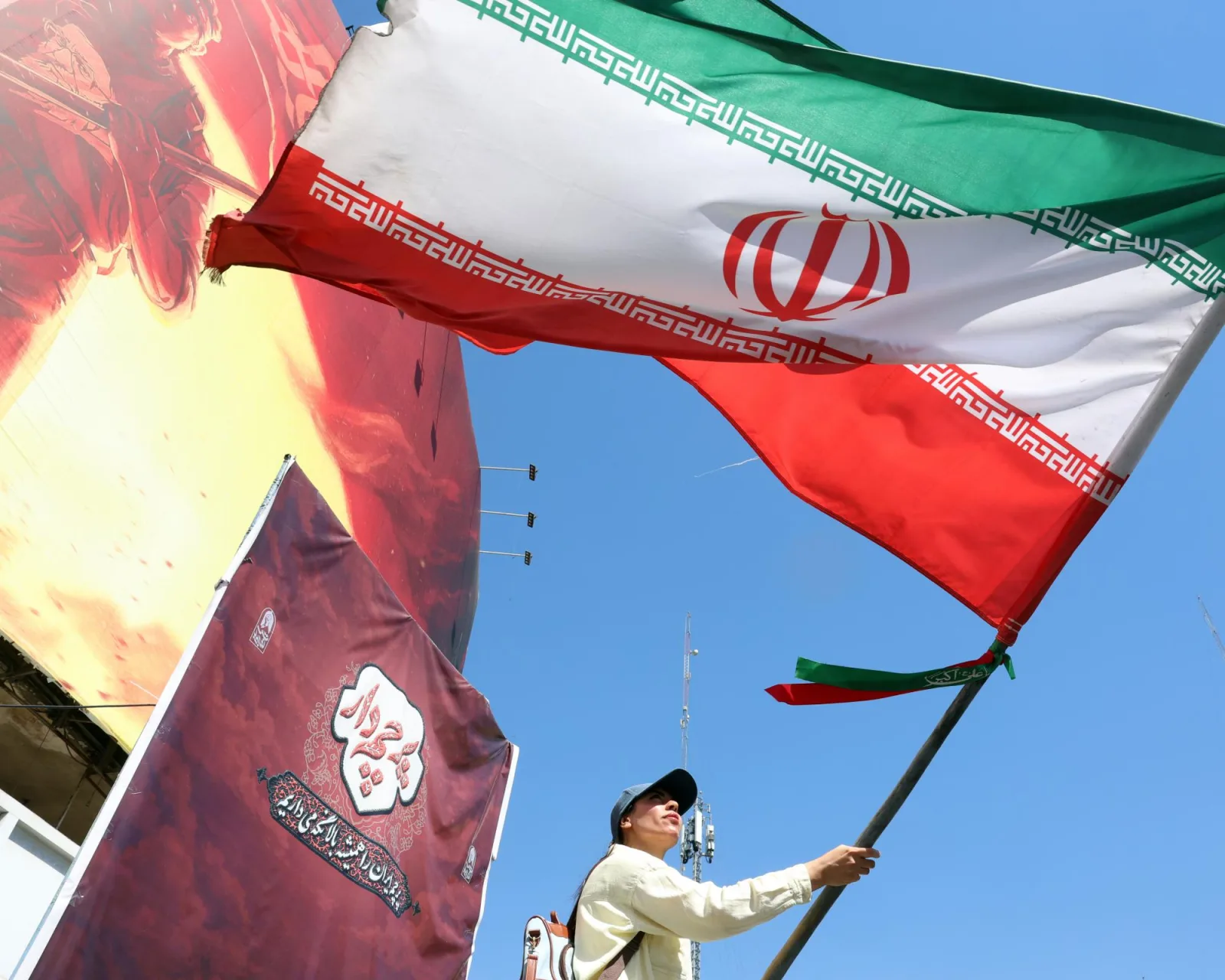
The U.S. government, led by Donald Trump, recently asked in one of its statements: "When are the Iranians going to rise up and fight?" However, the reality in Iran shows that the people of this country are strongly united against foreign attacks instead of rising against their own government.
Changing Attitudes of the Iranian People
While there are no credible national polls that reflect the current opinions of Iranians regarding war, individual observations and numerous conversations with people indicate that anti-American sentiments are significantly on the rise. As a social researcher working with Iranian startups and the digital ecosystem, my understanding of this environment before the war began was that support for the government was very weak. However, now, in this atmosphere, hatred towards U.S. policies and war in Iran is clearly felt.
Read more: Masoud Pezeshkian traveled to New York
New and Influential Voices
Individuals like Majid Hosseini-Nejad, an entrepreneur and founder of the online travel agency Alibaba, are increasingly taking a stand on social media against the war between the U.S. and Israel. He tweeted: "God willing, a day will not pass when the attack on Iran becomes a terrifying nightmare for them," and these sentiments are spreading among many economic activists and young Iranians. This change in attitude indicates that even if people have serious criticisms of their government, they feel united against foreign aggressions.
The bitter images and stories published about the war have a profound impact on public opinion. Incidents like the school tragedy in Minab and the massacre of people at weddings in the southern regions change people's understanding of the war and remind them that the victims of this war are ordinary and innocent people.
Iran, a Country at War
These sentiments not only intensify hatred towards the U.S. but also strengthen nationalism and anti-imperialism. Beyond the fact that Iranians naturally criticize their government, they do not want their country to be subjected to bombing and destruction. This new understanding of the realities of war has led many people to conclude that Iran is at war with a foreign enemy and its supporter.
Nationalistic and anti-imperialist sentiments are on the rise, and it seems that the gap between the government and the nation may gradually decrease. This new understanding could lead to a fundamental change in how people interact with the government and war. For this reason, the hopes and expectations governing U.S. foreign policies may be far removed from the realities on the ground in Iran.
Read more: Masoud Lotfi: Tehran Metro is ready for the reopening of schools and universities · Iran rejected France's claim about illegal embassy activities