The Office of the Inspector General of the U.S. Department of Defense has confirmed a shortage of strategic weapons due to the war with Iran. This report, which has been directly presented to Congress, highlights a serious challenge for the United States and its allies globally.
Costs of War and Its Impacts
Between February 28 and June 30, Operation "Epic Fury" has resulted in costs amounting to $33.4 billion, including $22.3 billion for consumable ammunition. These costs clearly demonstrate the pressures placed on U.S. ammunition stocks and have revealed bottlenecks in the supply and production of ammunition.
Read more: Houthi drone attacks in Yemen on Saudi Arabia leave 13 injured
This report emphasizes that high consumption, along with supply constraints, has compelled the Pentagon to seek to streamline its supply and production processes. However, increasing production capacities requires "significant" time.
International Concerns and Impact on Allies
This shortage of weapons could be concerning for governments like Ukraine and Taiwan, which are seeking to purchase weapons from the United States. These countries are heavily dependent on the U.S. ability to supply weapons to stand against greater threats from their neighbors.
Donald Trump, the former President of the United States, has repeatedly dismissed concerns about dwindling weapon stocks during the six months of war in the Middle East and recently claimed that the United States has "almost unlimited" ammunition. He also wrote on Truth Social that America is producing "more exquisite and superior weapons than ever in our history."
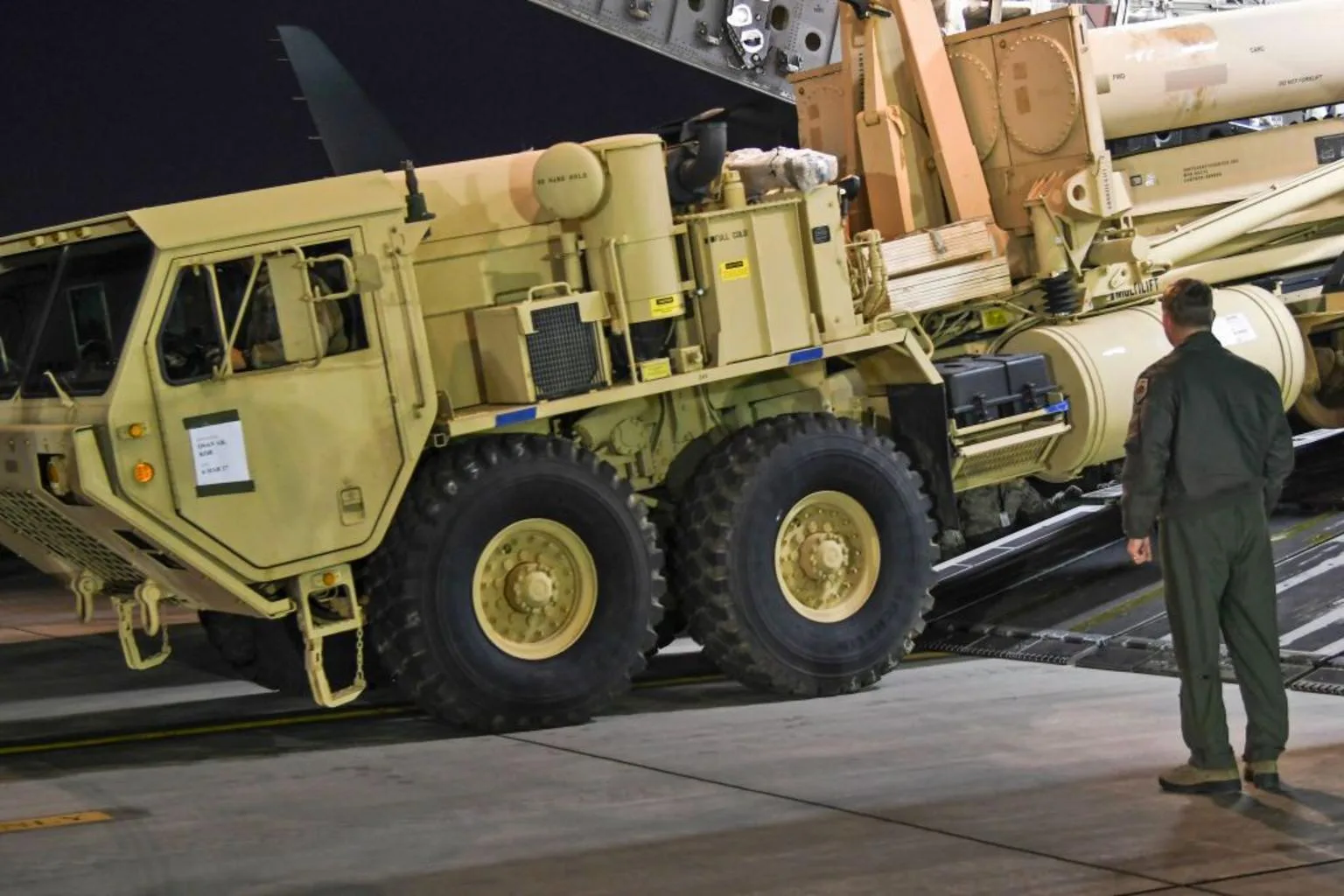
At the same time, CNN reports indicate that the shortage of long-range guided missiles and air defense interceptors has impacted the strategy of the war with Iran. The U.S. military has consumed nearly 80% of its THAAD interceptor stock, which could affect U.S. military capabilities in the future.
Casualties and Damage from the War
Reports also enumerate the damages inflicted on the U.S. fleet. This report mentions the destruction of four F-15 fighters, damage to one F-35 fighter, and the destruction of up to 30 MQ-9 Reaper drones. Additionally, the main logistics center of the U.S. Navy in Bahrain has been targeted by drone and ballistic missile attacks from Iran.
Hundreds of buildings and structures at U.S. bases in various countries, including Kuwait, Bahrain, Qatar, and Saudi Arabia, have been damaged or destroyed in these attacks. However, the costs resulting from these damages have not been accounted for in recent estimates, and it remains unclear whether all bases will be rebuilt or who will bear the costs.
According to this report, by June 30, seven U.S. servicemen were killed during operations, and 417 others were injured. These figures reflect the serious human consequences of the war and the challenges facing the United States and its forces.
Read more: Verbal clash between a UAE university professor and a Saudi analyst over the concept of big brother in the Persian Gulf · Trump: The war with Iran will end soon!