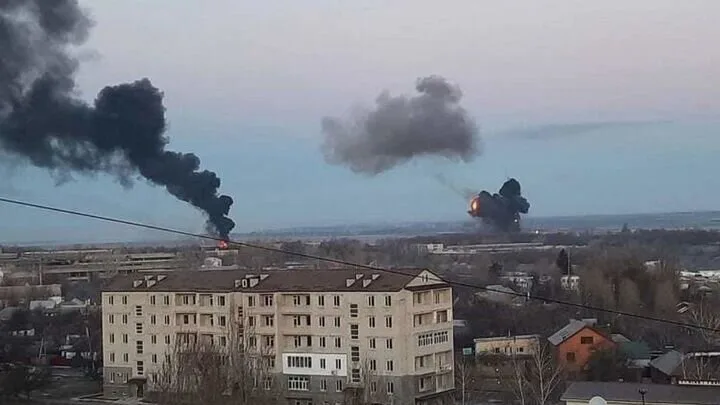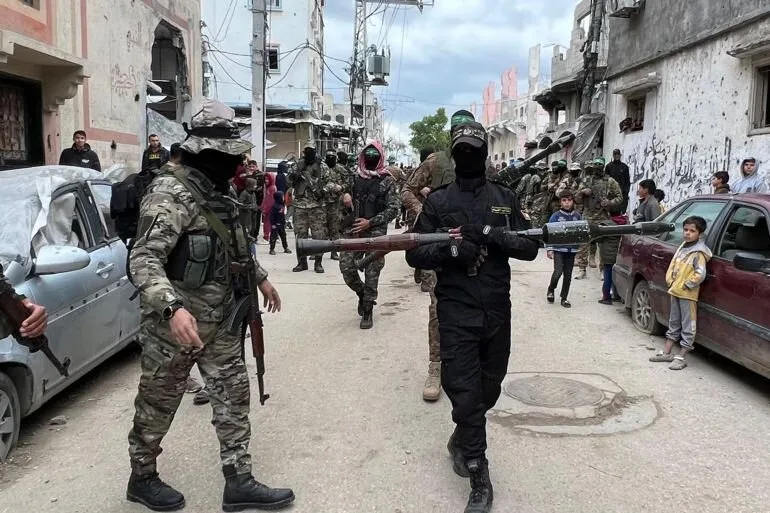
The U.S. is advancing a plan to collect Hamas weapons in Gaza, which has been initiated under pressure from the Trump administration. According to published information, the goal of this plan is to establish weapon delivery centers protected by the Israeli army. This action is taking place while bombings against Hamas continue, raising serious questions and obstacles to its implementation.
Operational Challenges of the Plan
The implementation of this plan faces multiple challenges. Especially given that the Gaza region is heavily bombarded and its security situation is highly unstable, establishing weapon delivery centers has become a dilemma. Meanwhile, Hamas, as a military and political group in Gaza, continues its activities and is likely to show serious resistance to this plan.
Read more: Marco Rubio and Historical Remembrance: From the Achaemenids to Modern Wars of America and Iran
Consequences of U.S. Policies
Advancing this plan could have significant consequences for the political and military situation in Gaza. If the weapon collection plan is successfully implemented, it may lead to changes in the balance of power in the region. On the other hand, this action could provoke severe reactions from Hamas and its supporters, increasing tensions in the area.
Moreover, similar plans in the past have also faced failure, and history shows that such actions are usually met with strong resistance from armed groups. Therefore, implementing this plan requires more precise coordination and planning to prevent new crises from arising.
Ultimately, this plan is seen as part of a broader strategy in the Middle East aimed at changing the power equations in the region. The U.S. is trying to create a basis for reducing tensions and establishing stability in the area by pressuring Hamas and other armed groups, but this path will not be straightforward.
Read more: Bernie Sanders: Trump is the Most Dangerous President in American History · North Korea Accuses the U.S. of Undermining National Sovereignty