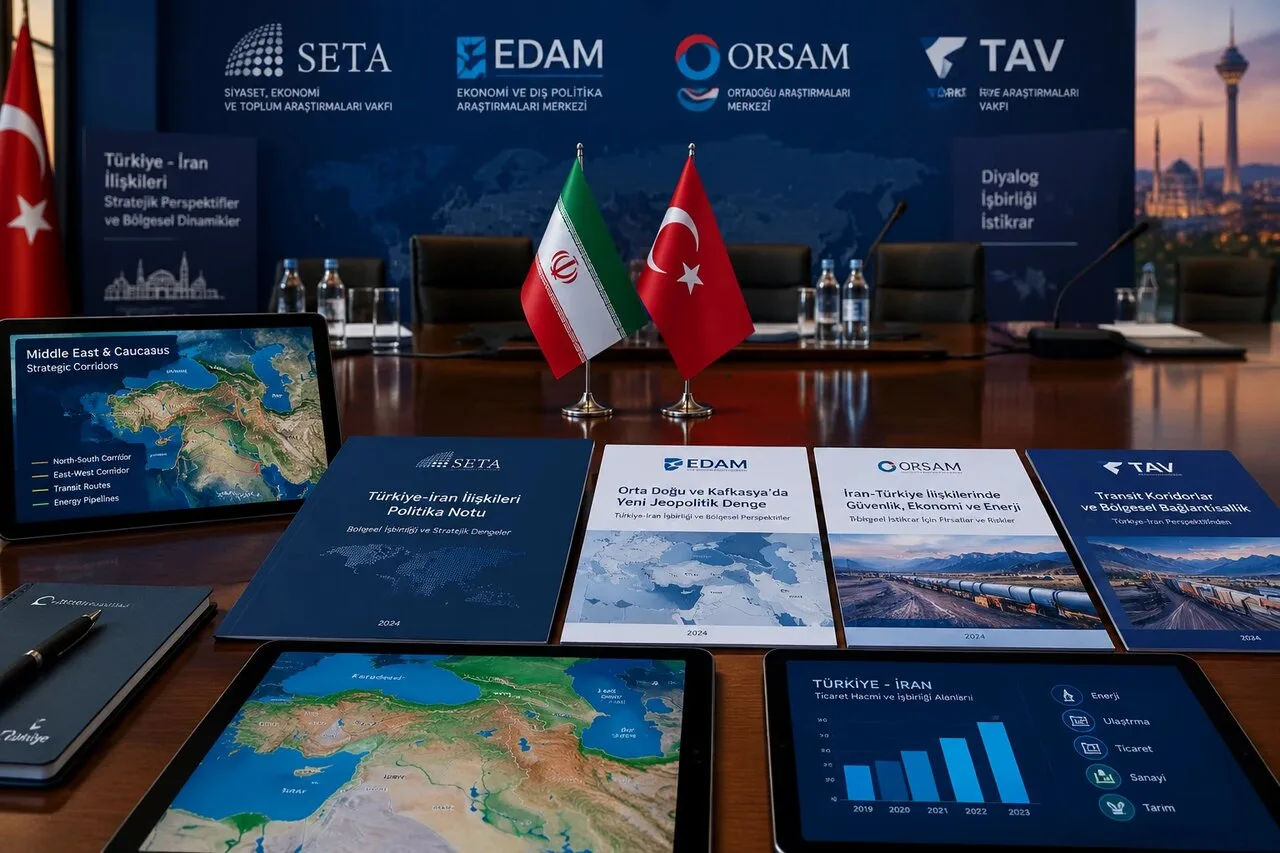
Iran is simultaneously a neighbor, geopolitical rival, and economic partner of Turkey, and this situation has led Turkish think tanks to explore their relations with Iran. As international pressures on Iran have increased, analyses in Ankara emphasize the necessity of preventing competition from turning into direct confrontation.
The Duality of a Weak and Collapsed Iran
Recent analyses from think tanks such as SETA and Türkiye Araştırmaları Vakfı indicate that Turkey does not desire a powerful Iran, but at the same time, assesses the instability or collapse of Iran as a greater threat. This duality is key to understanding Ankara's future policy towards Tehran. Will the intensification of the confrontation between the U.S. and the Zionist regime with Iran change this proposition? This is an important question currently being raised.
Read more: Riyadh on the Brink of 6 Costly Options Against Yemen
Turkey's concerns regarding Iran focus on issues such as the nuclear program, regional influence, and competition over energy and transit routes. In this context, think tanks have concluded that the ideal situation for Turkey is a weak but stable Iran that is prevented from collapsing.
Turkey's Policy of 'Active Neutrality'
Turkey's policy towards Iran is moving towards 'non-belligerence, containment, and diplomacy.' Ankara does not want to enter into a war with Iran, but it cannot remain indifferent to its developments. This approach is known as 'active neutrality' and allows Turkey to maneuver between the two countries.
The four main fields of competition between Iran and Turkey include Syria, Iraq, the Caucasus, and energy. In Syria, the change of government has been in favor of Turkey and to the detriment of Iran, leading to increased tensions. Additionally, Turkey continues to expand its influence in the South Caucasus and Iraq, while Iran is concerned about this expansion.
Considering the geopolitical changes, the future competition between Iran and Turkey is not defined solely in military terms. Analyses emphasize that competition will shift towards spheres of influence and a new security architecture. This point serves as a warning for Iran: if Tehran limits its relations to mere security issues, it may lose the competitive field in economic and transit areas.
Existing Challenges and Solutions
Currently, Turkey is seeking solutions to reduce tensions with Iran. Proposals include establishing permanent security channels for managing border incidents and separating disputes into different areas. This separation could help Turkey prevent all disputes from turning into bilateral confrontation.
Moreover, it seems that Turkey wants to position itself as a mediator and balancing actor in the region. In this regard, dialogue between Tehran and Ankara could also develop into broader regional arrangements.
Overall, Ankara does not desire a strong Iran, but it also fears its collapse. Therefore, creating stability in Iran and maintaining economic and security relations could be beneficial for both countries.
Read more: Greg Stanton: The 40-Day War Gave Pakistan an Opportunity to Play a Role in Regional Security · Iran's Drone Capability; Cost-Effective and Impactful Advantages