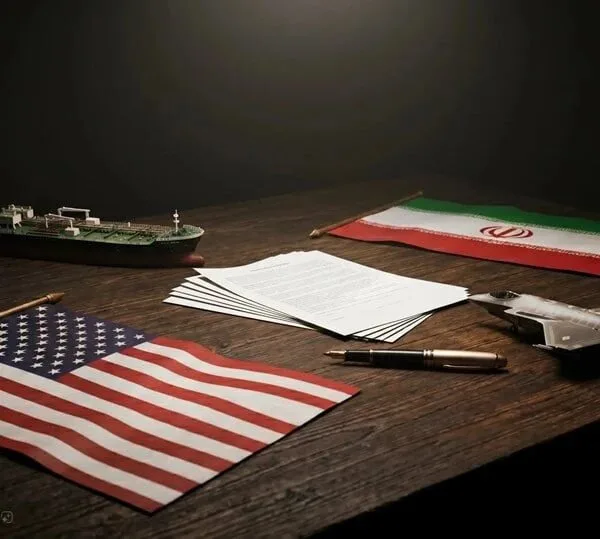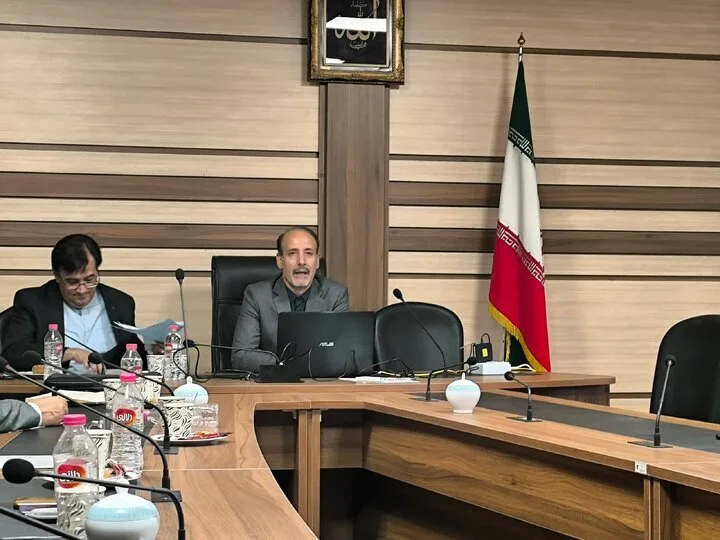
Greg Stanton, a regional affairs expert, in a new analysis stated that the recent 40-day war provided a golden opportunity for Pakistan to present itself as a security hub in the region. This war, which lasted for 40 days, created a significant shift in the power dynamics in this area and brought Pakistan from the margins to the center of attention.
Transforming Pakistan into a Peace Mediator
Stanton pointed out that prior to this war, Pakistan was recognized as a peripheral country in international relations, but now, by seizing this opportunity, it has been able to play the role of a peace mediator. This change in approach was not only beneficial for Pakistan but also for the entire region. Pakistan has now positioned itself as a country with shared interests with its neighboring countries.
Read more: Does the Mecca Agreement Drag Turkey into the Yemen War?
Security and Political Implications
This expert continued that recent developments in Pakistan could have profound security and political implications for the region. Given Pakistan's geographical position and its relations with neighboring countries, it can act as a bridge and mediator in resolving crises and tensions. This could lead to enhanced stability and security in the region while also benefiting Pakistan's economic interests.
Stanton also noted that for Pakistan, this new position requires smart policies and careful management. The country must manage its relations with major powers and its neighbors carefully to make the best use of this opportunity.
Ultimately, this analysis shows that the 40-day war was not only a military crisis but also a turning point in the history of Pakistan's international relations. Greg Stanton emphasized the importance of these developments and expects that Pakistan, by utilizing this opportunity, will become a key player in the realm of regional security and diplomacy.
Read more: Riyadh on the Brink of 6 Costly Options Against Yemen · Ban on Accepting Afghan Students in Pakistan: Crisis Intensifying