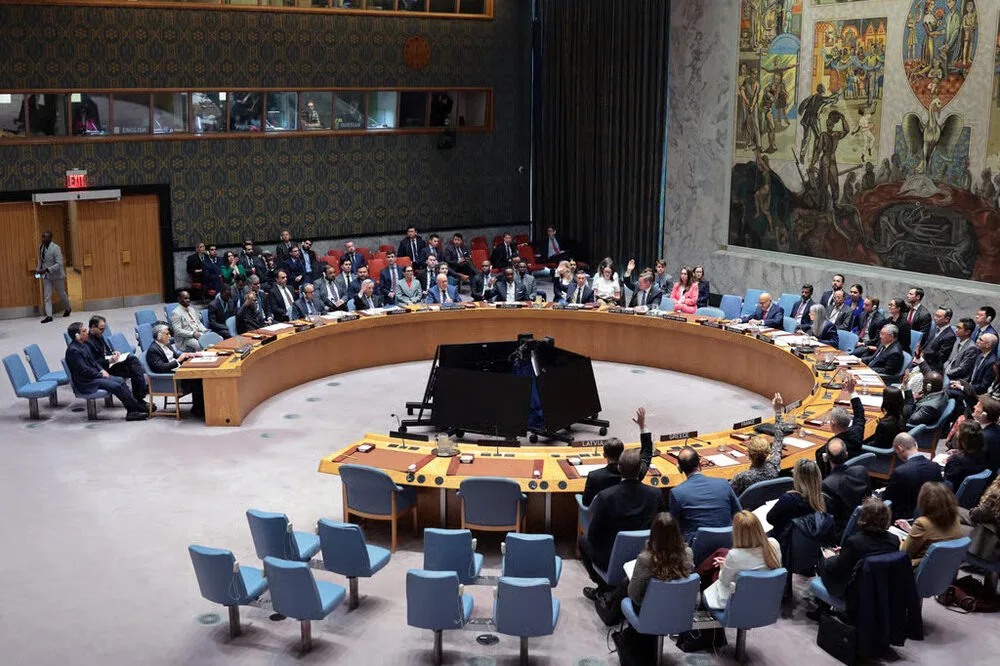
The United Nations Security Council decided by consensus to extend economic and military sanctions against Sudan for another two months. This action was taken in response to ongoing concerns about the human rights situation and its continuous violations in the country. The sanctions, which have been in place for years due to internal crises and political tensions in Sudan, continue to be viewed as a tool to pressure the government and improve humanitarian conditions.
Reasons for Extending Sanctions
The development of humanitarian crises and political unrest in Sudan prompted the Security Council to extend the sanctions. UN officials have warned of increasing violence and human rights violations in the country. In recent years, Sudan has faced multiple challenges, including internal wars, insecurity, and economic crises. These sanctions are designed to increase pressure on the Sudanese government to adhere to its international commitments regarding human rights and security.
Read more: Trump's Order to Review Options for Attacking Iran Before Elections
Impact of Sanctions on the People of Sudan
Despite these sanctions, the people of Sudan are severely affected by economic and social crises. Many families in the country face serious livelihood issues, and access to essential goods and public services has been limited. Critics of the sanctions believe that these measures have impacted ordinary people's daily lives more than putting pressure on the government, placing them in difficult conditions.
On the other hand, some analysts believe that these sanctions could serve as an effective tool to compel the government to engage in dialogue and political reforms. In this context, the Security Council has emphasized the need to continue monitoring the situation in Sudan and has stated that if positive changes do not occur, there is a possibility of extending the sanctions again.
Future Outlook for Sudan
Currently, the future of Sudan remains shrouded in uncertainty. Despite the sanctions and international pressures, the Sudanese government must respond to internal challenges and the needs of its people. The international community must also closely monitor future trends in the country and support any positive actions.
Ultimately, the Security Council sanctions, alongside other efforts, could help improve the human rights situation and create a conducive environment for dialogue and reforms in Sudan. The country requires international cooperation and support from the global community to emerge from its existing crises.
Read more: Eisenkot Seeks to Negotiate with Syria to Develop the 1974 Agreement · The Need for Accountability from the Canadian Government Regarding the Fate of Indigenous Children and Unmarked Graves