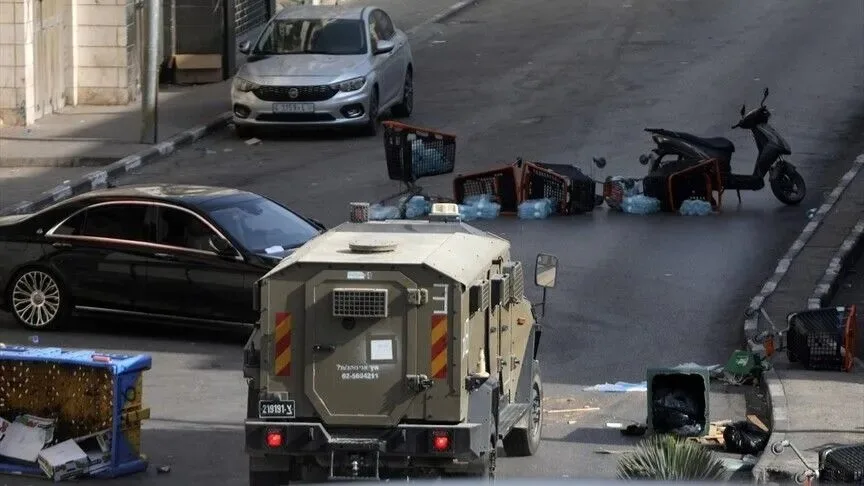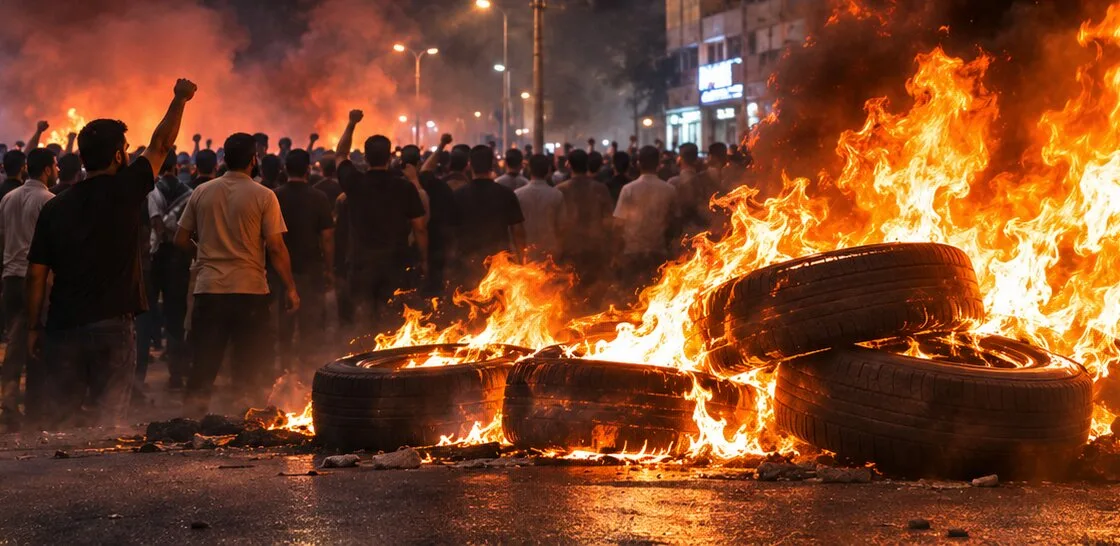
The people of Kirkuk, one of the important cities in Iraq, took to the streets in recent days to protest against the increase in the rates of electricity for home generators, holding widespread protests against this decision. These gatherings, which involved blocking main roads and burning tires, demonstrate the deep dissatisfaction of citizens with their living and economic conditions.
Reasons for the Increase in Electricity Tariffs
The increase in electricity tariffs in Iraq is attributed to various reasons. One of the main reasons is the economic crisis and the lack of financial resources in the country. The Iraqi government is trying to improve the country's financial situation by reducing expenses and increasing revenues. However, these decisions have led to public dissatisfaction instead of improvement.
Read more: The likelihood of Mike Pence running in the 2028 elections has increased
Public Reactions and Their Consequences
The public protests in Kirkuk quickly spread to other cities in Iraq, indicating that the people are no longer willing to endure difficult economic conditions. Protesters, by blocking streets and holding gatherings, made their voices heard by the authorities. These protests could have serious consequences for the Iraqi government, as public dissatisfaction can lead to political and social changes.
While the Iraqi government has promised reforms, it seems that the people currently do not trust these promises and are demanding immediate action to improve their living conditions. The protests in Kirkuk not only reflect dissatisfaction with the new tariffs but also symbolize the overall discontent of the people with the country's economic situation.
Read more: Explosion and warning sirens in the cities of Taif, Abha, and Khamis Mushait, Saudi Arabia · Iraq on the path to strengthening air defense with new systems