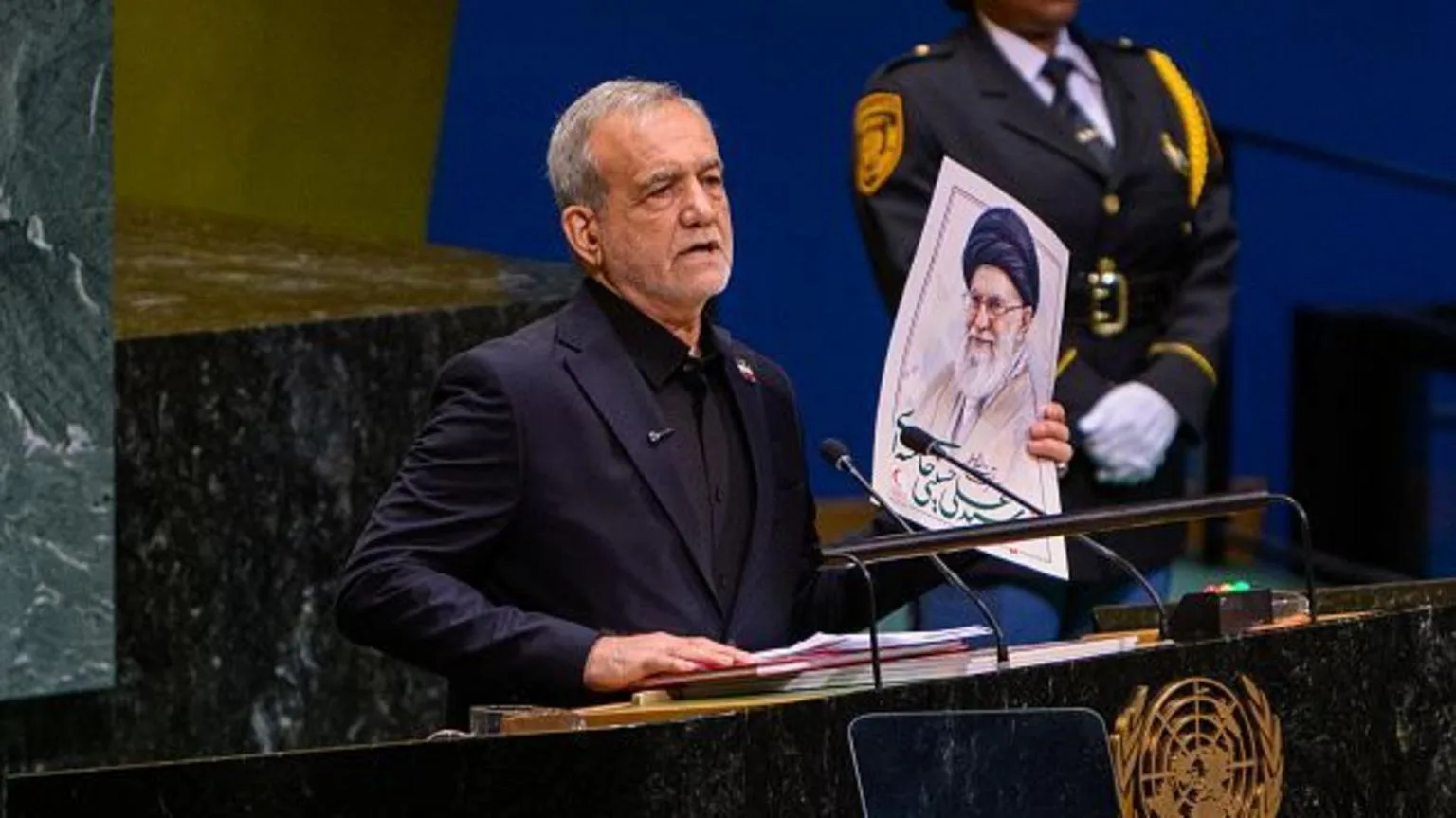
The apparently indirect talks between Iranian and American delegations during Masoud Pezeshkian's trip to New York occurred under conditions where there was no information about the position of the Leader of the Islamic Republic regarding the negotiations.
The Leader's Silence and Ambiguities in Positions
In the more than three weeks leading up to the Iranian President's trip, apart from a condolence message, no other message attributed to Mojtaba Khamenei was published. On the day of the trip, a general message was released on the occasion of the start of the school year, which did not refer to recent crises or the country's problems in general. In fact, the last message from the Leader regarding these issues was the text from September 6 on the occasion of 'Government Week,' which warned officials against 'honestly expressing weaknesses.'
Read more: The Tomb of the Unknown Martyrs in Shaqayeq Park, Tehran, Unveiled
There is disagreement about the process through which messages attributed to Mojtaba Khamenei are produced or how much he contributes to the texts. However, the importance of this issue at different times and the type of positions announced is undeniable.
Impacts on the Economy and Senior Military Officials
On the eve of Masoud Pezeshkian's trip, knowledge of the views of the highest-ranking official in the government had become more significant, especially due to the devastating effects of the U.S. maritime blockade on the Iranian economy and some unexpected positions from senior military officials regarding the 'revival of the Islamabad Agreement' between Iran and the U.S. Positions from individuals such as Yadollah Javani, the political deputy, and Hossein Mohibi, the spokesperson for the IRGC, emphasized the necessity of returning to the agreement.
Mohsen Rezaei, the Secretary of the Supreme National Security Council, called for the 'implementation of the terms of the agreement' by the U.S. These positions are significant because the Islamabad Agreement had previously been heavily criticized by powerful factions within the Iranian government.
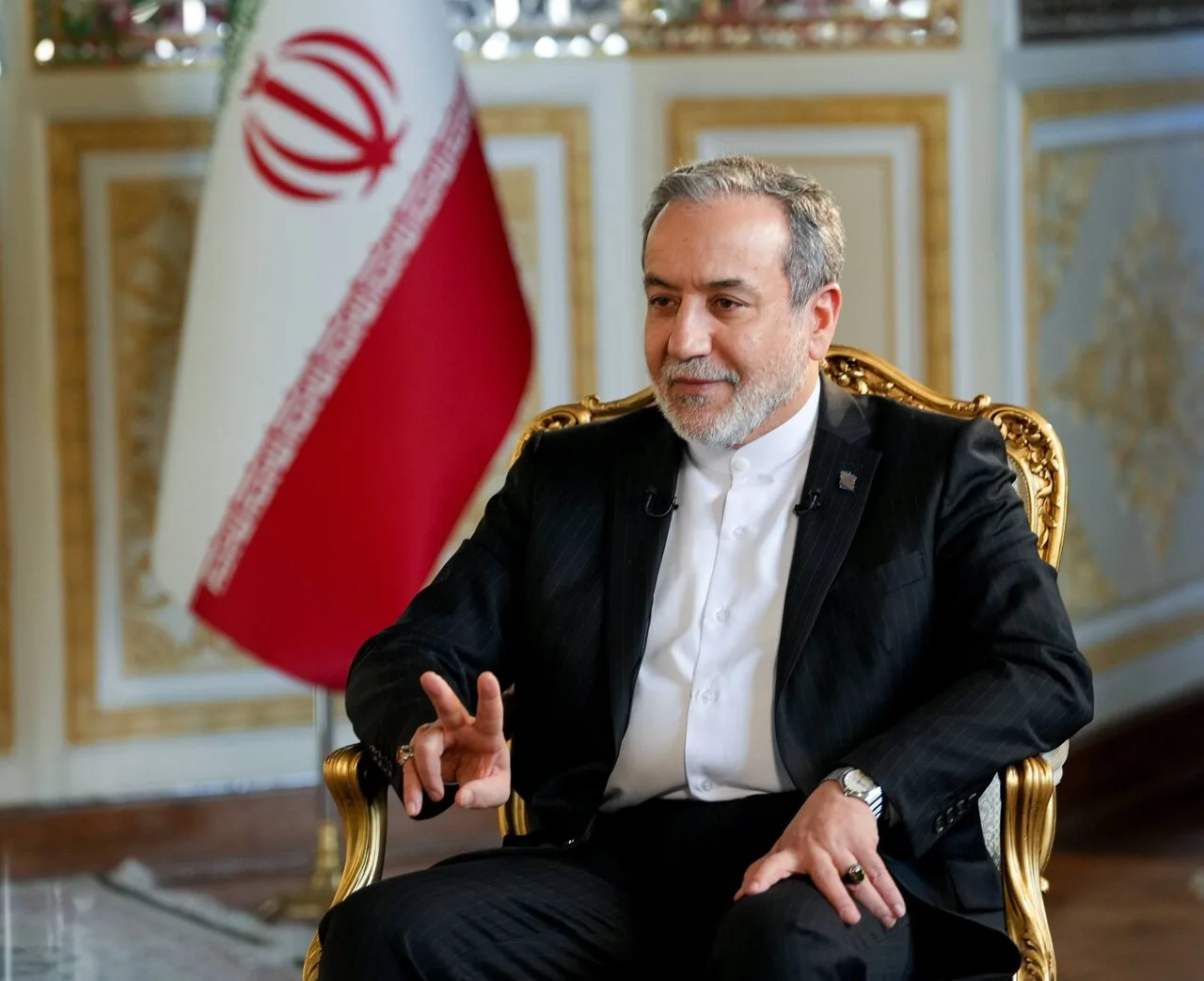
After the New York negotiations, official media criticized the Foreign Minister, and these criticisms could indicate the existence of differing opinions at various levels of the government. Yahya Rahim Safavi, the senior advisor to the Commander-in-Chief, stated: 'The Leader of the Revolution deemed it appropriate and left the government's hands open in negotiations.'
Given past experiences, the question arises whether the recent talks will also turn into a similar experience to the approval and subsequent invalidation of the Islamabad Agreement? The international community will remain confused in understanding the positions of diplomats and the government.
Ultimately, the position of the Leader of the Islamic Republic, as the final decision-maker, seems to play a key role in strategic decisions and may prevent the implementation of any decision whenever he deems it appropriate.
Read more: The Family of the Rahimi Sisters Requested Help from the United Nations · Guo Jiakun: The U.S. and Iran Must Choose the Path of Peace