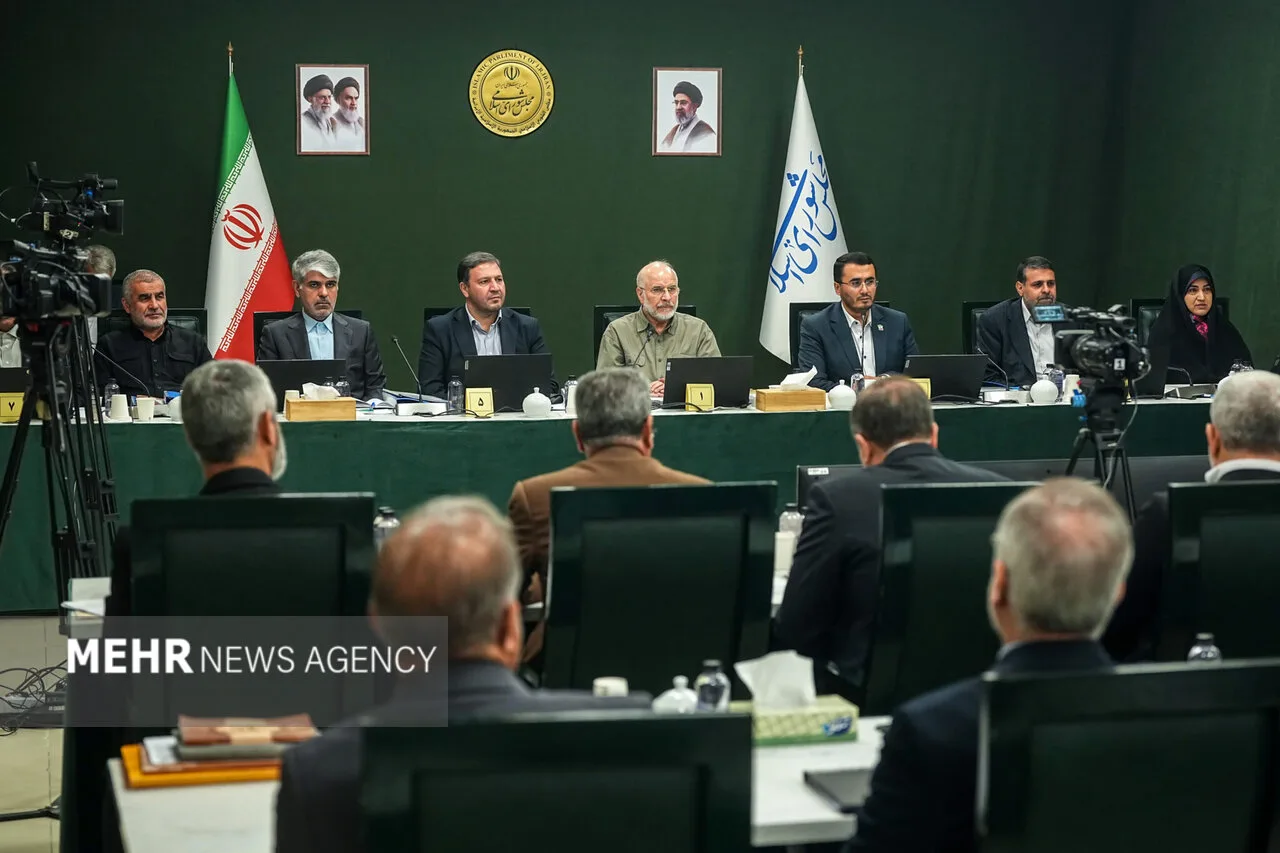
In today's open session, the Islamic Consultative Assembly approved amendments to Article 23 of the bill to combat foreign infiltration, which precisely defines the penalty for illegal residency of foreign nationals in Iran. This decision particularly emphasizes the necessity of adhering to residency laws and regulations in the country and may have significant impacts on the status of foreign nationals in Iran.
Details of the Penalty for Illegal Residency
According to this resolution, the entry or illegal residency of foreign nationals not resulting from a valid excuse or delays in administrative processes for extending permits will, in addition to biometric data registration, result in expulsion from the country and a fine of up to 10,000 euros. This fine will be determined at the discretion of the judicial authority and can serve as a measure of the financial capability of the violators.
Read more: The Red Crescent is on alert for heavy rainfall and flooding in four provinces
Additionally, foreign nationals who have entered the country legally will also be subject to expulsion and fines if they engage in any actions against national security or violate public order. These factors may include engaging in activities that contradict the type and restrictions outlined in their residency permits and visas.
Legal and Social Consequences
The penalties established for illegal residency are considered an important step towards maintaining security and public order in the country. However, this resolution may have social and economic repercussions for foreign nationals who legally reside in Iran. For instance, some of these individuals may mistakenly fall into this category of penalties due to financial difficulties or lack of awareness of the new laws.
In the note of this article, it is mentioned that if a foreign national commits another punitive crime within the territory of Iran, their penalty will be increased by one degree. This may indicate the serious determination of authorities to combat crimes and violations related to foreign nationals while simultaneously highlighting the necessity of educating and informing these individuals.
Ultimately, the approval of this law poses a challenge for foreign nationals in Iran and requires continuous monitoring and follow-up by responsible institutions to ensure that, while maintaining order and security, the human rights of these individuals are also taken into account.
Read more: Ghalibaf: The Iranian nation will not surrender to American threats · Iraqi Islamic Resistance reports violation of its airspace by 17 aircraft