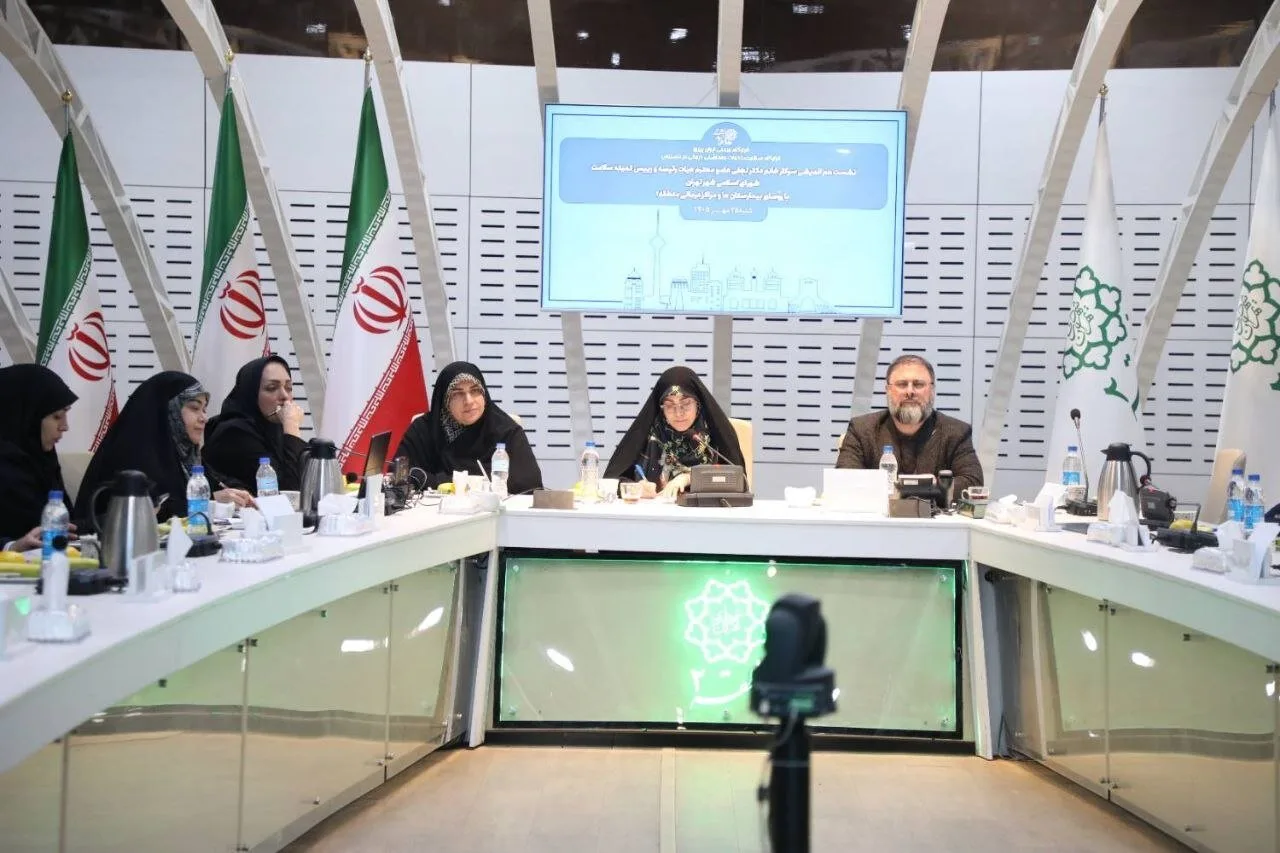
Soudeh Najafi, the head of the Health Committee of the Islamic Council of Tehran, emphasized the importance of identifying and addressing the problems of healthcare centers in a brainstorming session with the directors of hospitals and healthcare centers in District 2 of Tehran. She stated that the formation of a joint committee with urban management could facilitate the continuous follow-up of issues and strengthen collaborations in the health sector.
Appreciation for the Efforts of Healthcare Staff
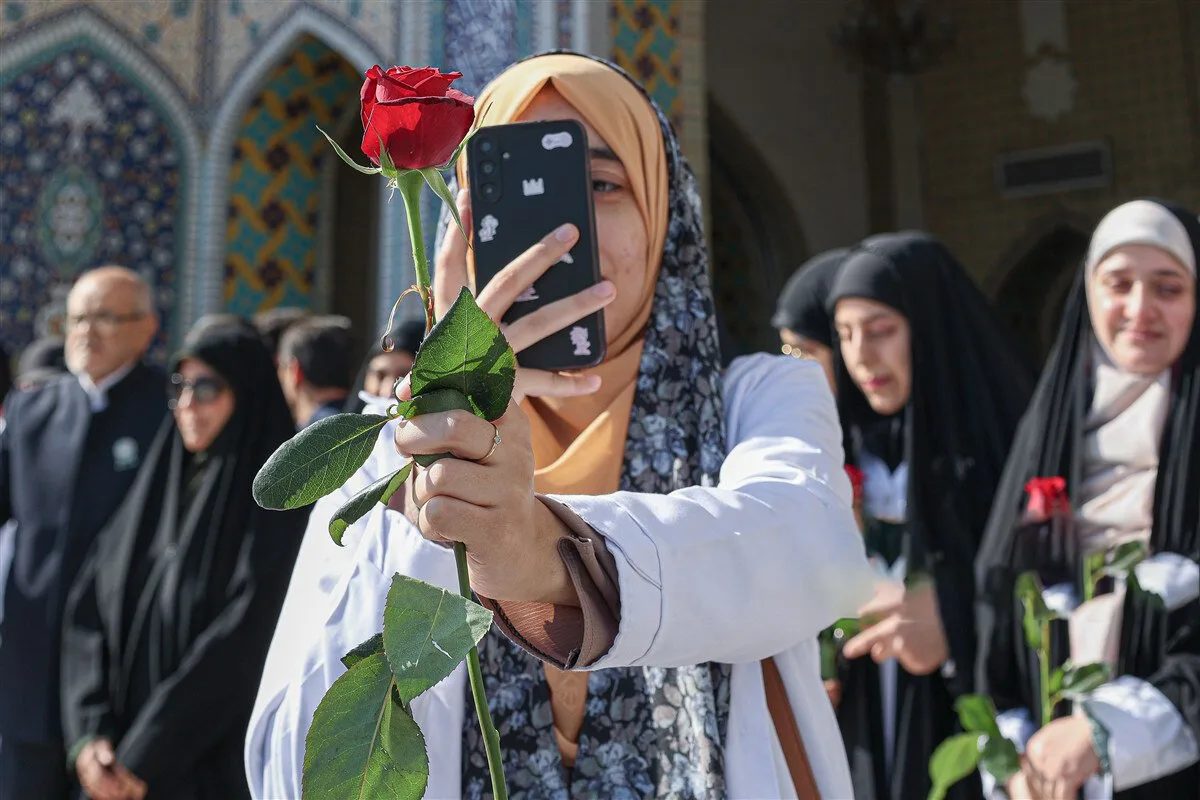
Najafi, during this session attended by the mayor of District 2 and a number of urban managers, congratulated the birth of Hazrat Zainab (SA) and Nurse's Day, and appreciated the tireless efforts of healthcare staff during various crises, including the COVID-19 pandemic and imposed wars. She stated: "Health defenders in difficult times have shown through their selflessness and sacrifice that serving the people and maintaining the health of the community is one of the most valuable responsibilities."
Read more: Sleep and Mental Health: An Indissoluble Bond in Human Life
The Necessity of Collaboration and Joint Decision-Making
Najafi, referring to her background in the healthcare sector and experience in clinical fields, stated: "Since the beginning of the sixth term of the Islamic Council of Tehran, we have been working in the Health Committee to identify and address health issues in different areas of the city by holding specialized meetings and field visits."
She emphasized the necessity of stakeholder participation in urban decision-making, saying: "Effective policymaking is realized when elites, specialists, and non-governmental organizations are involved in the decision-making process." Therefore, holding direct meetings with hospital directors is an opportunity to present problems in the presence of urban managers and examine their practical solutions.
Najafi also referred to the special status of District 2 in the healthcare sector, stating: "This district, due to the presence of public, private, and social security hospitals, is considered one of the important and influential areas in providing health services, and its issues need to be pursued with special attention."
Traffic Problems and the Need for Re-engineering
The head of the Health Committee of the Islamic Council of Tehran identified one of the fundamental challenges facing hospitals in District 2 as traffic problems and a lack of parking. She noted: "The high traffic in this area and the extensive visits of citizens to healthcare centers have made the need for traffic re-engineering of the roads surrounding the hospitals even more pressing."
Najafi emphasized that the problems of each hospital need to be examined specifically, and with the cooperation of the district municipality and the Transportation and Traffic Department of Tehran Municipality, appropriate solutions should be provided to reduce traffic congestion and facilitate access for patients and their companions.
Safety and Crisis Management in Healthcare Centers
Najafi also stressed the importance of safety in healthcare buildings, adding: "Hospitals must be able to continue providing services during crises and even assist victims; therefore, safety deficiencies in these centers can have serious consequences." She called for an examination of safety issues and non-military defense in hospitals with the presence of representatives from responsible agencies, including the fire department and crisis management.
In conclusion, Najafi referred to the issue of nurse and healthcare staff migration, urging the Ministry of Health and the government to find solutions for this challenge and stated that urban management can enhance the welfare facilities and facilitate access for healthcare staff to urban services within its limitations.
Read more: Tomato Soup; A Warm Remedy for Cold and Lethargic Days · Migration of More than 10,000 Graduates from Tehran University of Medical Sciences