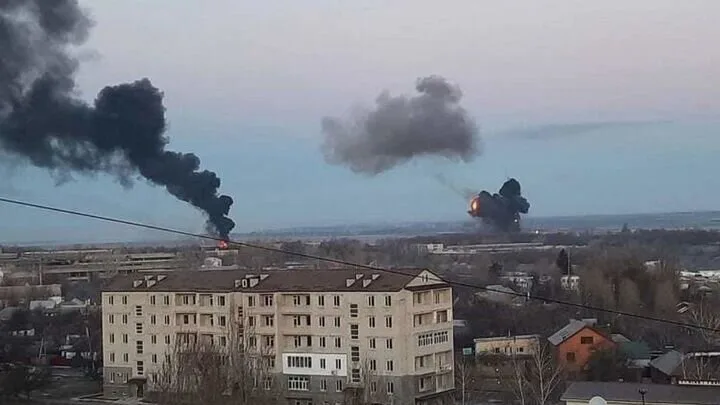
The likelihood of ISIS's resurgence with the movements of hidden cells in Iraq has become a serious security concern. While operations to stabilize the security situation in Iraq continue by the Popular Mobilization Forces and other security forces across the country, terrorist hidden cells have intensified their activities due to security gaps in remote areas, especially in the provinces of Kirkuk, Salah al-Din, and Nineveh.
Security Gaps and New Threats
In recent weeks, following the official withdrawal of the last American troops from Iraqi soil, security concerns in border and remote areas have accelerated. The presence of mountains, valleys, and vast agricultural lands allows ISIS's hidden cells to easily move their forces and weapons and remain ambushed against security forces. These threats are particularly evident in areas such as Hawija and other remote locations.
Read more: Rubico and the Effort to Turn the War Against Iran into a Clash of Civilizations
Security commanders have also pointed to the mountainous nature of these areas, describing them as the most susceptible points for exploitation by ISIS elements. Major General Rakan Maad Badai, commander of the Kirkuk Operations Unit of the Iraqi Army, announced that in one of the operations, one of the ISIS terrorist elements was killed, and unfortunately, one security personnel also lost their life.
Iraqi Government's Economic Efforts
Alongside security challenges, the government of Ali Falah al-Zaydi is also striving to reduce Iraq's economic dependence on the US dollar. Mazhar Muhammad Salih, financial advisor to the Prime Minister of Iraq, announced important measures to regulate markets and curb price increases. Aqeel Al-Mohammadi, an economic expert, emphasized that Iraqi traders can no longer bear the financial burden of recent decisions due to economic crises and pressures from central bank policies.
Simultaneously with these developments, the Ministry of Transport also announced that after the conclusion of the no-fly zone issue on September 18, 2026, the volume of flights passing through Iraqi airspace has increased by 31 percent. This increase could help improve Iraq's economic situation, while the financial costs of establishing three new ministries in the country are estimated to be between 350 to 500 billion Iraqi dinars.
Ultimately, the movements of ISIS's hidden cells and the economic efforts of the Iraqi government reflect the complex challenges this country faces. While security forces strive to establish stability, the government must also address the economic measures to improve the living conditions of citizens.
Read more: Missile Attacks on Riyadh Airport Claim the Life of an American Citizen · The Killer of Martyr Lieutenant Third Reza Ehtirami has been Executed