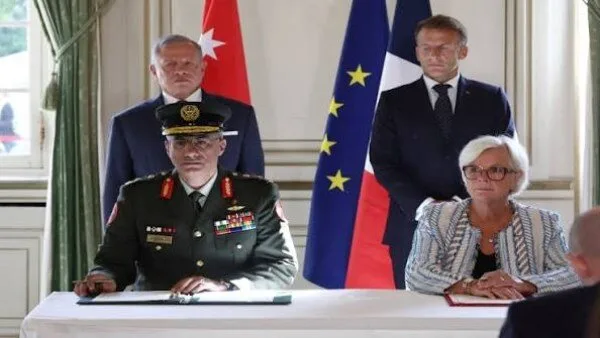
The King of Jordan announced today (Thursday) the signing of a defense cooperation agreement with France. This agreement, which was signed following multiple meetings between officials of the two countries, aims to strengthen military and defense relations between Jordan and France.
Details of the Agreement
The defense cooperation agreement between Jordan and France includes several aspects such as the exchange of military information, cooperation in training areas, and conducting joint exercises. King Abdullah II of Jordan stated at the signing ceremony that this action demonstrates the serious determination of both countries to enhance cooperation in the field of security and defense.
Read more: Saudi Arabia Requests Help from Allies to Strengthen Air Defense
Implications of the Agreement for the Region
This agreement is not limited to strengthening the relations between the two countries but could also have broader implications for regional security. Given the existing security challenges in the Middle East, including terrorist threats and sectarian tensions, military cooperation among regional countries and global powers could play a significant role in establishing stability.
France, as one of the major military and political powers in Europe, has always sought to expand its influence in the Middle East. This agreement allows France to be recognized as a reliable partner for Jordan and other Arab countries, helping to strengthen its position in the region.
At the same time, the King of Jordan is also striving to enhance his country's internal security and prevent external threats by signing this agreement. Jordan, which has faced multiple crises in recent years, including Syrian refugees and the activities of terrorist groups, is looking to increase its defensive capabilities and improve relations with allied countries.
Outlook for Future Cooperation
Given the importance of this agreement, it seems that defense cooperation between Jordan and France will soon expand. Officials from both countries are seeking to hold periodic meetings to review the progress of cooperation and exchange views on common challenges. This process could create a sustainable cooperation model among Middle Eastern countries and global powers.
Ultimately, the signing of this agreement can be seen as a positive sign of the two countries' willingness to strengthen security and stability in the region. Military and defense cooperation could lead to the formation of a stronger coalition against common threats and contribute to establishing peace and tranquility in the Middle East.
Read more: India's Ministry of External Affairs Warns About New Tariffs on Russian Oil to the U.S. · North Korea's Deputy Defense Minister: The U.S. is Seeking a Nuclear Coalition in Asia