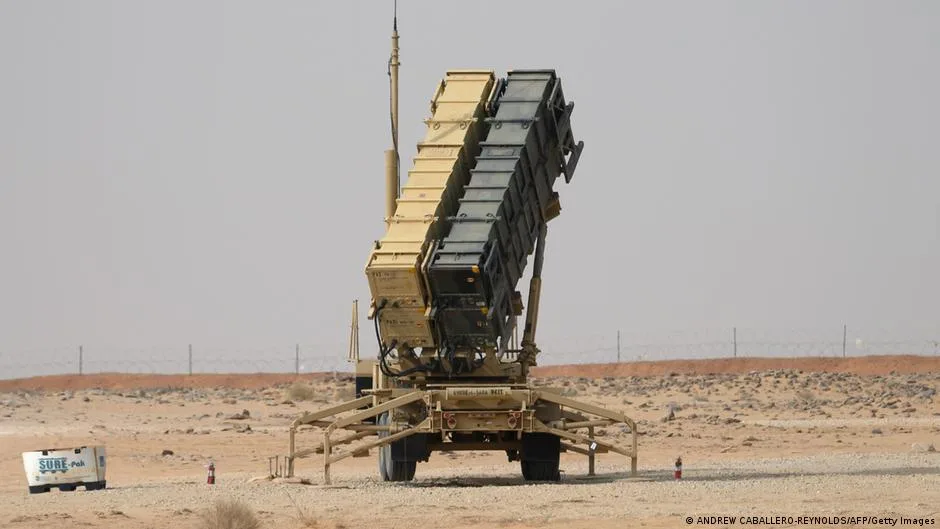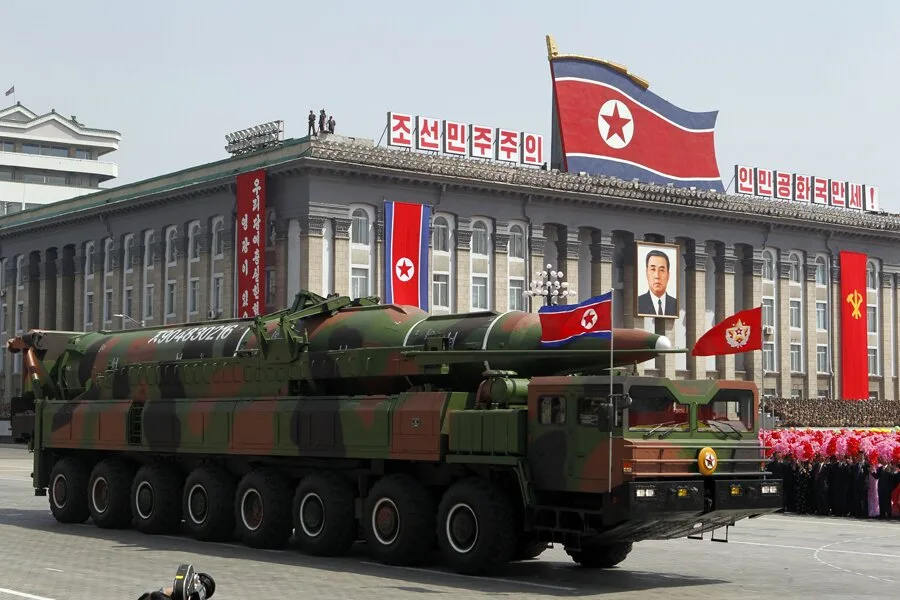
The North Korean Deputy Defense Minister, at a press conference, strongly criticized the expansion of U.S. military presence in Asia and its efforts to form a nuclear coalition with South Korea and Japan. This North Korean official emphasized that his country will continue to develop and strengthen its nuclear arsenal and that nuclear disarmament is no longer possible.
North Korea's Response to U.S. Military Movements
The North Korean Deputy Defense Minister stated: "The U.S. is seeking to create a nuclear coalition in the region, which not only threatens the security of Asia but also global security." These remarks come as the United States continues its military collaborations with South Korea and Japan, regularly conducting joint exercises.
Development of Pyongyang's Nuclear Arsenal
The North Korean Deputy Defense Minister also stated that his country's nuclear programs are currently a priority and that the country will seek to strengthen its defense capabilities. He added: "Nuclear disarmament of North Korea is no longer possible, and we will defend our national security at all costs." These statements reflect Pyongyang's commitment to its nuclear programs in the face of international pressures.
These developments occur amid rising tensions on the Korean Peninsula due to North Korea's nuclear and missile tests. South Korea and the United States continuously respond to North Korean military movements and have strengthened their military cooperation in this regard.
Security and Political Consequences
The recent movements of the United States and the statements from North Korean officials could have serious implications for regional security. Experts believe that this situation could lead to increased tensions and overshadow the future of nuclear negotiations. At the same time, this situation could also affect relations between China and the United States, especially as China is recognized as one of North Korea's main supporters.
Ultimately, it seems that North Korea, through such statements and decisions, is seeking to create a balance against major powers and maintain its national security in a complex geopolitical environment. Given recent developments, it appears that the future of security in Asia, particularly on the Korean Peninsula, will continue to face serious challenges.