Iran is seeking an official response from the United States to its plan for reopening the Strait of Hormuz and ending the war in the Middle East. This comes as reports indicate that Donald Trump, the President of the United States, has rejected the agreement.
Iran's plan to end the war
Iran presented this diplomatic initiative at the United Nations General Assembly in New York and announced that the plan has been conveyed to the Americans through mediation by Qatar. The goal of this plan is to reopen the Strait of Hormuz and end the conflicts in the region within seven days.
Read more: Deadly bus overturn on the Hamadan-Saveh highway with 11 dead
However, Trump is skeptical about this proposal and has told his staff to expect new airstrikes after the midterm elections in November. An American official had previously stated that negotiations with Iran through intermediaries have been "positive and constructive."
Iran's conditions for negotiations
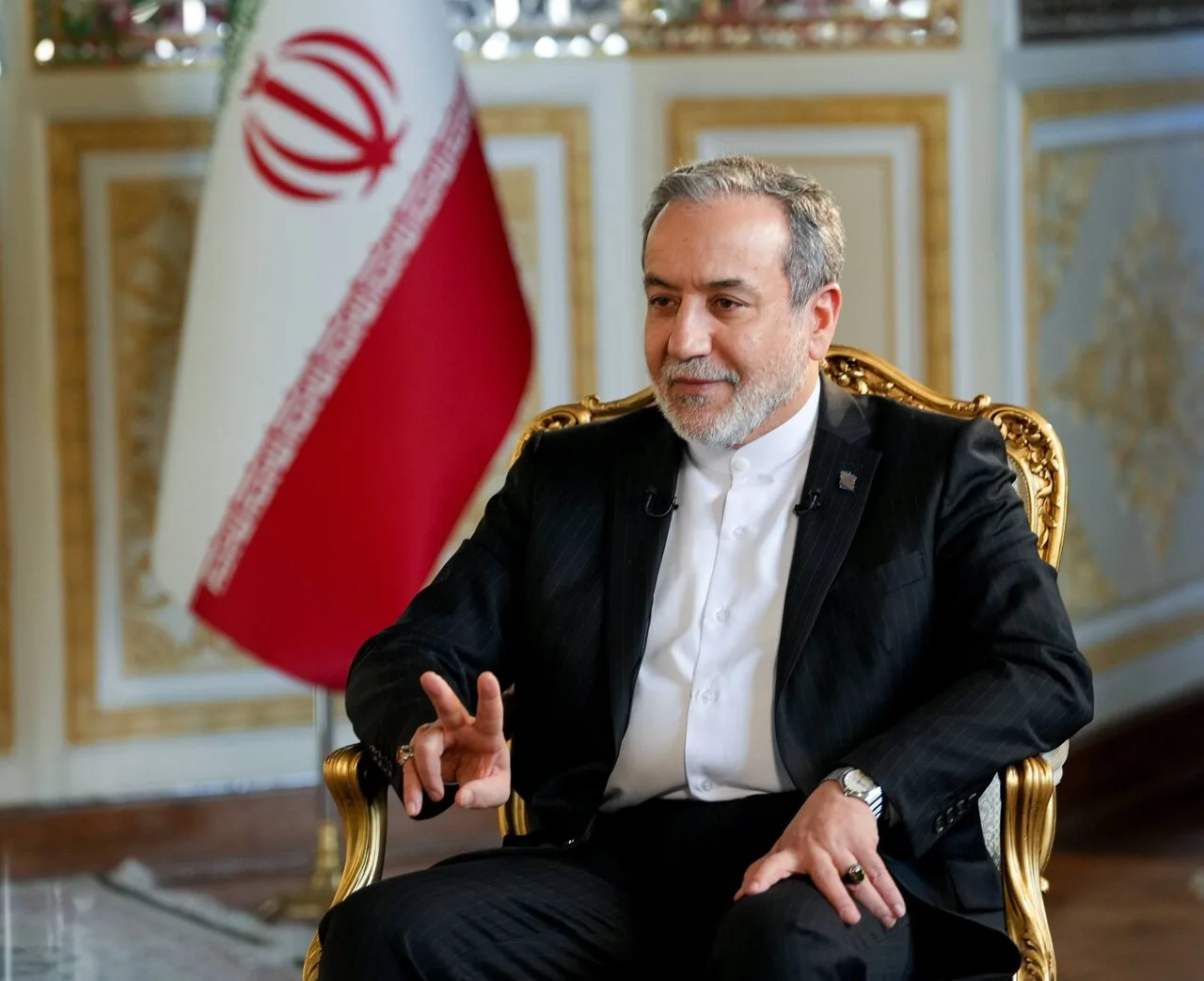
Iran has stated that it is ready to reopen the Strait of Hormuz and resume its negotiations regarding the nuclear program if the maritime blockade of Iranian ports is lifted, sanctions on Iranian oil sales are not imposed, and a ceasefire that includes Lebanon is respected. Abbas Araghchi, Iran's Foreign Minister, outlined the details of this proposal at a press conference outside the United Nations Security Council, stating that the seven-day timeline will begin as soon as this plan is accepted by the United States.
Araghchi also noted that the initial stages of this plan would take about four to five days, and the strait would be opened on the sixth day. According to him, "On the seventh day, negotiations with the United States for a final agreement on the agreed-upon issues will begin." He emphasized that if the United States is serious, everything is ready.
Iran has also been in contact with its Saudi rivals regarding the Strait of Hormuz, as this seven-month conflict has significantly impacted oil flows in one of the most important global transport routes and has harmed the global economy.
Masoud Pezeshkian, the President of Iran, stated in an interview with CBS's Face the Nation that Tehran is ready to discuss the nuclear program and other issues, but is not willing to accept "bullying or coercion." He emphasized that "Iran is not seeking war, but will defend itself against pressures, threats, and attacks," adding that Iran has agreed that "we should not develop nuclear weapons."
Previous diplomatic efforts to end the war, which began on February 28 with U.S. and Israeli attacks, have failed. Since then, the war has fluctuated between pauses and new attacks, claiming thousands of lives and weakening Iran's conventional forces, damaging its already troubled economy.
Trump had previously stated that he is in no rush to reach an agreement, even as high oil prices exacerbate inflation. On the Iranian side, there are also questions about whether hardliners who dominate the security forces will respond to the compromises proposed by moderates like Pezeshkian.
Diplomatic efforts surrounding the United Nations General Assembly highlighted the global dimensions of this conflict, which has disrupted oil flows through one of the most important global transport routes and involved regional and global powers.
On Saturday morning, the Saudi-led coalition in Yemen announced that it intercepted two drones launched by Iran-backed Houthis towards the Saudi capital, Riyadh. Additionally, Iran-aligned militants in Iraq have been accused of attacking a pipeline that temporarily took some Saudi oil off the market. Meanwhile, Iran-backed Hezbollah in Lebanon is engaged in conflict with Israeli forces.
Read more: The IRGC's firm message to the U.S.: Iran is victorious on the battlefield with martyrdom · The health status of Ayatollah Seyyed Mojtaba Khamenei in a conversation with the President