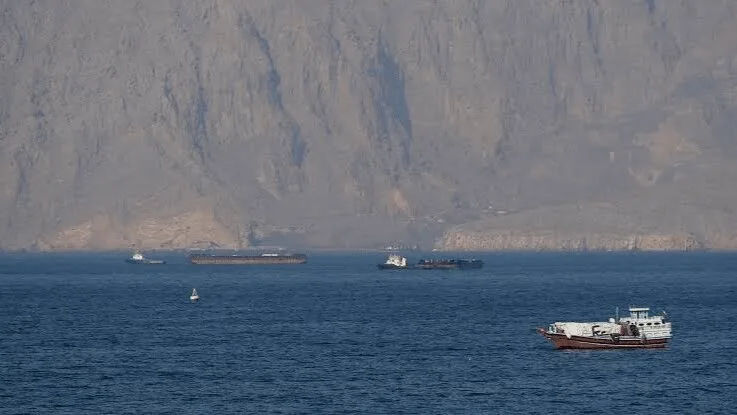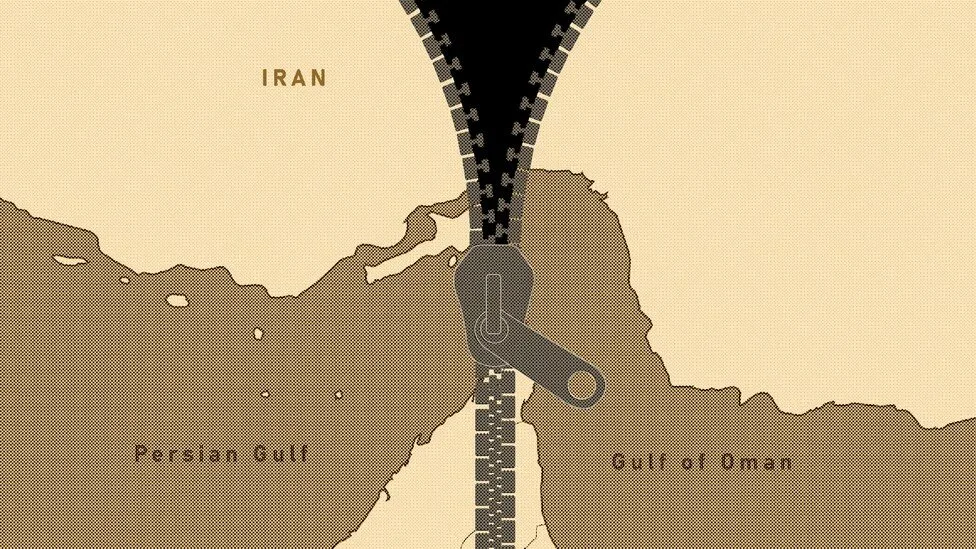
The stalemate of the Iran-U.S. war may quickly turn into a new normal in the Middle East; a situation in which Tehran continuously keeps its rivals in a state of concern and insecurity using missiles, drones, and its regional proxy forces.
Impact of War on Regional Security
Jason Campbell, country director for Afghanistan at the U.S. Department of Defense from 2016 to 2018 and one of the authors of the Middle East Institute report, stated that Iran, in the medium term, seems more interested in imposing costs on neighboring countries and the military presence of the U.S. in the region than seeking any kind of lasting agreement. He emphasized that what I see in the future is the absence of a definitive solution; a permanent situation in which Iran uses its asymmetric capabilities as a tool for deterrence and, to be blunt, for extortion throughout the region.
Read more: Elections in the Occupied Territories and the Challenges of Benjamin Netanyahu
Campbell added that even the advanced air defense systems provided by the U.S. to its allies have not been able to eliminate Iran's ability to inflict damage whenever it wants. Although most of Iran's missiles and drones may be intercepted, the few that get through the defenses can create widespread chaos and reveal a clear gap in the U.S. security umbrella in the region.
Future Outlook and Washington's Decisions
Campbell referred to Washington's assumptions and suggested that they reread the U.S. National Security Strategy published on December 4, 2025. He said this document, which has not even been a year since its publication, now "seems to have been written in a different era." He explained that the main priorities of the U.S. strategy in the region are: preventing the Gulf energy from falling into enemy hands, maintaining the Strait of Hormuz, and keeping the Red Sea navigable.
However, Ross Harrison, a senior researcher at the Middle East Institute, argued that war could also open a path for reconciliation, although this possibility seems unlikely under current conditions. He referenced Vietnam's normalization of relations with the U.S. and stated that for the Iranian government to follow a similar path to Vietnam, it must exit the war in a situation where it feels secure.
At least under current conditions, the near future of the region depends on decisions made in Washington. Congressional support for a war that has been ongoing for nearly 8 months has been shaky even under the best circumstances and may weaken in the coming weeks. Potential victories for Democrats in the November 3 midterm elections for the House and Senate could shift Washington's focus and increase the likelihood of limiting the budget for the Iran war.
Campbell believes that the necessity for the U.S. to shift its focus is urgent right now. He pointed out the gap between the White House's public promises about post-war economic prosperity and the difficult decisions that U.S. partners have been forced to make in the face of Iranian attacks, stating: "We have partners in the region who right now, at this very moment, are being threatened or attacked by Iran and its proxy forces."
Read more: Abu Dhabi Proposed as Venue for Tripartite Meeting of Russia, Ukraine, and the U.S. · Baghai: Let's Call the U.S. and Israel's Military Aggression Against Iran by Its Real Name