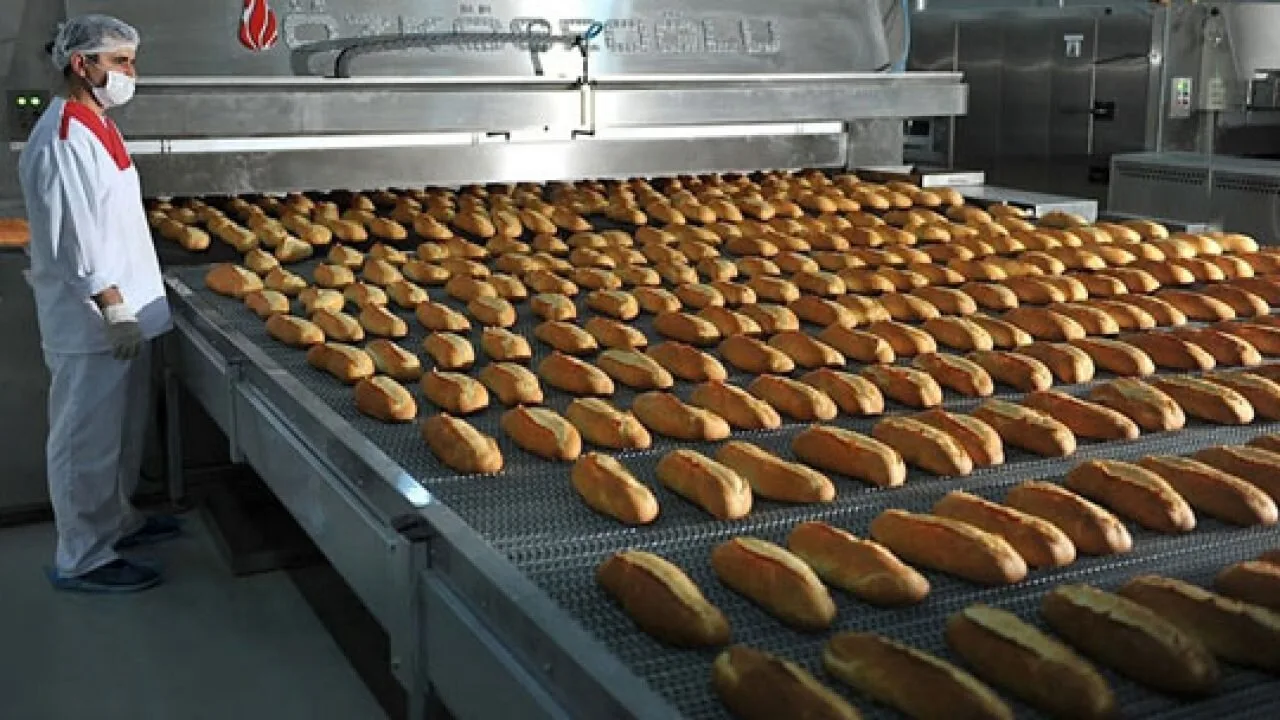
The government has announced an increase in the price of wheat from 24,000 tomans to 60,000 tomans and the cut of the flour quota, causing major changes in the world of producing bulk and industrial bread and pasta. This sudden decision has put producers in a critical situation and has directly impacted the production costs of these products.
Flour Crisis in the Food Industry
Bread and pasta producers are extremely worried about the cut in the flour quota. They say that the government no longer provides semi-subsidized wheat to these units, which has caused some producers to face a shortage of flour. According to industry activists, the increase in production costs could lead to a rise in the price of bread and other food products, which will significantly affect people's daily lives.
Read more: Donald Trump and the economic challenges of America in the new era
Consequences of Wheat Price Increase
The sudden increase in the price of wheat, as one of the essential raw materials in the food industry, not only affects producers but can also lead to an increase in the prices of bread and pasta in the market. Experts believe that this price increase must be managed carefully to prevent further pressure on households. Currently, the rise in wheat prices could also negatively impact the country's food security.
In these circumstances, there is a need for immediate and effective policymaking by the government so that producers can face new challenges and prevent further crises in the food market. At the same time, it should be noted that rising prices can lead to public dissatisfaction and social protests, which also needs to be taken into account.
Read more: Trump's decisions and their devastating consequences for American farmers · How war empties Americans' pockets