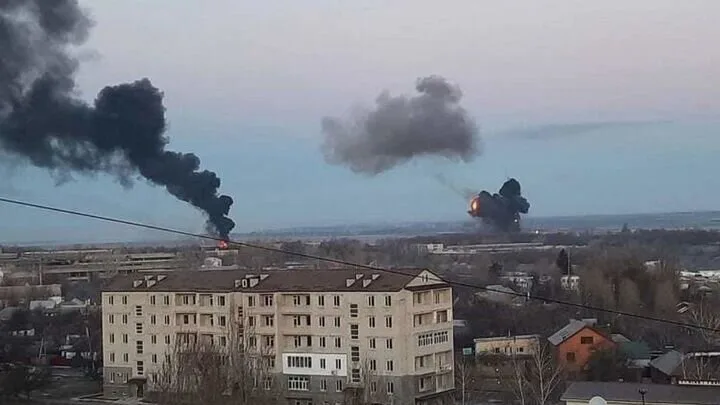
The European Parliament, by passing a controversial resolution, has designated Yemen's Ansar Allah movement as one of the 'terrorist' groups of the European Union. This action is seen as a hostile and political move in light of recent developments in Yemen and the Middle East, and it could have profound implications for the future of this movement and the humanitarian situation in Yemen.
Background and Reasons for Decision-Making
The Ansar Allah movement, which has played a crucial role in Yemen's civil war in recent years, is recognized by many countries as a militia group involved in armed conflicts. This movement, which has religious and political roots, took control of Yemen's capital, Sana'a, in 2014 and has since resisted forces supported by Saudi Arabia and Western coalitions.
Read more: Saudi Arabia's deadly attacks on Yemen; one woman killed and eight injured
The approval of this resolution in the European Parliament comes especially after an increase in tensions in the region and an escalation of conflicts between Ansar Allah and Yemen's government forces. This decision reflects Europe's concerns about the expansion of this movement's influence in the Middle East and the associated security threats.
Possible Consequences for Yemen and the Region
Adding Ansar Allah to the European Union's list of terrorist groups could have serious consequences for the people of Yemen. This action may contribute to the worsening humanitarian crisis in the country, where millions need humanitarian aid and food supplies. With increased restrictions on this movement, access to resources and humanitarian assistance for those affected by the war will become more difficult.
Moreover, this decision could also impact Ansar Allah's relations with other countries in the region. While some countries support Ansar Allah, this action could lead to isolation and further tensions in Yemen's international relations. Additionally, this resolution may fuel military conflicts in Yemen and negatively affect the peace and reconciliation process.
Ultimately, the main question is whether this action can help bring peace and stability to Yemen or, conversely, lead to increased violence and unrest. Given the history of conflicts and humanitarian crises in this country, time will tell what impact this decision will have on Yemen's future.
Read more: Belgian students protest in Brussels against a 43% increase in tuition fees · Ansar Allah's attack on Riyadh; the sky over the capital of Saudi Arabia shrouded in smoke