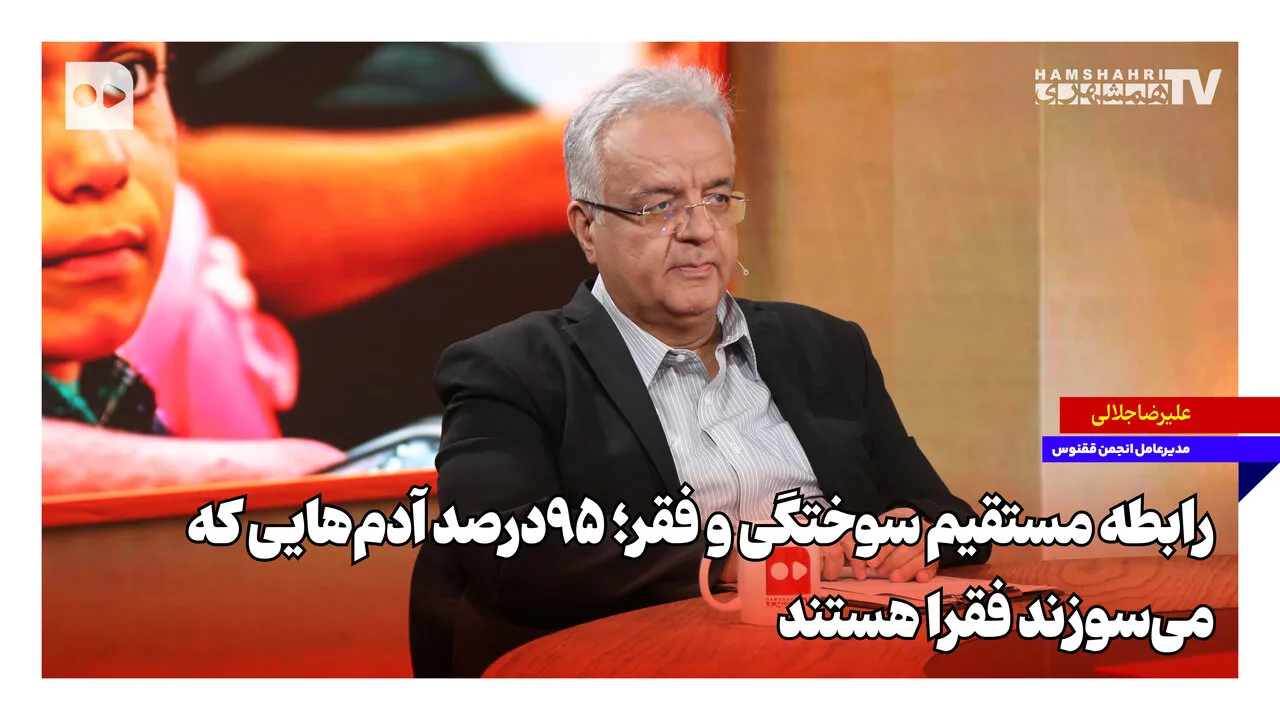
The direct relationship between burns and poverty in Iran is clearly observable; so much so that 95% of individuals receiving treatment for burns come from the poor class of society. This alarming statistic indicates serious deficiencies in safety and educational issues regarding accident prevention.
Neglecting Safety; A Disaster Lurking for the Poor
In recent years, the rate of burns in the country, especially among low-income groups, has significantly increased. In many cases, these individuals are exposed to serious risks due to insufficient training in safety and lack of basic safety facilities. For example, the use of non-standard heating devices, lighting fires in enclosed spaces, and lack of awareness of the dangers of flammable materials are among the factors that have contributed to the increase in burn rates in this group.
Read more: Preventing Constipation While Traveling with Proper Nutrition
Social and Economic Consequences of Burns
Burns not only have physical consequences for individuals but also social and economic repercussions. Those who suffer burns often have to leave their jobs or reduce their working hours. This, in turn, leads to increased poverty and livelihood problems for their families. Additionally, the process of treating burns also places a heavy financial burden on families due to high costs.
Given this reality, it is essential for officials and relevant organizations to pay more attention to the issue of burns among the poor and to provide educational and safety programs, especially in marginalized and low-income areas of the country. This action could help reduce burn rates and improve the quality of life for these individuals.
Read more: Worrying Increase in Cancer Among Youth in England, America, and the Netherlands · Proper Exercises, Key to Maintaining Mobility Independence in Middle Age and Old Age