Mike Walz, the U.S. ambassador to the United Nations, held a meeting titled "Free Cuba" on Monday, where he criticized the "repressive behavior" of the Cuban government. This meeting took place at the UN headquarters, and Walz suggested to representatives of other countries to look beyond "70 years of propaganda" and vote against a resolution condemning U.S. policies in next week's vote.
Cuba's Protest Against U.S. Criticism
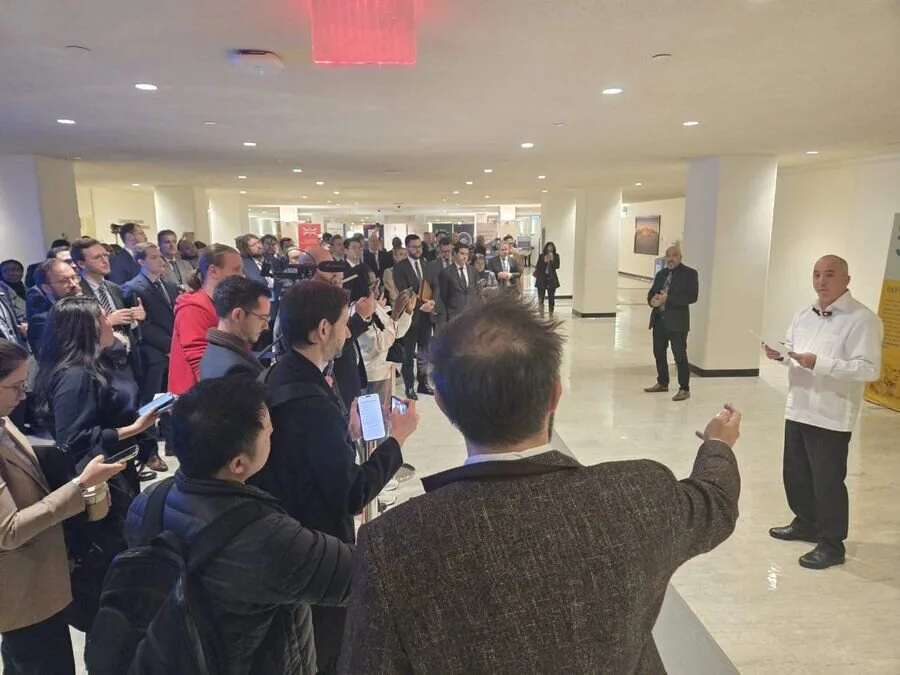
Ernesto Suprón Guzmán, the Cuban ambassador to the United Nations, in response to this meeting, held a gathering with diplomats and Cuba's allies from around the world, describing the event as a "staged show." He stated, "This show is an attempt to divert attention from a simple reality: the United States acts like an international lawbreaker and imposes collective punishment on the Cuban people."
Read more: Greg Stanton proposed a controversial solution to end the Yemen war
This is the second consecutive year that the U.S. government under Donald Trump has launched a campaign to influence the UN resolution. The goal of this resolution is to condemn the U.S. "maximum pressure" policy against Cuba. Over the past 34 years, this issue has been discussed annually at the UN General Assembly and has consistently received overwhelming support from 193 member countries of this global body.
Cuba's Economic and Social Policies
U.S. sanctions against Cuba were first imposed in 1960, and since then, Cuba has faced numerous economic and social challenges. In 2015, diplomatic relations between Cuba and the United States were officially resumed under Raúl Castro and Barack Obama, but in 2016, the United States abstained for the first time in a UN General Assembly vote regarding the request to end the sanctions.
Cuba has been severely affected by the economic and energy crisis since 2020. The country's GDP has declined, and 10 million of its residents are facing power outages, food shortages, and inflation. This situation has led to a wave of protests in the country, with hundreds of thousands of Cubans turning to emigration, especially to the United States.
In light of these developments, many questions arise about the future of relations between Cuba and the United States and the social and economic situation in the country. Can Cuba overcome these crises and achieve stability? And will the United States continue its pressures or seek diplomatic solutions?
Read more: A French shopkeeper's pleas to protesters to save her shop · Vance refrained from supporting Netanyahu in the Israeli elections