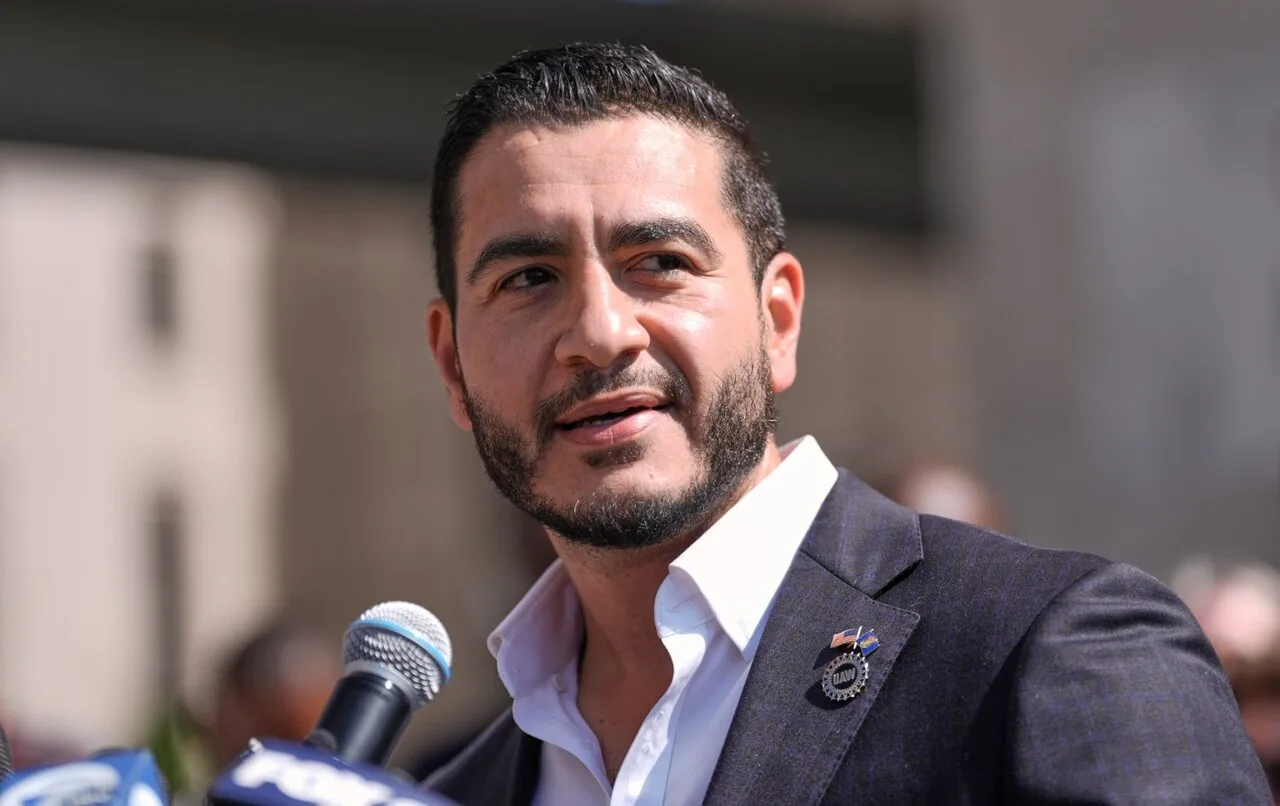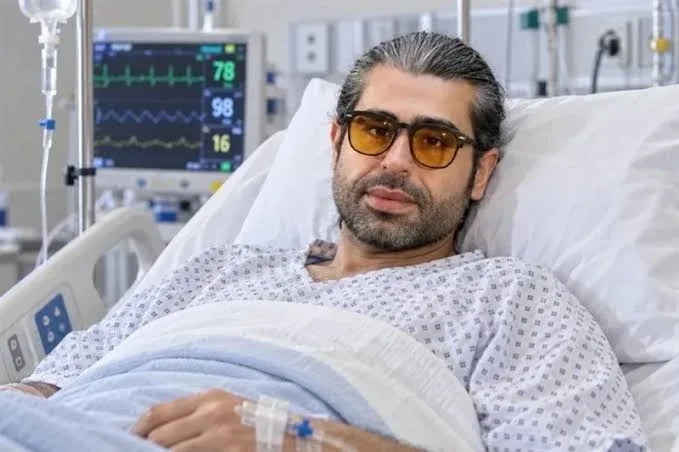
Amir Nouri, an Iranian cinema and television actor, was injured in a severe car accident on September 16, 2026, and was transferred to the hospital.
Long hours waiting in line for bread, the smell of steamed rice on a Saturday afternoon, and a television that is on in the corner of the living room; somewhere between these daily routines, Amir Nouri entered our homes as a child and became a familiar face for generations who grew up with his laughter and simplicity. Today, the news of his accident has connected those homes in Iran and among Iranians abroad with a shared concern; a concern accompanied by hope.
Read more: Marco Rubio and Cho Hyun Discussed the Strait of Hormuz
The news of the accident has brought Amir Nouri's name back into the conversations of families and friendly gatherings; a name that has become memorable for many audiences due to an early start in art and roles that exuded warmth. He was born on August 27, 1986, in Tehran, and began his artistic career in 1993, around the age of seven. This early start and continuous presence on television created an image of him that we remember both as a child and as he matured and developed professionally. Many of us first recognized him through series like "Childhood Notes" and "Without Explanation"; works that reflected the simplicity and humor of his days and quickly resonated with the public taste and the rhythm of family life in Iran.
In recent years, he stated that he had distanced himself from acting. This distance slightly removed Amir Nouri's name from the center of the noisy artistic news but not from the collective memory of the audience. Recently, his appearance on the program "Rok" with Majid Vashaghani and discussions about life and financial status sparked new debates; a conversation that transcended personal narratives to become a public inquiry about the relationship between artistic work, livelihood, and the economic realities of life, eliciting many reactions. That conversation provided many audiences with another frame of a familiar face: candid, straightforward, and based on lived experience.
Now, the news of the severe accident and his transfer to the hospital is another chapter in that human narrative: a narrative that brings stardom down from legend and connects it to real life; with all its twists, fears, and hopes. Various reports about his physical condition have been published, but no official source has announced his passing, and the treatment process continues after surgery. This clear and definitive reality is the core of the hope that Iranian families inside and Iranian expatriates outside the borders are living through and following the news.
In this context, Amir Nouri's name returning to the headlines is not just an unfortunate event; it is a reminder of a journey. A journey that began at the age of seven and continued with several memorable roles in the minds of families; a journey that later took on a more human aspect with his distancing from the stage and participation in a candid conversation about life and livelihood. In such a broad frame, Amir Nouri's hospital day is seen not just as news of an incident but as the continuation of a personal-collective story: a story with ups and downs, yet connected to the memory and daily experiences of Iranians.
In the style of "Iran and Iranians of the World", this incident has an added significance. For families who have sat around the television for years with family series, Amir Nouri's name is filled with memories. For Iranians living abroad, he is part of the small, familiar pieces of Iran's visual culture that come to life even in exile: a voice that tickles a corner of auditory memory, an image that passes through the corners of distant apartments and creates a small simulation of "home". This connection is what elevates a news item from a mere event to a shared experience.
The importance of today's news goes beyond informing about an accident; it lies in these connections. When a child starts their work in the streets of Tehran and years later, their name and face become part of the visual identity of a large audience, every vibration in their life resonates in the daily lives of others. This resonance is sometimes laughter, sometimes contemplation, and sometimes concern. Today's news is a concern; a warm and caring concern, focusing on the clear reality of ongoing treatment.
What distinguishes this journey is its direct relationship with simplicity. The roles with which he became known were unpretentious and close to the real lives of families. This closeness transformed him from a television face into a person whose presence in the frame felt like that of an acquaintance: the same feeling of "one of us". Years later, in a widely resonant interview, when he spoke about his life and financial situation, he reiterated this "one of us" quality; the straightforward language of lived experience that narrates not only the brilliant behind-the-scenes but also the not-so-brilliant realities. This honesty explains the provocative nature of that conversation and shows why today, news of his health is sensitive and worth following for many.
In such a framework, each sentence becomes part of a collective path. The accident and transfer to the hospital are shocking news, but at the same time, they are part of larger stories that each of us relate to: resilience, staying hopeful, and remembering that well-known faces are not always flawless images on screen; they are human, with all their vulnerabilities.
The confirmed news at this moment is clear: no announcement of passing and treatment is ongoing after surgery. These two statements provide enough basis for looking to tomorrow with hopeful eyes; the same tomorrow that families sit together to reminisce and follow the news. For many audiences, revisiting these memories makes the story of Amir Nouri readable not in a single role or frame but through the years and experiences: from an early start, to becoming known through family series, to the distance he took from acting due to personal choices, and to the candid expression he shared in a television interview.
In our collective narrative, this human tone is important. When art intertwines with daily life, names become signposts; signposts that give meaning to simple smiles, thoughtful silences, and even fears and hopes. Today, the news of the accident and the follow-up on treatment is a signal for pausing and looking more humanely at the life behind the brilliant scenes.
Background
Amir Nouri, an Iranian cinema and television actor, was born on August 27, 1986, in Tehran. He began his artistic career in 1993 at around the age of seven. He became known through series like "Childhood Notes" and "Without Explanation" and became a familiar face for audiences. In recent years, he stated that he had distanced himself from acting. His presence on the program "Rok" with Majid Vashaghani and discussions about life and financial status sparked many reactions and brought his name back into the spotlight. On September 16, 2026, he was transferred to the hospital following a severe car accident. No announcement of passing has been made, and treatment is ongoing after surgery.
This condensed journey creates a clear image of his place in collective memory: an early start, roles that resonated with public taste, a thought-provoking distance from the profession, and the return of his name to the center of conversations with a candid interview and sudden news. This continuity of events, alongside the human tone of his presence, explains why today, following news related to his treatment status feels like following the well-being of an acquaintance; an acquaintance with whom we laughed and in silence of concern, we wish well.
For Iranian audiences, whether inside or among migrant communities, this "collective wishing" itself is a cultural act: tying memories to the present moment, reflecting on the journey a face has taken from childhood to adulthood, and caring for the image that has long settled in the mental album of families. This care sometimes manifests in simple family conversations and sometimes breaks in silence with just one good news. Today, the focus of this care is clear: the continuation of treatment after surgery.
When we talk about Amir Nouri, we speak of a personal journey intertwined with collective memory. Within this memory, today’s hard news becomes more bearable, as it is stitched together with thin threads of hope. Hope rooted in shared experiences: in familiar frames, in laughter that has accompanied us since childhood, and in conversations whose honest tone we do not forget.
Today, his name sits alongside a clear word: continuation. Continuation of treatment after surgery; continuation of a professional journey that, although accompanied by distances, remains alive in the minds of audiences; continuation of conversations that find new meanings in the relationship between art and life. And ultimately, continuation of the connection that links art to the daily lives of Iranians, wherever they may be.
When tomorrow arrives, families may again sit around that same television and among the day’s news, keep an eye on his name. This gaze is not of superficial curiosity; it is the result of years of companionship. And it is precisely at this point that a bitter news of an incident becomes an opportunity to revisit the journey and appreciate the role that art has played in shaping our memories. Today’s news reminds us of this possibility: that even in the most unfortunate moments, we can think of the roots of connection and hope.
Read more: Sheikh Isa Qasim: The Accusation Against Yemenis Regarding Mecca is Incorrect