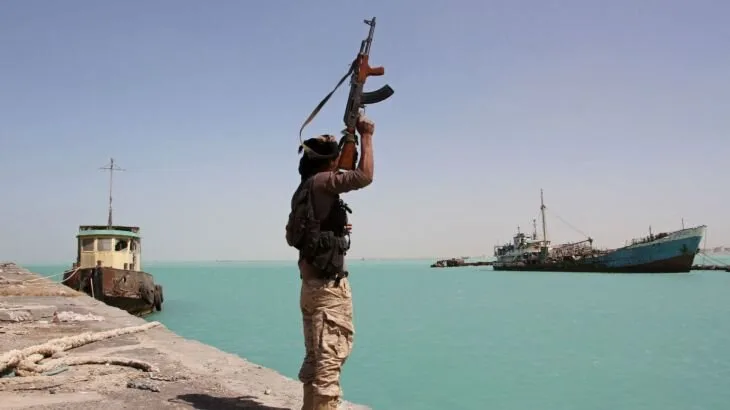
Following recent developments on the western shores of Yemen, particularly in the areas of Al-Mokha, Dhubab, and Meyyun Island, serious concerns have emerged in Tel Aviv and Riyadh. The presence of armed Yemeni forces and their advance in these areas has once again highlighted the strategic importance of Bab al-Mandab and, consequently, challenged the security of maritime routes leading to Eilat and Saudi Arabia.
Increased Threats in Regional Waters
Analysts believe that the movements of Ansar Allah could lead to a shift in the balance of power in the region. This group, by strengthening its presence on the shores of Yemen, seeks greater control over the strategic waters that are significant not only for Saudi Arabia but also for Israel. Tel Aviv's concerns have particularly increased in this regard, as any threat to maritime routes could have widespread impacts on global trade and energy security.
On the other hand, Saudi Arabia, which relies on these routes to secure its oil exports, is facing significant challenges. Any weakening of security in these areas could lead to rising oil prices and disruptions in the global market. The advance of Ansar Allah in these regions clearly indicates that this group is strengthening its military and strategic capabilities, which could lead to future crises.
Overall, the current situation in Yemen and its western shores should be concerning not only for local actors but also for major global powers. The increase in tensions and military movements in this region could lead to further instability and conflicts.