Tehran urban management has recently unveiled a series of plans and livelihood packages aimed at alleviating economic pressures on citizens. This initiative comes at a time when economic, cultural, and social issues have become one of the main challenges facing the country.
Livelihood Packages and Support for Families
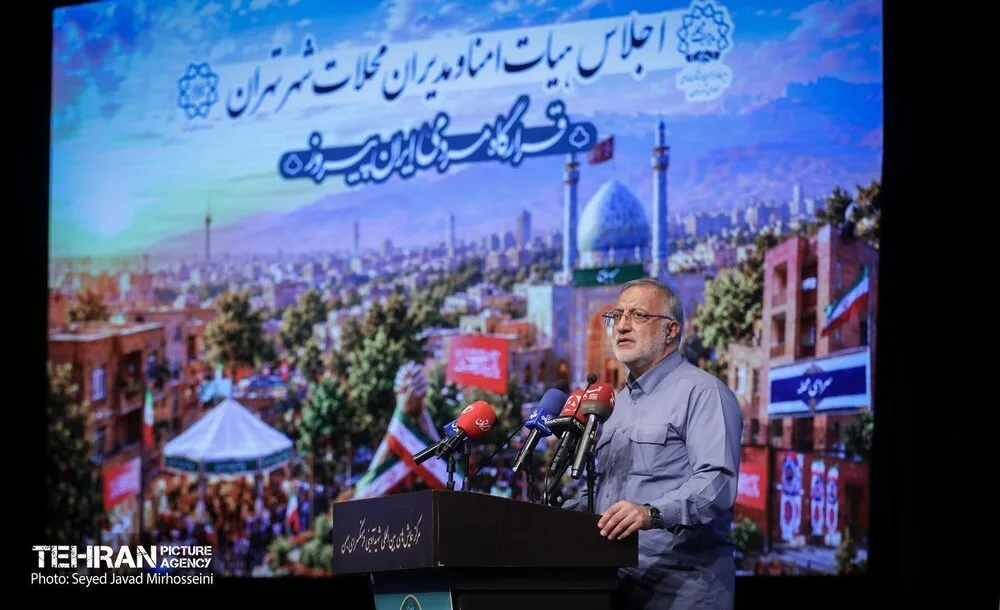
At this gathering, the mayor of Tehran detailed the livelihood packages, which include 15 essential goods for a duration of 6 months at a fixed price. These items will be available at fruit and vegetable markets and Shahrvand stores, and there will also be an option for ordering and home delivery through the "Shahrzad" system. From the second half of Mehr (October), local markets will be established in various areas of Tehran to allow producers to sell their goods directly to the public. It is anticipated that the goods offered at these markets will reach the public at prices 10 to 15 percent below those of the markets.
Read more: Seyyed Reza Salehi Amiri: The desire to emigrate in Iran has reached 60 percent
Support for Mothers and Youth
The urban management will also unveil the "Motherhood" package, which will allocate between 3.5 to 4 million tomans monthly for mothers who give birth after the year 1405. This amount includes 2.5 million tomans for purchases from markets and Shahrvand stores and one million tomans for receiving cultural and health-related services. Meanwhile, Tehran is expected to have approximately 143,000 births annually according to planning, while only 63,000 births were registered last year.
Housing and Renovation Plans
Considering that 51 percent of Tehran's population are renters, urban management has initiated a renovation and construction program across 211 areas covering 629 hectares. In the first step, 10 plots from these plans will soon enter the implementation phase. These plans include social housing, housing for young couples, and housing for families with more children. In any neighborhood where the board of trustees creates capacity and public participation, urban management is ready to provide land and necessary facilities to collaborate with the public in building housing for young couples and other target groups.
Family Doctor and Public Health
Additionally, the municipality is coordinating with the government to implement a public health and family doctor program in 6 neighborhoods of Tehran on a trial basis. This program will run for 9 months and, if successful, will be expanded to the entire city of Tehran. Health houses and neighborhood centers will play a significant role in this program, and neighborhood boards can also provide the necessary capacities for its implementation.
Mohammad Amin Tavakolizadeh, the Deputy for Social and Cultural Affairs of the Mayor of Tehran, referred to the approach of popular participation as one of the key pillars of strengthening social capital and emphasized that this approach will help solve the social and economic problems of the people. To strengthen local capacities, 21 task forces have been established at the urban management level, and their activities will extend to the neighborhood level.
Ahmad Ali Heydari, head of the secretariat for neighborhood participation in Tehran, also announced the drafting of a local participation charter and emphasized that the Tehran municipality, as the architect of the participatory governance ecosystem, seeks to change the logic of governance from merely involving people to their active role in decision-making and value creation.
Read more: The donated rings of Ayatollah Seyyed Mojtaba Khamenei to the families of martyrs in Lebanon · Reduction of commercial profit in Shahrvand stores and the start of support plans