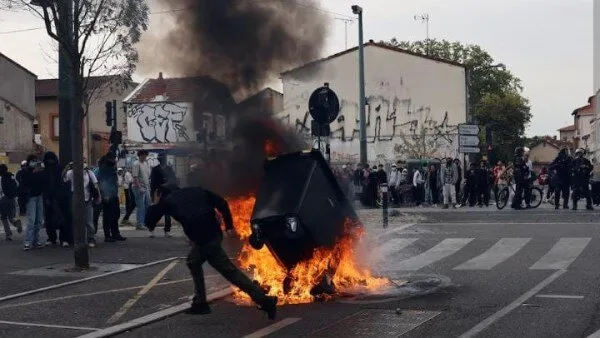
Student protests in France continued especially on Friday, as Emmanuel Macron, the President of the country, tries to cope with these increasing and intense demonstrations. Students gathered in the streets to draw attention to the poor educational conditions and budget shortages, demanding serious changes in the educational system.
Reasons for Student Protests
The conditions of classrooms and the management of educational financial resources are among the issues that have been heavily criticized by students and teachers. Many students complain about overcrowding in classrooms and the lack of adequate educational facilities. These conditions, especially during an economic crisis, have intensified discontent and brought protesters to the streets.
Read more: Kremlin: Russia's readiness to negotiate with Ukraine under specific conditions
Government and Unions' Response
Despite increasing pressures, Macron's government has attempted to reduce the protesters' anger by making minor changes to educational policies. However, teacher and student unions consider these changes insufficient and have called for a general strike. This strike reflects their serious determination to improve educational conditions and secure adequate funding for schools.
As these protests continue, it seems that the French government is facing serious challenges in managing public discontent. Many parents and teachers have also joined in support of the students, indicating a social solidarity for educational rights.
It is believed that these protests may not be limited to a temporary period and could potentially evolve into a larger movement in the future. If the government fails to respond to the protesters' demands, it is likely to face more challenges in the near future.
Read more: Netanyahu; from global isolation to the West's efforts to oust him · About 100 protesters against Benjamin Netanyahu arrested in New York