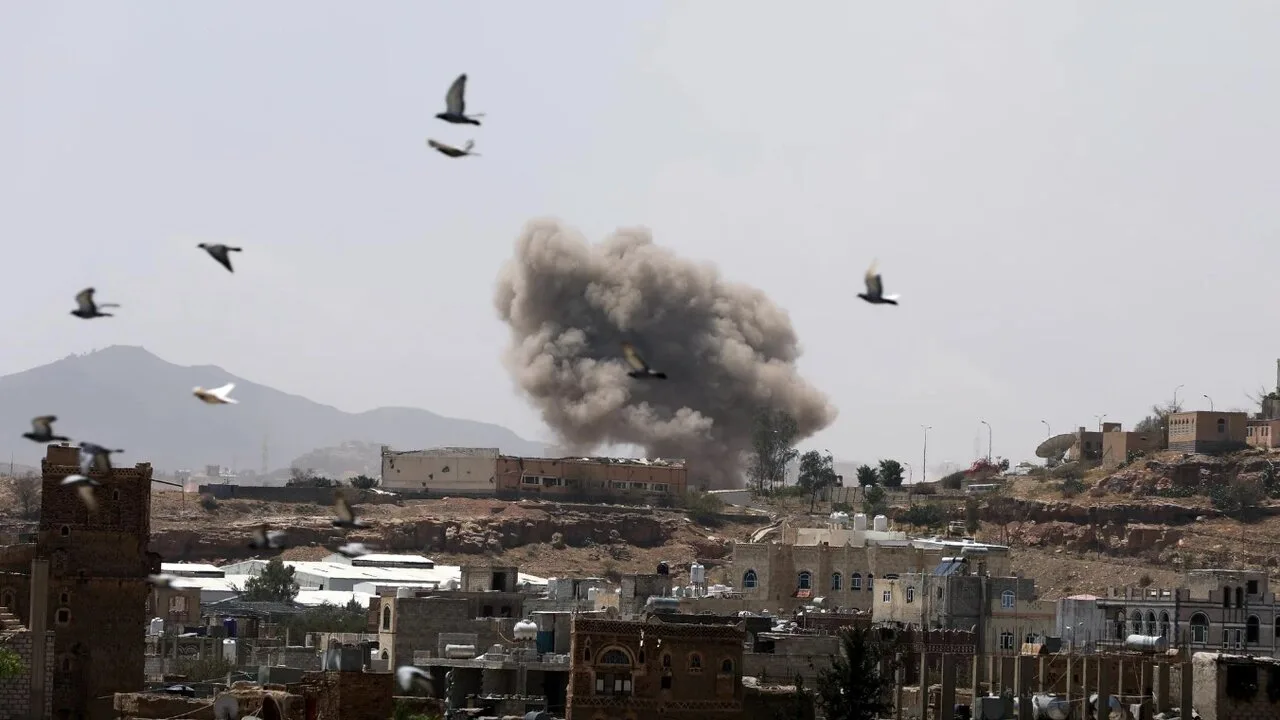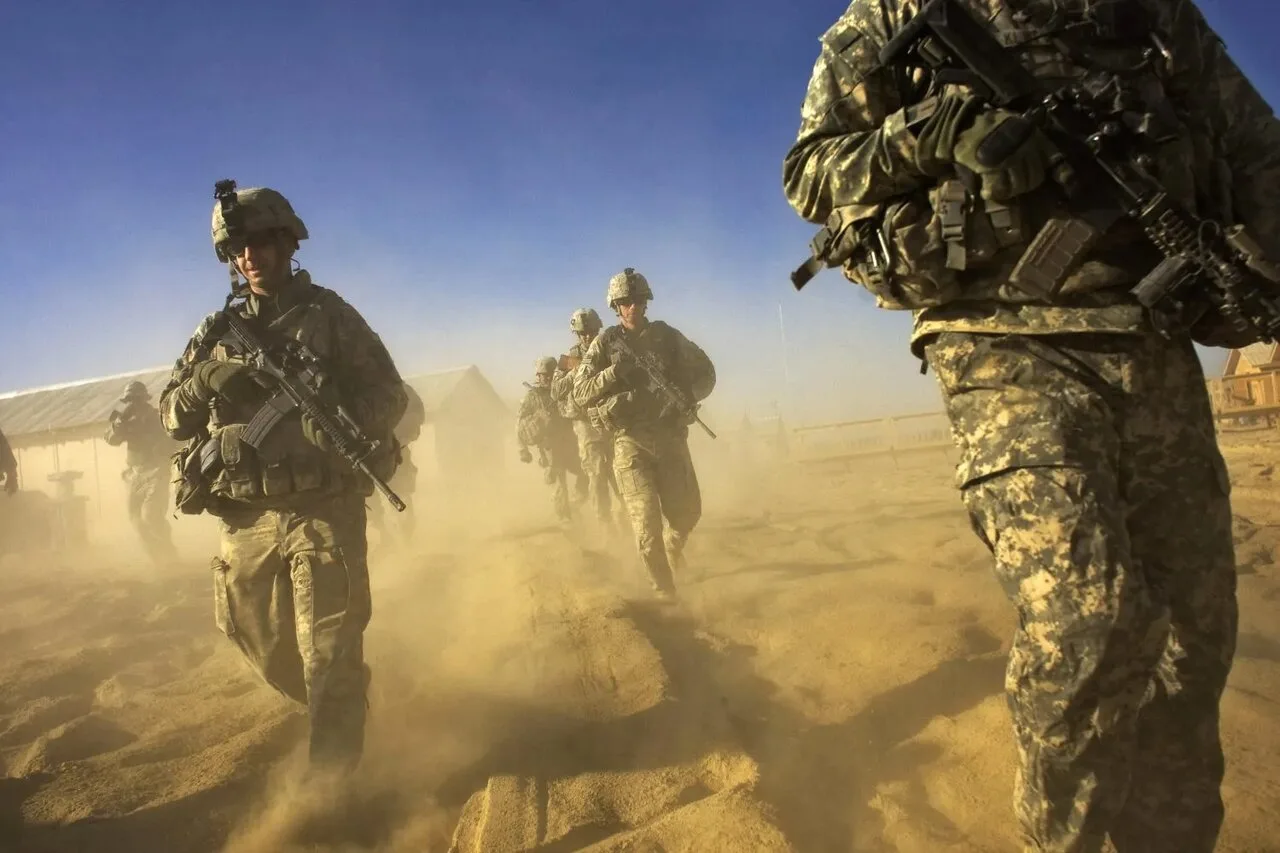
Over the past few decades, despite technological and military advancements, the U.S. Army has consistently turned to an old narrative when facing wartime challenges. This narrative, which can be considered a myth, claims that failures occur not due to weaknesses in strategic thinking, but because of a lack of will and resilience among military forces.
The Myth of Resilience and Its Impact on Military Strategies
This belief that failures are a result of a lack of will is repeatedly brought up in analyses and speeches by military and political officials. In other words, this narrative focuses on psychological aspects and willpower instead of conducting a deeper analysis of the real reasons behind failures. This approach can easily allow for evasion of responsibilities and enable the army to avoid serious revisions of its strategies.
Read more: Sebastian Lecornu reported on the calm last night after the curfew in France
Consequences of This Approach on Military Performance
In fact, this myth gives the U.S. Army the impression that it can overcome challenges solely by boosting morale and willpower. However, the reality is that modern wars have their own complexities and require innovative strategies and precise analyses. From the wars in Iraq and Afghanistan to global crises, there are many points that indicate that merely relying on willpower may not be sufficient.
Critiques and analyses show that the lack of appropriate strategies and the mismatch with the realities of the battlefield are key factors in military failures. Instead of focusing solely on strengthening the will of the forces, it is necessary to conduct deeper assessments of the conditions and needs.
In this regard, some military experts believe that the U.S. Army should reconsider its approaches and, instead of relying on old myths, turn to more scientific and precise analyses. This change in approach could lead to improved performance on the battlefield and reduced human and financial costs.
Overall, this myth that failures are a result of a lack of will can easily lead to overlooking deeper issues. The U.S. Army must courageously respond to current challenges and utilize innovative and scientific solutions to be more successful in future wars.
Read more: Iran's attacks forced the Pentagon to reconsider its military presence · U.S. senators called for the disclosure of the true cost of the war against Iran