Iran's recent attacks on U.S. military facilities in the Middle East have compelled the U.S. Department of Defense to seriously reconsider its military presence in the region. These developments reflect the direct impact of military tensions on U.S. defense strategies and economic costs.
Background of Tensions
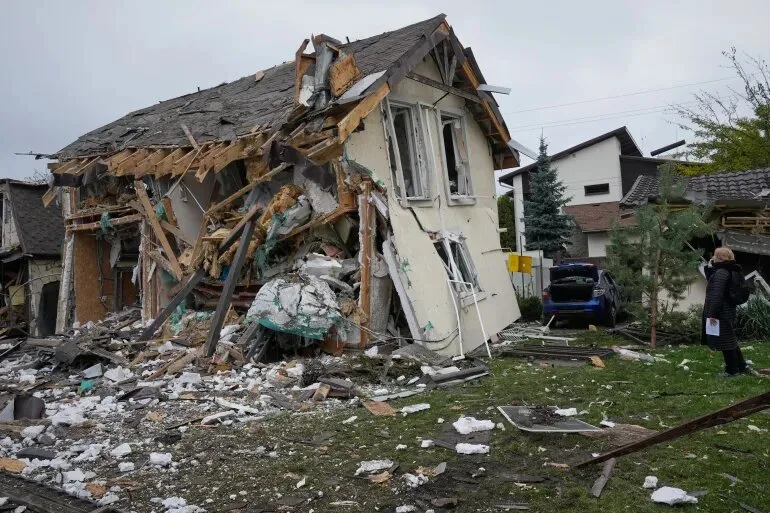
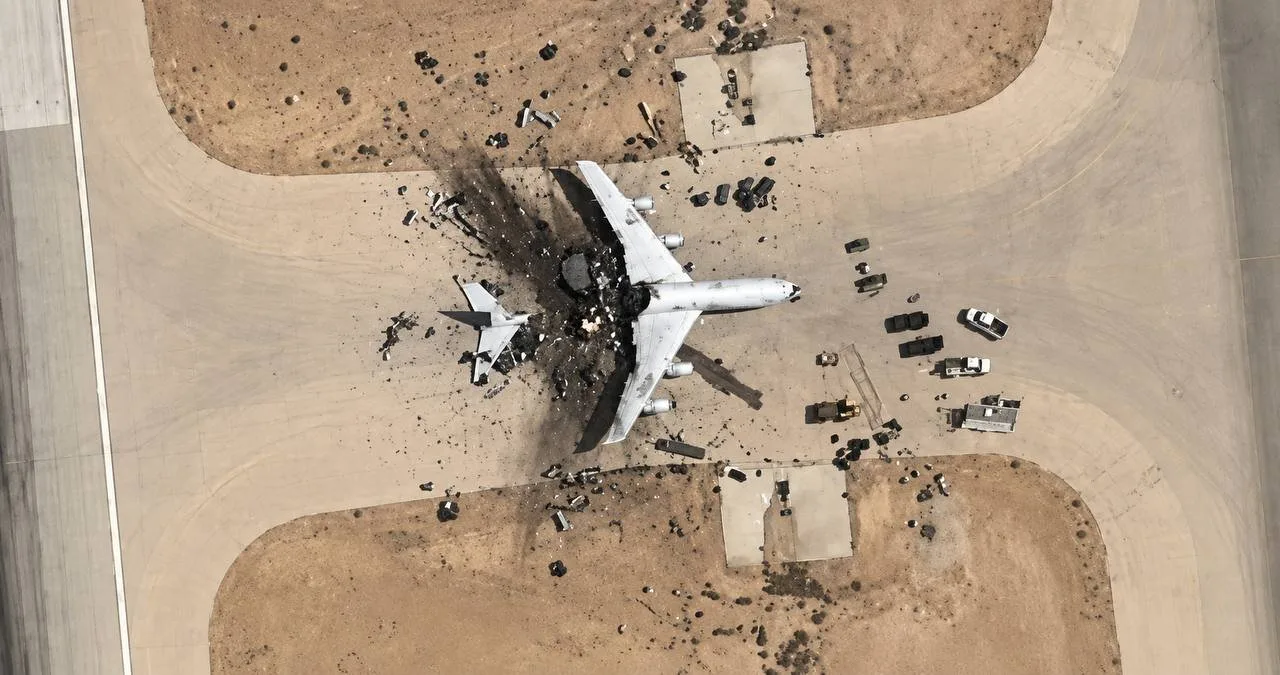
In recent months, we have witnessed an increase in tensions between Iran and the United States. Iran's missile and drone attacks on U.S. military facilities have not only damaged infrastructure but have also altered the Pentagon's approach to its military presence in the region. Reports indicate that these attacks have rendered the Joint Air Operations Center at the Al Udeid Air Base in Qatar unusable and have also damaged U.S. facilities in Saudi Arabia and Jordan.
Read more: Thousands of French Protest Against Emmanuel Macron's Government
Reassessment of Bases
An American military official stated in an interview that the Pentagon is evaluating the reconstruction costs of damaged bases. This assessment includes determining whether some of the damaged facilities should be rebuilt or abandoned altogether. The official, who remained unnamed, noted that officials are working with CENTCOM (U.S. Central Command) to prioritize which bases should be addressed first.
In this context, the Pentagon is also exploring new defensive measures to counter missile and drone threats. According to this official, naval support operations in Bahrain remain unusable, and the Pentagon has yet to provide an accurate estimate of repair costs.
Strategic Implications
These developments have not only led to financial challenges for the Pentagon but could also impact U.S. military strategies in the Middle East. A reassessment of military presence could mean a reduction or change in the deployment of American forces in the region, which would have broader political and security repercussions.
As this situation continues, the future of U.S. military presence in the Middle East has become a fundamental question. Military officials are striving to make decisions that not only ensure U.S. national security but also manage economic costs in light of existing threats.
Read more: Speaker of the U.S. House Warns About the Consequences of Lifting Sanctions on Russia · Heavy Rain Expected in 5 Provinces: Hormozgan, Kerman, and Sistan and Baluchestan