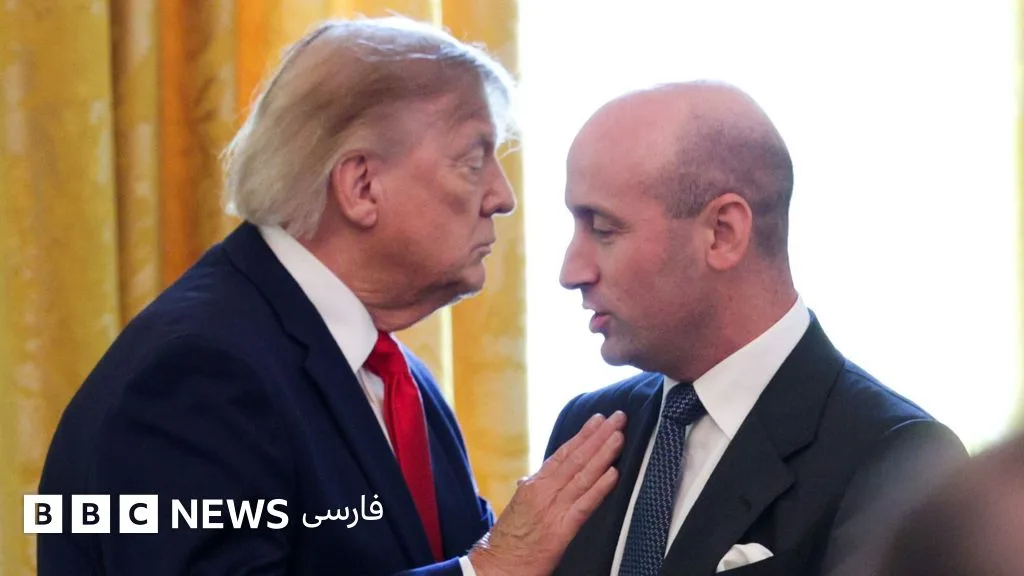
Stephen Miller, the controversial and hardline immigration policy architect for Donald Trump, has been appointed as the new White House Chief of Staff. This appointment comes at a time when the Republican Party has suffered a defeat in the recent midterm elections, losing control of both the House of Representatives and the Senate to the Democrats.
New Challenges in Congress
Miller, who has a long history of designing strict immigration policies, takes on this new role under conditions where Congress is now under Democratic control. As White House Chief of Staff, he must effectively confront these challenges and engage in negotiations with Congress.
Read more: Donald Trump Appoints Stephen Miller as White House Chief of Staff
Hakeem Jeffries, a prominent Democratic figure in the new Congress, has described Miller using terms like "malignant tumor," reflecting the level of tension and disagreement surrounding this issue. Miller's selection as White House Chief of Staff could exacerbate the divisions and tensions between the Democratic and Republican parties.
Controversial Policies and Their Consequences
As one of Trump's closest advisors, Stephen Miller has played a role in designing and implementing several controversial immigration policies. He is particularly known for advocating for the forced deportation of immigrants and for actions that critics have described as "extrajudicial killings." These policies have faced significant criticism in recent years and have sparked heated debates in the American political landscape.
While Miller has been appointed as the new White House Chief of Staff, it remains unclear whether these managerial changes are related to the consequences of the war with Iran or the electoral defeat of the Republicans. Trump has previously expressed dissatisfaction with the performance of some of his advisors and the Republican Party's electoral strategies, which could influence his decisions.
Despite concerns about the effects of the war with Iran and rising gasoline prices on his and the Republican Party's popularity, Trump ultimately supported military operations against Iran. These decisions became one of the main topics of the midterm elections, and now with the new changes in the White House, it remains to be seen whether these policies will continue.
Read more: 34 Killed and 49 Injured in Saudi Attacks on Yemen · Donald Trump and JD Vance: The Iran War and Its Impact on the Republican Defeat in Elections