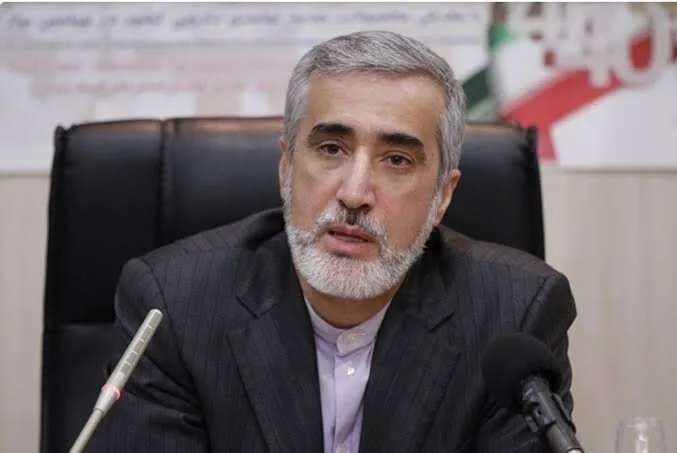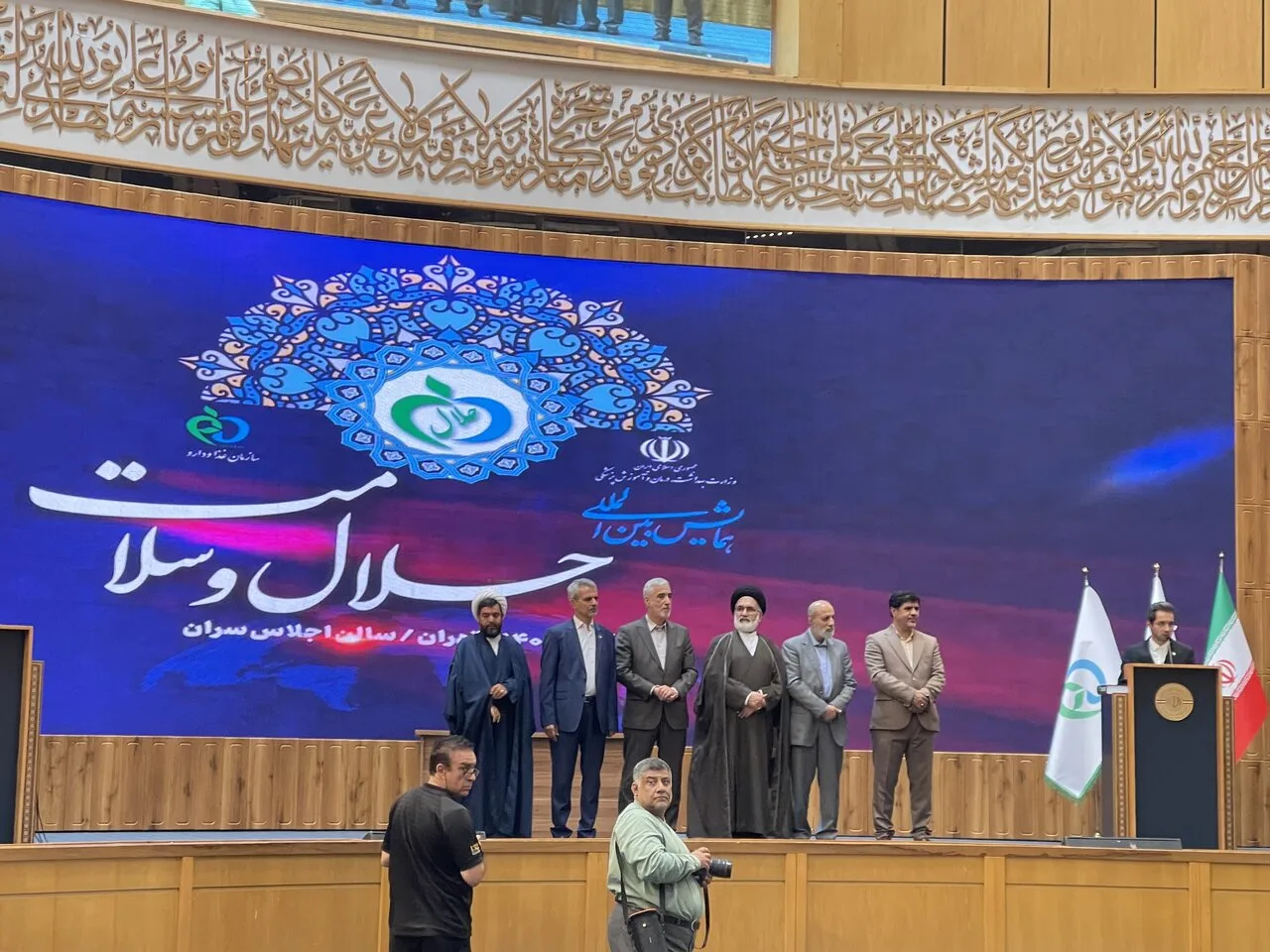
Mohammad Eslami, Vice President and Head of the Atomic Energy Organization of Iran, and Mohammad Reza Zafarghandi, Minister of Health, Treatment, and Medical Education, signed an agreement yesterday to develop the applications of nuclear technology in the health sector. This agreement aims to control disease carriers and enhance public health in the country.
Details of the Collaboration
According to this agreement, the parties are committed to collaborating on the establishment of a mass breeding center for sterile male Aedes aegypti mosquitoes. This collaboration also includes conducting experimental and field studies to evaluate the effectiveness of new technologies. One of the main focuses of this collaboration is to create the necessary infrastructure for the mass production of sterile male mosquitoes and to implement experimental plans followed by the widespread release of these insects in target areas.
Read more: Three daily habits that can lower your blood cholesterol
In this method, irradiation technology is used for sterilizing male mosquitoes. By releasing these mosquitoes and successfully reducing the reproductive capacity of the mosquito population, it becomes possible to control the carriers of diseases such as malaria and Zika. This initiative can serve as an innovative solution for reducing the prevalence of these diseases in various regions of the country.
Commitments of the Atomic Energy Organization of Iran
The Atomic Energy Organization of Iran also has significant responsibilities in this collaboration. This organization is committed to providing gamma or x-ray irradiation devices, training personnel in irradiation technology, and supplying specialists in the fields of irradiation and dosimetry. Additionally, ensuring the performance and maintenance of the delivered equipment is another commitment of this organization.
With the signing of this agreement, hopes for controlling infectious diseases in the country have increased. It seems that this collaboration could be a turning point in the use of modern technologies to improve public health. Given that disease carriers are one of the biggest health challenges in communities, this initiative could have significant positive impacts on the social and economic health of the country.
Ultimately, this agreement reflects the serious determination of officials to utilize advanced technologies to address health challenges and enhance the quality of life for the people of Iran.