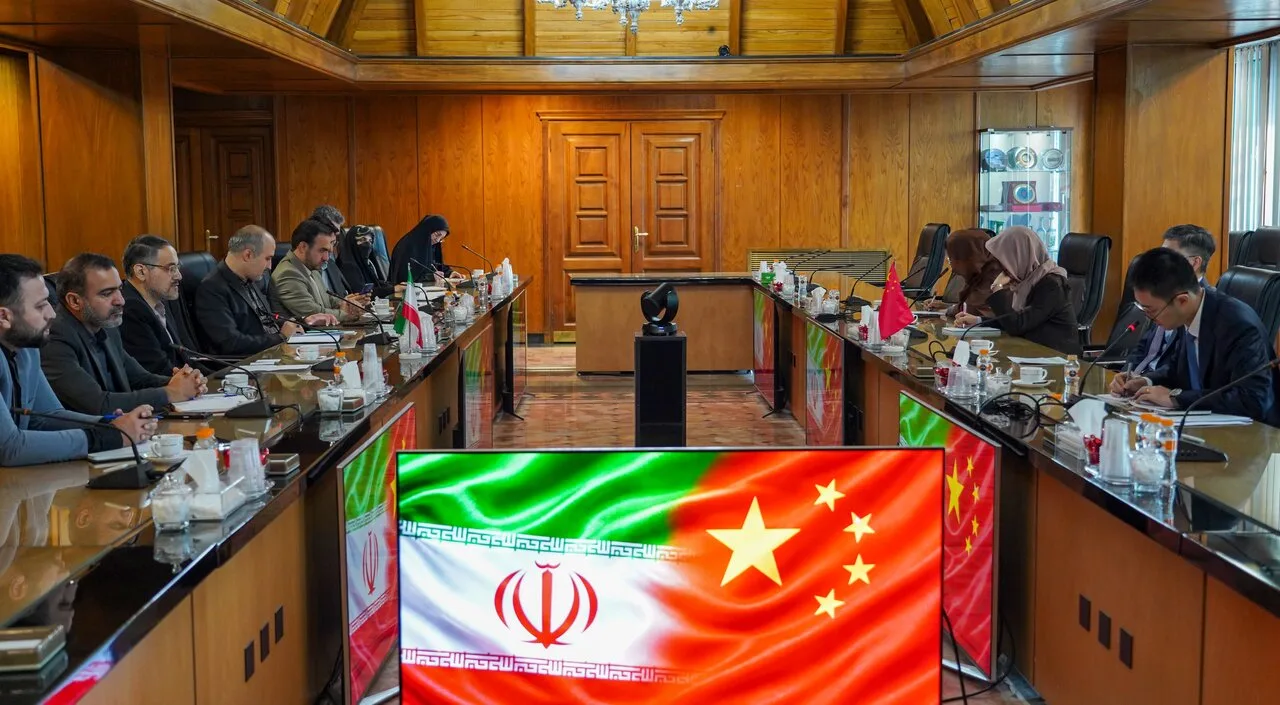
Sheikh Tamim bin Hamad Al Thani, the Emir of Qatar, has proposed to Iran, as part of mediation efforts in the tensions between Iran and the United States, that UN nuclear inspectors be granted access to Iran's nuclear facilities that have been attacked, including sites where large amounts of enriched uranium are stored.
Details of Qatar's Proposal
According to this proposal, Iran will not need to commit to removing enriched uranium from the country, and other options, including reducing uranium content through reprocessing, have been considered. Meanwhile, the Emir of Qatar discussed this plan with Donald Trump, the former President of the United States, although the details of this conversation have not yet been disclosed.
Read more: China warned the US; deemed sanctions on two companies illegal
The Emir of Qatar emphasized the importance of continuing dialogue and using diplomacy as a means to resolve disputes and prevent escalation of tensions in the region during this conversation.
Challenges Facing the Negotiations
While Trump is considering the possibility of launching new attacks on Iran's nuclear facilities, the credibility of his threats within Iran has diminished, especially in light of comments made by Mike Pence, Trump's Vice President, who emphasized that war and its costs have significantly impacted Republican votes in the midterm elections.
As part of Qatar's proposal, the United States must immediately lift the maritime blockade of Iran in the Strait of Hormuz and release part of the $8 billion of Iran's frozen assets. In return, Iran must agree to allow International Atomic Energy Agency inspectors to visit its bombed nuclear facilities, which is feasible based on a previous agreement signed in September 2025 in Cairo.
Iran also has other preconditions for reopening the Strait of Hormuz, including ending the war in Lebanon, withdrawing US forces from Iran's shores, committing to lift certain economic sanctions, and agreeing to pay war reparations. The arrangement of these commitments is one of the main focuses of the mediation.
Additionally, in a memorandum of understanding drafted between the parties, a $300 billion reconstruction and development fund was supposed to be established to assist Iran in improving its economy, but it is still unclear how this plan will be financed.
Iran, considering its victorious status after Trump's defeat in the elections, is cautiously viewing the return of UN nuclear inspectors to the country and claims it does not trust Rafael Grossi, the head of the agency. Tehran believes that Grossi has betrayed his duties in preserving the nuclear non-proliferation treaty by failing to criticize the United States for its attacks on its nuclear facilities. Iran is concerned that the information collected by inspectors could be used as targeting data for the United States and Israel.
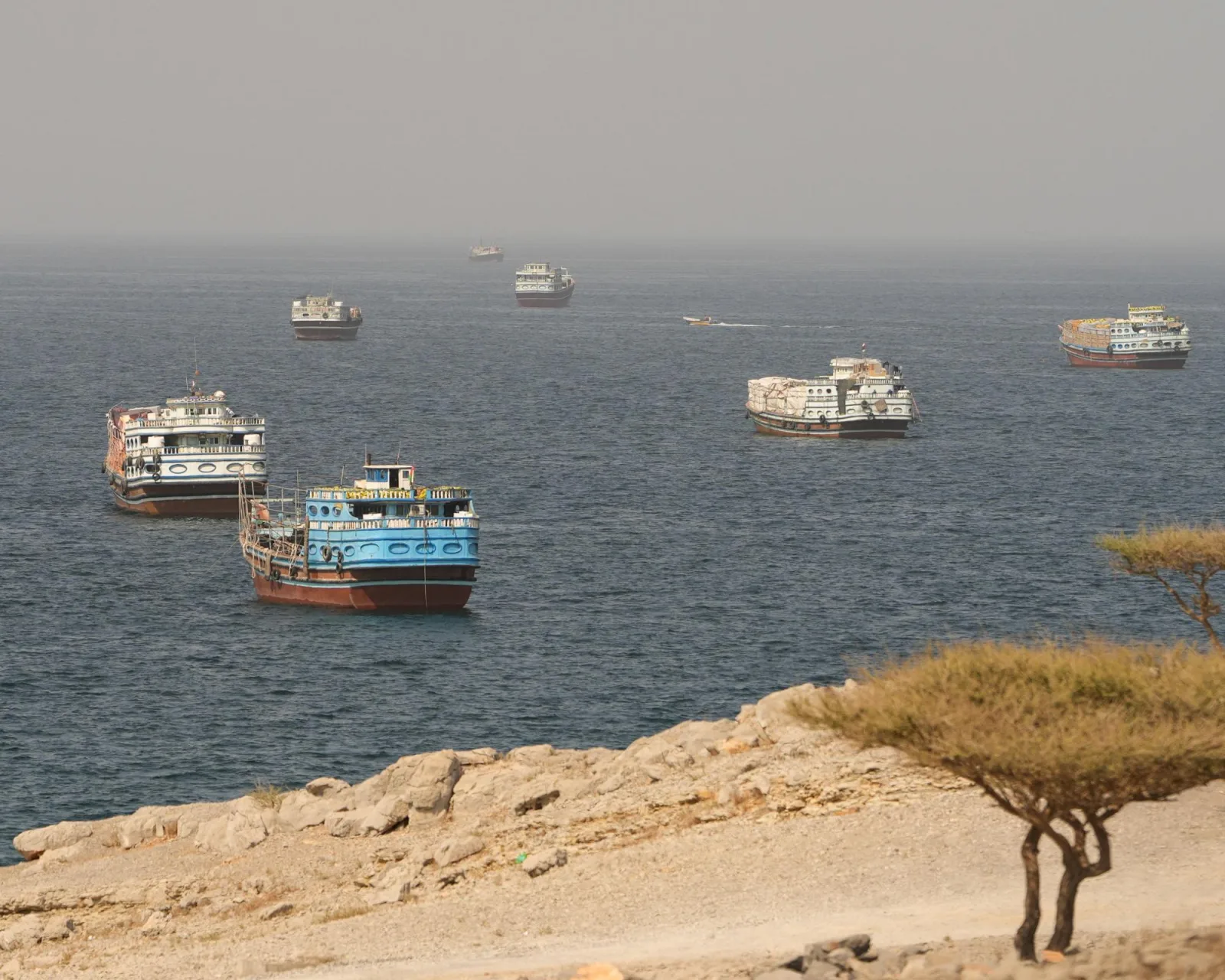
Oman has also proposed a long-term management plan for the Strait of Hormuz that includes charging fees only for maritime services, not tolls.
Ali Hayat Moghadam, Deputy Chairman of the National Security and Foreign Policy Commission of the Iranian Parliament, told the Iranian Students' News Agency (ISNA) that vessels from four countries – China, India, Qatar, and Iraq – are allowed to pass through this strategic waterway. According to him, these exemptions have led to mutual interests, so Iran collects passage fees from Indian and Chinese vessels while allowing Qatari vessels to pass for free. Medicines are received from India, and China provides political support.
Reports indicate that of the 10.23 million barrels of crude oil that passed through the Strait in October, about 42 percent went to China and 13 percent to India.
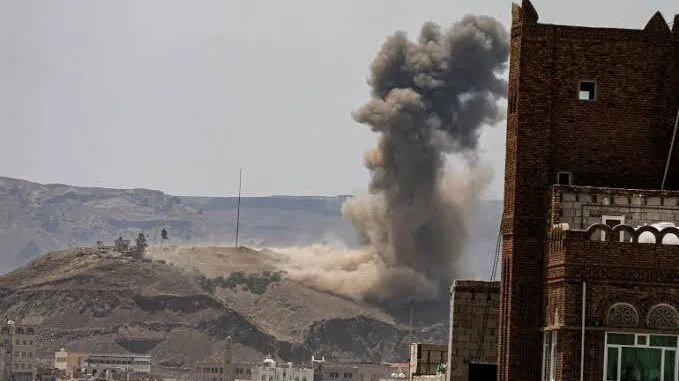
The Islamic Revolutionary Guard Corps announced that two "violating" oil tankers that attempted to pass through an unauthorized route in the eastern part of the Strait of Hormuz collided with mines and caught fire. The Guard stated that these two tankers had turned off their navigation and identification systems and that the attempt to pass through this route was supported by US military forces.
Read more: Turki Al-Faisal warned Gulf countries about regional challenges · Ghahramanpour: The next three months will be the most dangerous period of confrontation between Iran and the US