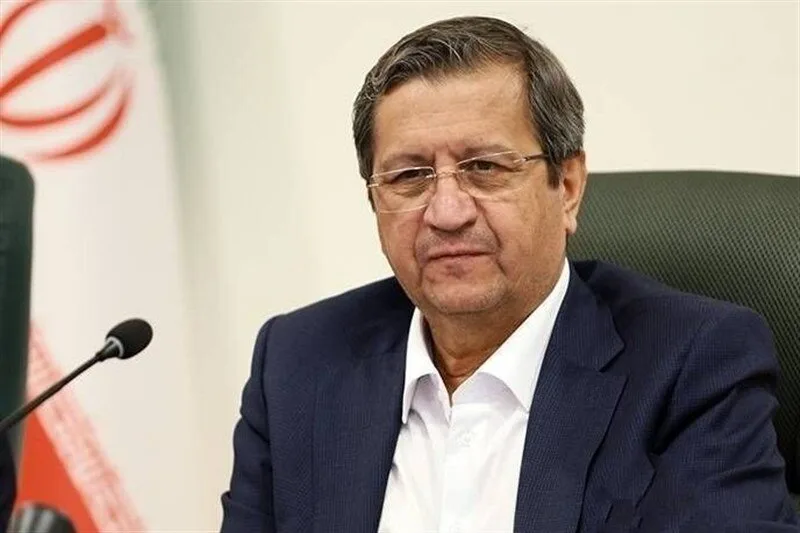
Seyyed Hamid Pour Mohammad, head of the country's Planning and Budget Organization, made important statements regarding household vouchers, announcing that the aim of increasing the budget for this plan is to support needy groups. He clarified that individuals with adequate income and economic status should not expect to receive this support.
Conditions for Receiving Vouchers and Excluding High-Income Deciles
Pour Mohammad noted that 44 million people will be eligible for the increase in voucher amounts, adding that other individuals can also apply for this support. If their economic status is confirmed, they will receive financial assistance. The Vice President stated that the government's goal is to direct limited resources to those who truly need them.
Yaqoub Andayesh, Deputy for Economic Welfare at the Ministry of Cooperatives, Labor, and Social Welfare, raised the possibility of excluding high-income families from the list of voucher recipients. This issue has now influenced speculation about changes in the list of beneficiaries. Given the financial conditions arising from economic fluctuations, the government aims to direct welfare support towards low-income households.
Continuation of Welfare Support and Economic Challenges
Currently, the continuation of welfare support without regard to the government's financial capacity can pose serious challenges. Using unsustainable and inflationary resources to secure funding may increase the monetary base and bring more inflation back to the Iranian economy. Therefore, revising the list of beneficiaries and directing support towards vulnerable households has become more important.
Experts in the field of economic welfare believe that organizing the list of beneficiaries should be done in a way that leads to more effective use of public resources and strengthens the purchasing power of needy groups. Additionally, this action is seen as a tool for prioritizing support and allocating resources to households that have the greatest need.
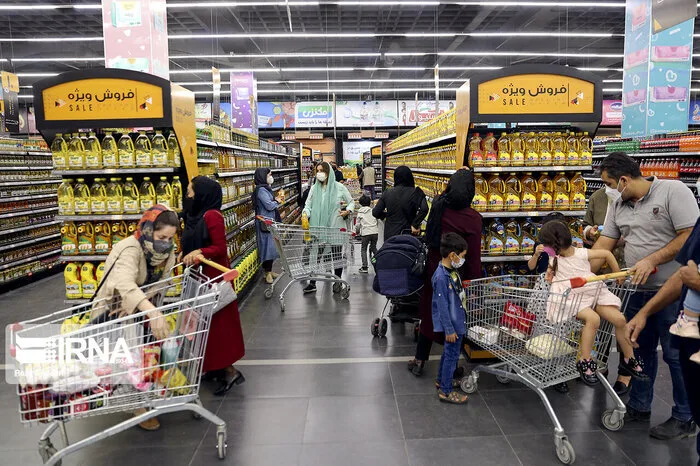
In recent months, the voucher amount for households covered by the Imam Khomeini Relief Committee and the Welfare Organization has been increased to 500,000 tomans. This plan was implemented to compensate for some of the effects of rising prices and to support the purchasing power of households. In total, about 35 million people have benefited from this increase by completing the relevant forms.
Given the government's financial constraints and the rising costs of implementing the voucher plan, revising the list of beneficiaries can help secure some of the resources needed for increased support. Furthermore, policymakers should carefully utilize financial and asset data and provide the possibility for field assessments and verifications.
Ultimately, it should be considered that access to the mechanism for objections and processing requests should be such that low-income households do not lose their welfare support due to informational errors or ignorance of the administrative process.