The Islamic Revolutionary Guard Corps successfully seized two American MQM-170 drones between November 7 and 8. This incident has once again brought the issue of Iran's access to American military technologies through the recovery of unmanned aerial vehicles to the forefront. Previously, the capture of the strategic RQ-170 drone in 2011 and the unveiling of its Iranian versions had made this topic one of the most significant events in the country's defense industries.
Successful Operation in the Strait of Hormuz
The naval forces of the Islamic Revolutionary Guard Corps successfully landed an American MQM-170 drone intact on November 7 by taking control of its guidance and control systems. This drone had been deployed to identify Iran's air defense systems along the shores of the Persian Gulf and the Strait of Hormuz. The recovered information indicates that the drone's flight originated from the shores of one of the southern Gulf countries.
Read more: Message from the Leader of the Revolution; Science and Elites, Builders of Iran's Future
Second Capture on Qeshm Island
On November 8, the IRGC announced the capture of another drone of the same type in the skies over Qeshm Island. This time, the advanced electronic warfare systems of the IRGC Air Force were involved in this operation, and the American drone was seized for the second time in a short period by the Iranian armed forces.
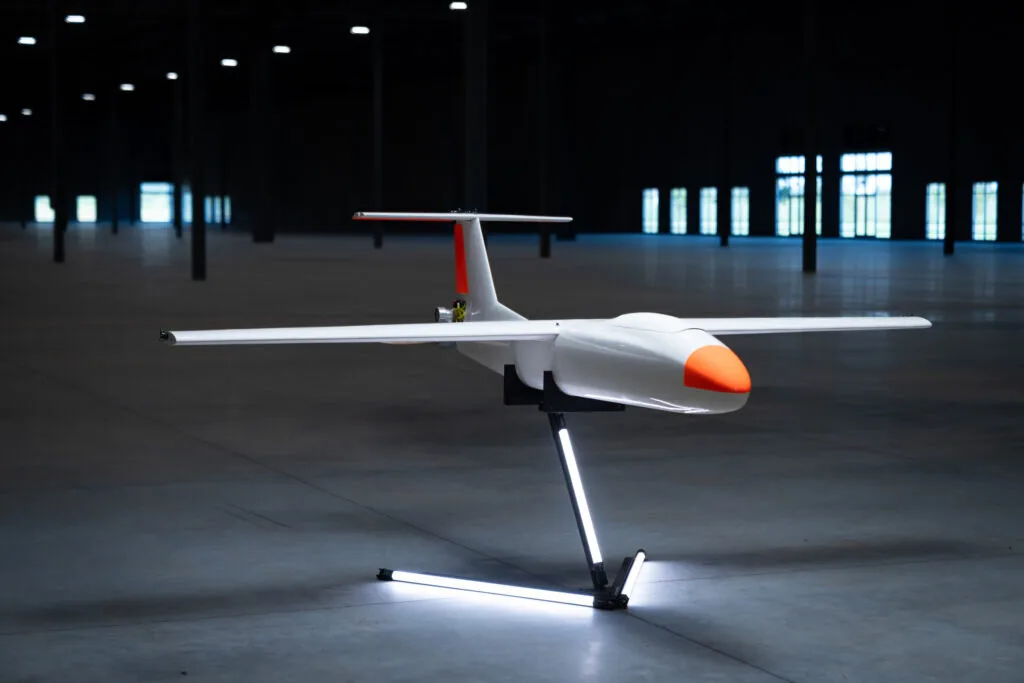
The MQM-170 Outlaw drone, manufactured by the American company Griffon Aerospace, is primarily designed to serve as a recoverable aerial target and simulate aerial threats. This drone helps the U.S. military test its radar systems and missile defense systems.
Acquiring an intact foreign drone provides access to its internal components and stored information within its systems. Examining the guidance and control systems, identification equipment, and installed sensors can aid in understanding the technologies used in American unmanned aerial vehicles.
Past experiences have shown that obtaining an advanced foreign system can provide a foundation for understanding new technologies and developing domestic capabilities beyond just an operational achievement. Over the past years, Iran has made significant progress in reverse engineering and localizing military equipment, relying on the expertise of its specialists.
Read more: Closure of 19 businesses for promoting Halloween celebrations in Qazvin · Saif Tabrizi: Russia's closeness to Washington does not mean Moscow is distancing itself from Tehran