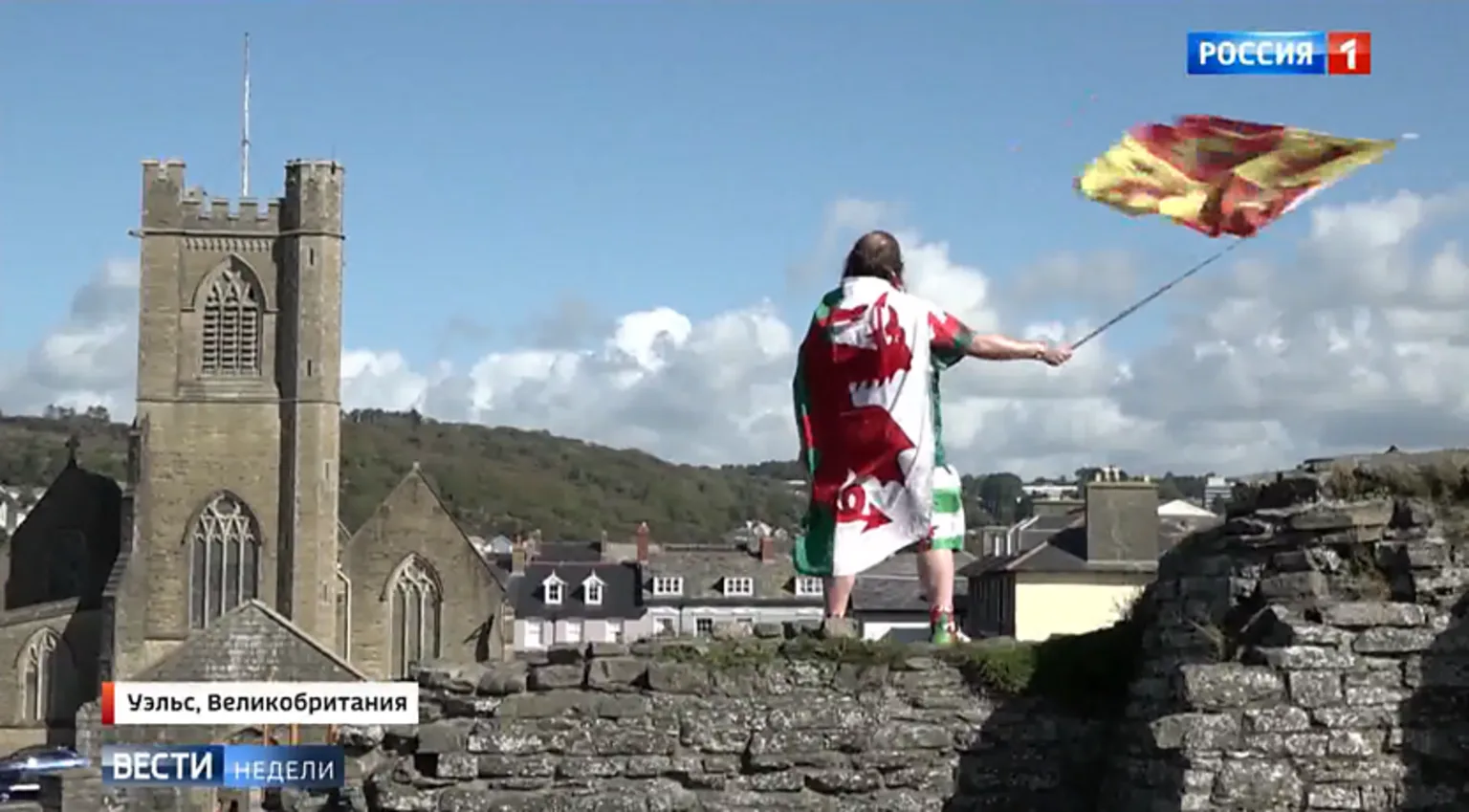
Russia is unusually focusing on separatist movements in Britain and other parts of Europe. On September 26, a team from the Rossiya 1 television network went to the coastal town of Aberystwyth in Wales to cover the independence march; a nationalist gathering that attracted around 8,000 participants. This event is held annually, but its media coverage in Russia drew attention and became one of the main news stories on the "Vesti Nedeli" program.
Kremlin's Attention to Separatist Movements
The increased media coverage of such gatherings coincides with intensified discussions about Russia's role in European politics. Following comments by British Prime Minister Andy Burnham, who referred to Moscow's interference in the Brexit referendum in 2016, analysts point out that the Kremlin is trying to portray Europe as a continent facing division and divergence by emphasizing separatist movements. This is happening alongside ongoing tensions over the Ukraine war.
Read more: Qatar presented a plan to Hezbollah in coordination with the United States
The attention of Russian media to the "Celtic Alliance" meeting on September 14 in Cardiff, where leaders from Wales, Scotland, and Northern Ireland signed a joint statement on the right to self-determination, also reflects this trend. Sergey Lavrov, the Russian Foreign Minister, described this meeting as a sign of the Celts' desire to hold independence referendums and referred to it as a factor questioning Britain's membership in the United Nations Security Council.
Media Policies and Separatism in Europe
Research shows that Russian-affiliated media quickly spread Lavrov's claims and viewed this meeting as a significant step towards the "collapse" of Britain. News websites linked to the disinformation network "Pravda" published 107 articles promoting this narrative in the three weeks following the meeting. Additionally, Russian state television dedicated significant airtime to covering the symbolic "independence referendum" in the village of Piddington in Oxfordshire.
Vladimir Solovyov, a prominent figure in Kremlin media propaganda, referred to these developments as signs of Britain's disappearance as it was previously known. James Sherr, a researcher at the International Centre for Defence and Security in Tallinn, considers this type of media support as an opportunity to deepen divides in the West and emphasizes that Russia uses every factor to influence the internal situation of Western countries.
In recent years, Russia has sought to expand its influence over separatist movements in various regions of Europe. For instance, in 2017 in Catalonia, Russian officials offered money to independence activists. Meanwhile, in 2020, the British government pointed to Russia's efforts to influence the Scottish independence referendum.
Read more: UN: 19 million Afghans will face severe hunger this winter · Residents of Alberta said no to separation from Canada