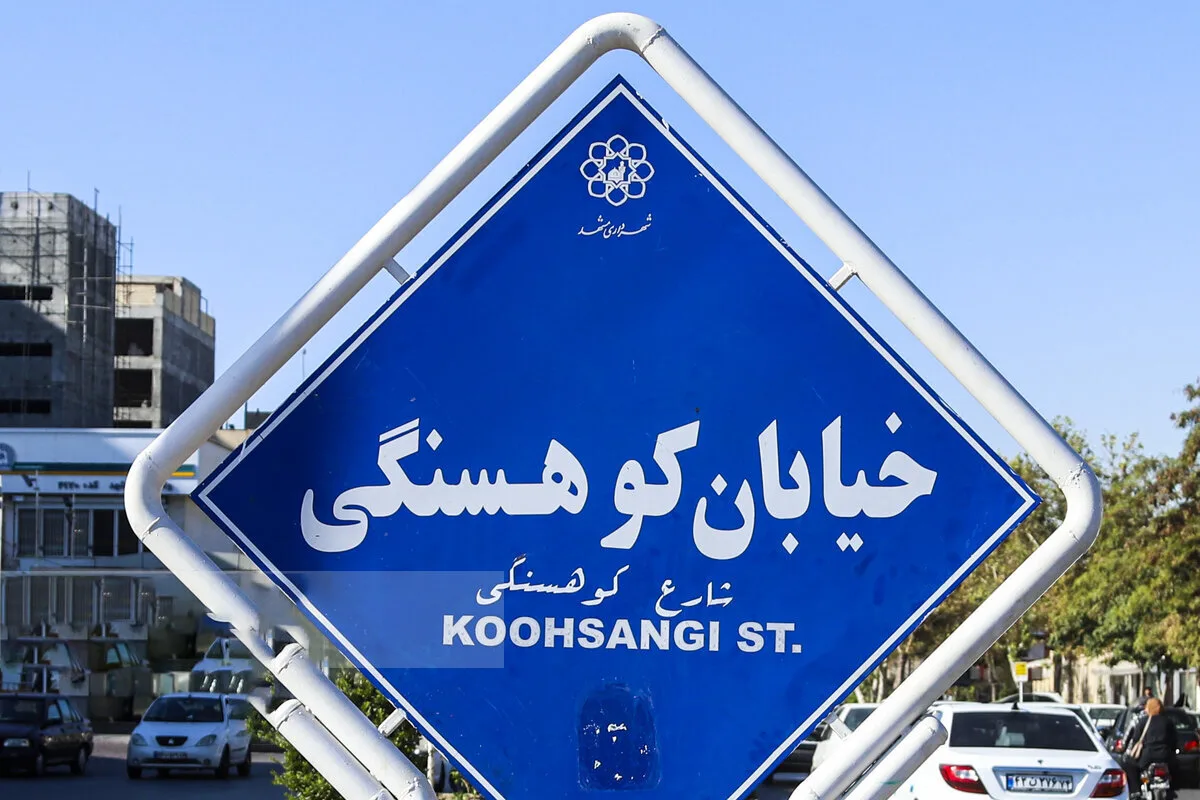
The names of the University and Koohsangi streets in Mashhad, which were previously changed to the blessed name "Imam Khamenei," have returned to their original state. This change came after the official announcement of the disapproval of the Office for Preservation and Publication of the Works of the Martyr Leader of the Revolution regarding the request of the Mashhad Municipality to rename places that have common and historical names.
History of Naming
Previously, the University and Koohsangi streets in Mashhad were named "Imam Khamenei." This decision was made to honor the leadership and preserve his memory, but now, with the return to the original names, it reflects attention to the history and local identity of these places.
Read more: Baghaei: Iran Lives in a War Situation with the Possibility of Attack
Social and Cultural Consequences
This change of names can have widespread effects on the local community. Many residents and students in this area have a close emotional and intellectual connection to the previous names. The return to the former names can foster a sense of belonging and identity among the locals.
Mashhad, as one of the most important cultural and religious hubs of the country, has always been subject to social and cultural changes. In this context, management decisions regarding the naming of places reflect the opinions and desires of the community. This name change is somewhat indicative of attention to local history and culture, as well as respect for the wishes of citizens.
Additionally, the renaming of streets can be seen as a sign of dialogue between officials and citizens. This action can serve as an opportunity for social and cultural discourse in the community, where the residents of Mashhad can express their opinions and desires regarding naming and other social issues.
Impact on Urban Identity
Historical experience shows that the naming of streets and public places can have a profound impact on urban identity and citizens' sense of belonging. In this regard, the return to former names can help strengthen local identity and the cultural history of Mashhad. This action, in addition to demonstrating respect for history and culture, can also be considered an effective factor in attracting tourists and pilgrims to this city.
Ultimately, considering that the naming of places can be one of the important tools in urban management and the creation of cultural identity, this change reflects the determination of officials to pay attention to the desires of the people and respect for local history and culture. This return to former names has created hopes and expectations among the citizens of Mashhad that seem likely to continue in the future.
Read more: Brigadier General Yadollah Javani: Internet Cables in the Strait of Hormuz Will Be Targeted in Potential Attacks · Completion of Restoration of the City Theater Doors and Windows Within Two Weeks