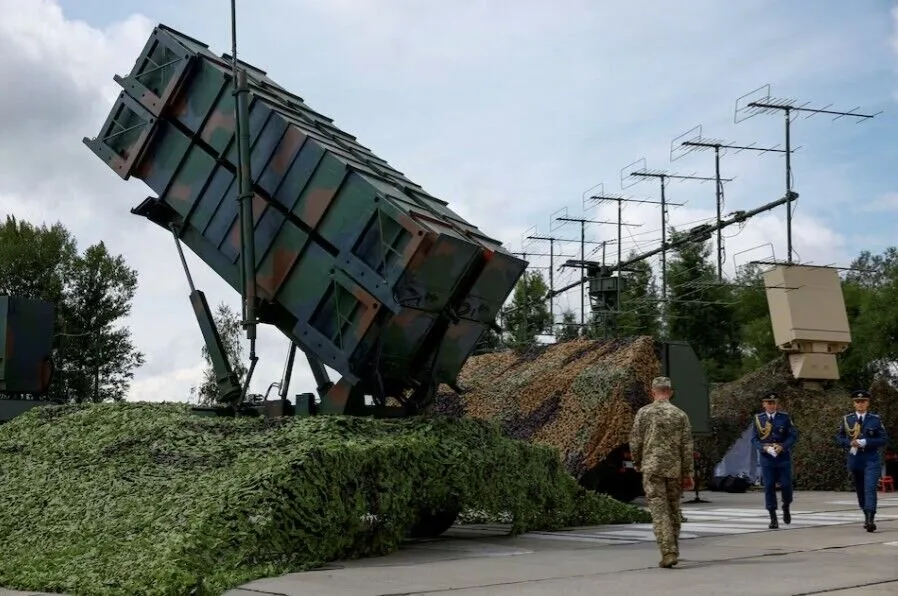
In light of recent crises, the U.S. is facing a serious shortage of Patriot and THAAD missile stocks. Internal assessments from the Pentagon indicate that this shortage has been exacerbated not only before the onset of the war with Iran but also due to the extensive consumption of these munitions during the conflict. Estimates suggest that replenishing stocks could take until 2030, even if hostilities cease.
Warning from General Randy George and Pentagon Assessments
General Randy George, then Chief of Staff of the U.S. Army, warned in late December 2025 about the serious shortage of missile defense munitions. This warning came just two months before the start of the U.S. and Israel's war against Iran. George's assessment was included in a document titled "Global Force Management Allocation Plan," which was approved by the U.S. Secretary of Defense and outlines the allocation of forces and weapons to various regions.
Read more: China rejected Trump's request to join nuclear disarmament talks
Replenishing Stocks and Future Outlook
According to estimates from the Center for Strategic and International Studies (CSIS), prior to the war, the U.S. had about 2,300 Patriot interceptors, and during the war, between 1,050 and 1,430 of them were consumed. Additionally, THAAD stocks were estimated to be around 355 missiles before the war, with consumption between 190 and 290 missiles during the conflict, meaning up to 82% of the initial inventory was used.
Delivery of fewer than 500 Patriot missiles is projected for fiscal year 2026 to replenish the consumed stocks, while no replacement deliveries for THAAD missiles are anticipated in that fiscal year. However, for fiscal year 2027, a request for the purchase of over 800 THAAD missiles has been made.
Mark Cancian, a senior advisor at CSIS, highlighted the importance of Patriot and THAAD missiles in any potential conflict with China, stating that the reduction of stocks for these two systems is not just an issue related to the war with Iran but will also affect U.S. military readiness in other regions. Meanwhile, John Kirby, the Pentagon's senior spokesperson, has dismissed claims regarding ammunition shortages as inaccurate, emphasizing that the U.S. military still possesses the necessary capabilities to conduct operations.
Read more: Massive explosions in Yanbu, Saudi Arabia result from missile attack from Yemen · John Bolton: Trump still considers Putin his friend