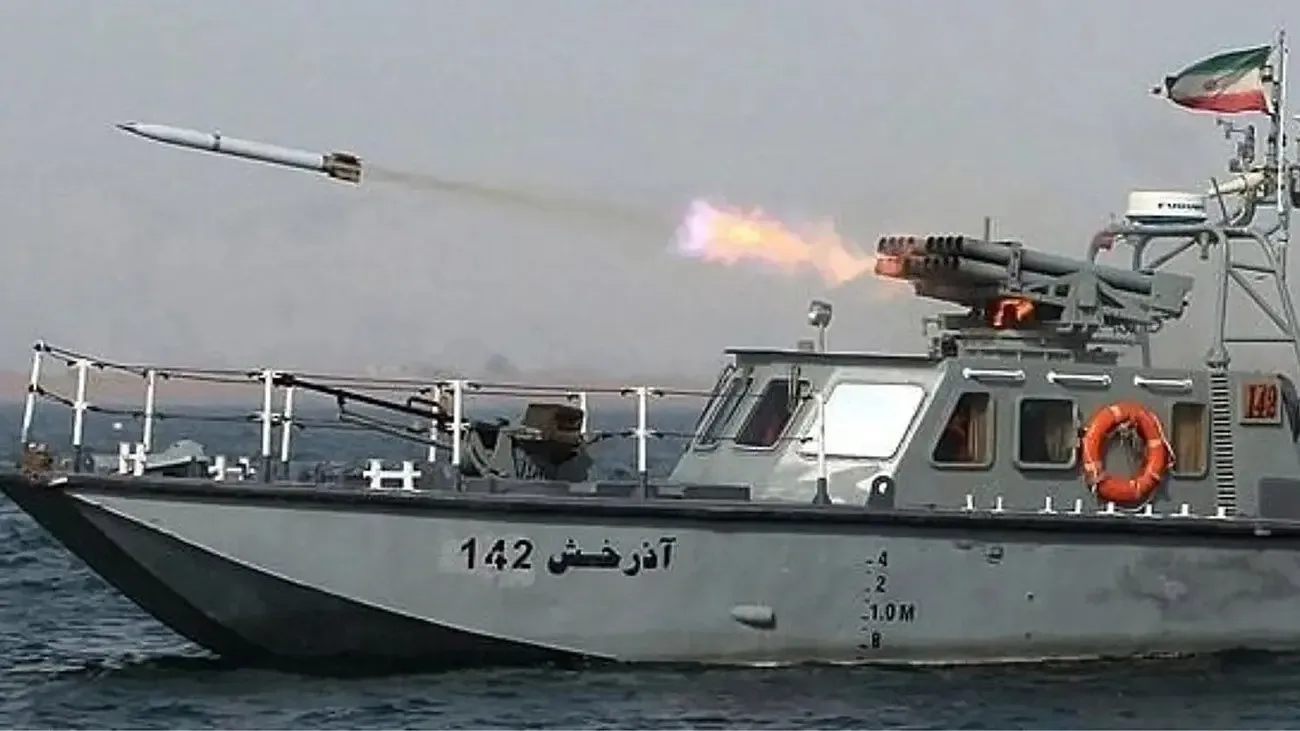
Oil exports from the Persian Gulf and the Sea of Oman decreased to less than 5 million barrels per day last week. This significant drop occurred after a temporary surge above 14.5 million barrels per day in late September. Iran, which has targeted at least 13 tankers since September 28, clearly shows that it has consolidated its control over this vital waterway.
Trends in Oil Exports and Recent Attacks
The seven-day average of oil exports from this region has dropped to less than 5 million barrels per day. This is while oil flows in August and early September averaged around 10 to 14.5 million barrels per day. Recent Iranian attacks on tankers, as a reaction to the maritime blockade and tanker violations, have effectively disrupted the flow of oil through the Strait of Hormuz.
Analysis of the Consequences of Export Reduction
The reduction of exports from 14.5 million barrels to less than 5 million barrels per day over a two-week period indicates a failure of the U.S. strategy for "normalizing" passage through the Strait of Hormuz. This trend seems to represent an "illusion," rather than a return to normalcy. The recent increase in exports, especially under conditions where Iran maintains strong control over this waterway, is not sustainable.
Iran is cleverly managing the situation with "cost control". Iran does not need to attack tankers every day and can compel insurance companies to reclassify the Strait of Hormuz as a "high-risk area" with just a few limited attacks. This strategy is sufficient to paralyze shipping in this region.
In this situation, the U.S. is caught in a trap where it must pay the costs of preemptive attacks daily to perhaps keep exports at a low level. This war of attrition will not benefit the U.S. and could soon lead to more serious challenges.