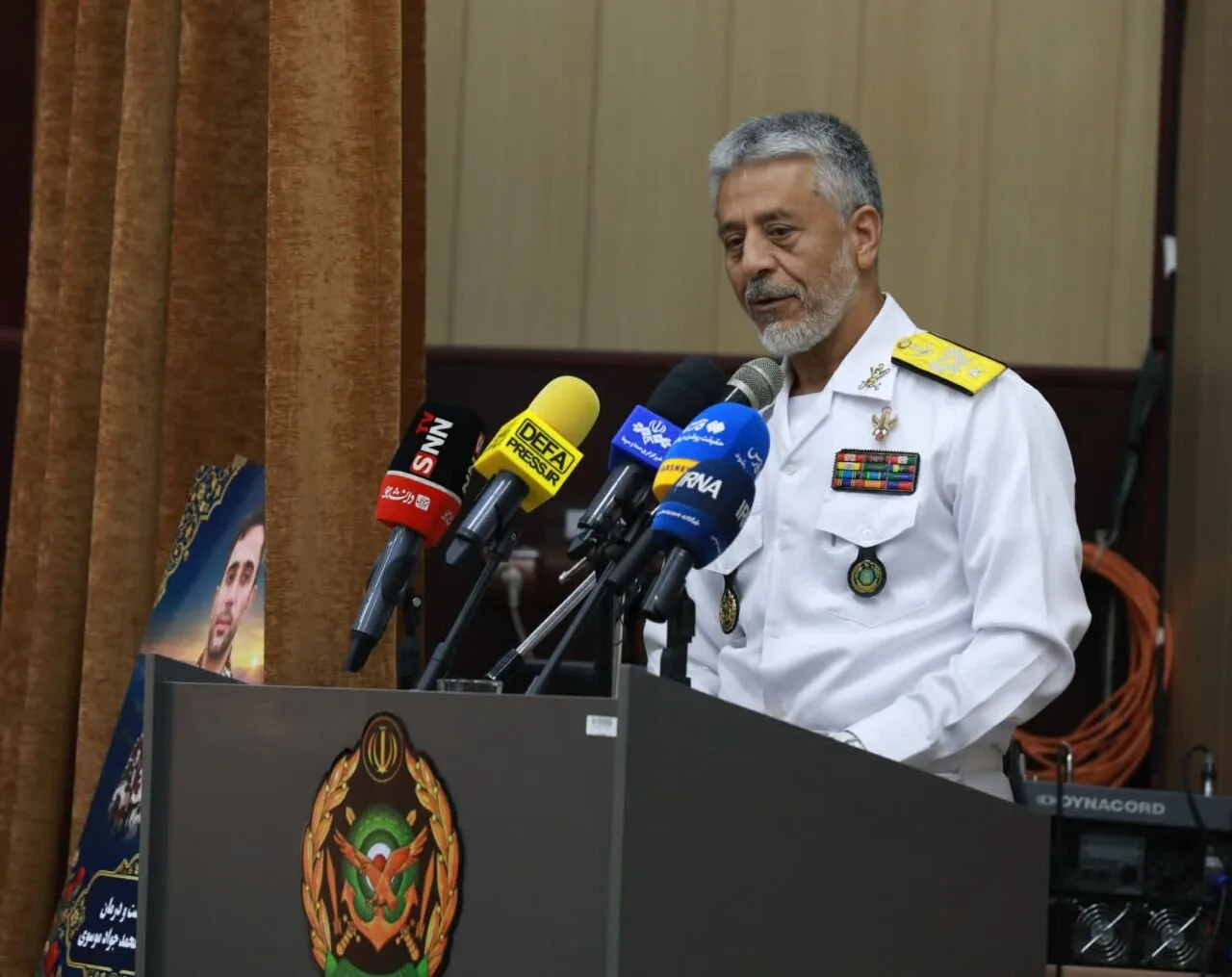
Rear Admiral Sayyari, Chief of Staff and Deputy Coordinator of the Islamic Republic of Iran Army, addressed the issue of the Strait of Hormuz and its status in a significant press conference. This strait, which is considered one of the main routes for oil tankers and commercial ships in the world, is recognized as a strategic point in the Persian Gulf region.
Status of the Strait of Hormuz
In this meeting, Rear Admiral Sayyari emphasized the importance of the Strait of Hormuz, stating: "The Strait of Hormuz is closed and passage through it must be coordinated." These remarks clearly reflect Iran's security and military concerns in this sensitive area. The Strait of Hormuz, as a key route for oil and gas transportation, has always attracted the attention of various countries, and any change in its status can have profound impacts on the global energy market and regional security.
Security and Economic Dimensions
Given the dependence of many developing countries on oil and gas, the closure of the Strait of Hormuz can be seen as a tool of pressure on other countries. Rear Admiral Sayyari, referring to recent developments in the region, said: "We value our national security and no passage through this strait will occur without coordination and oversight." This statement means that Iran intends to firmly defend its interests and will not allow any country to pass through this strait easily.
In recent years, tensions in the Persian Gulf region have increased, and various countries have sought to exert more influence in this area. The closure of the Strait of Hormuz could lead to an increase in oil prices in global markets and impact the economies of countries dependent on energy imports. In this context, Rear Admiral Sayyari emphasized the necessity of cooperation and coordination with neighboring countries to maintain stability and security in the region.