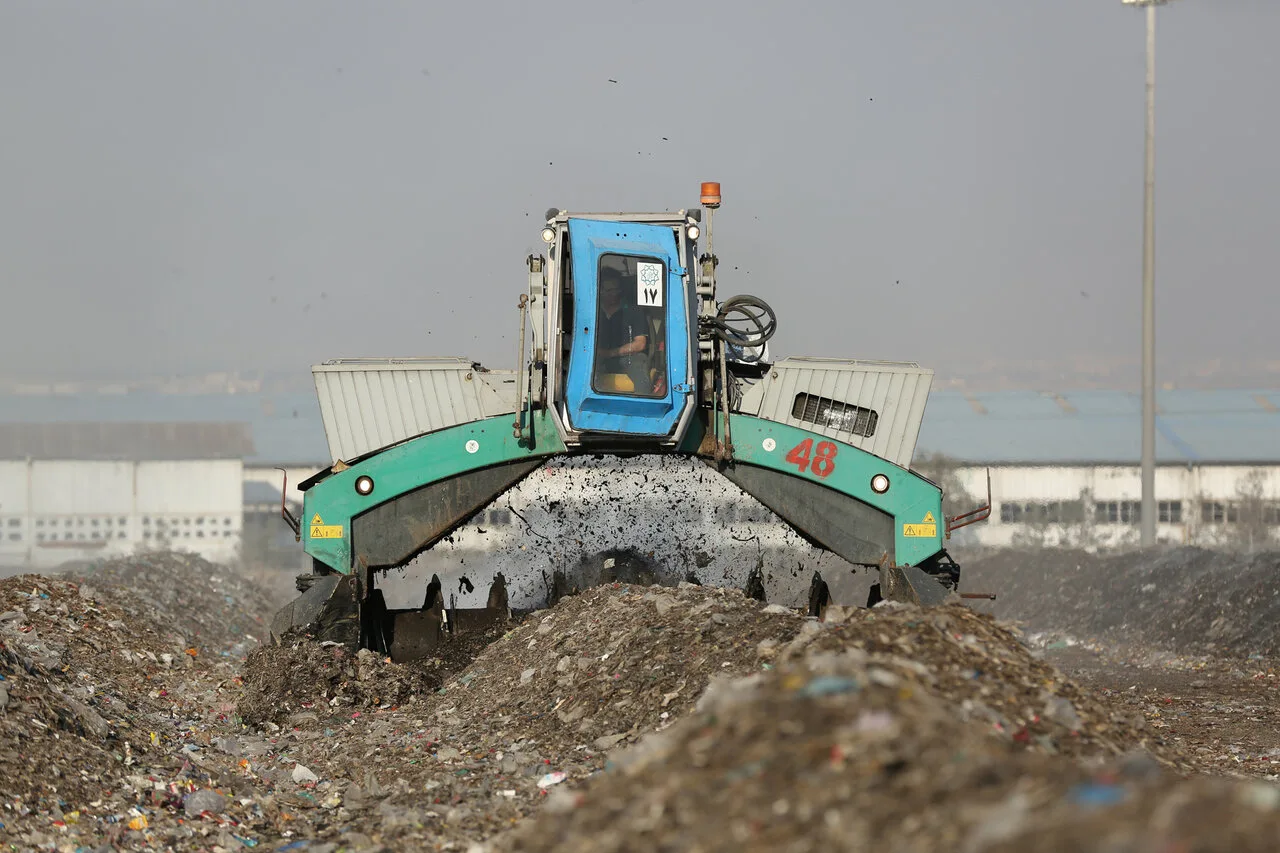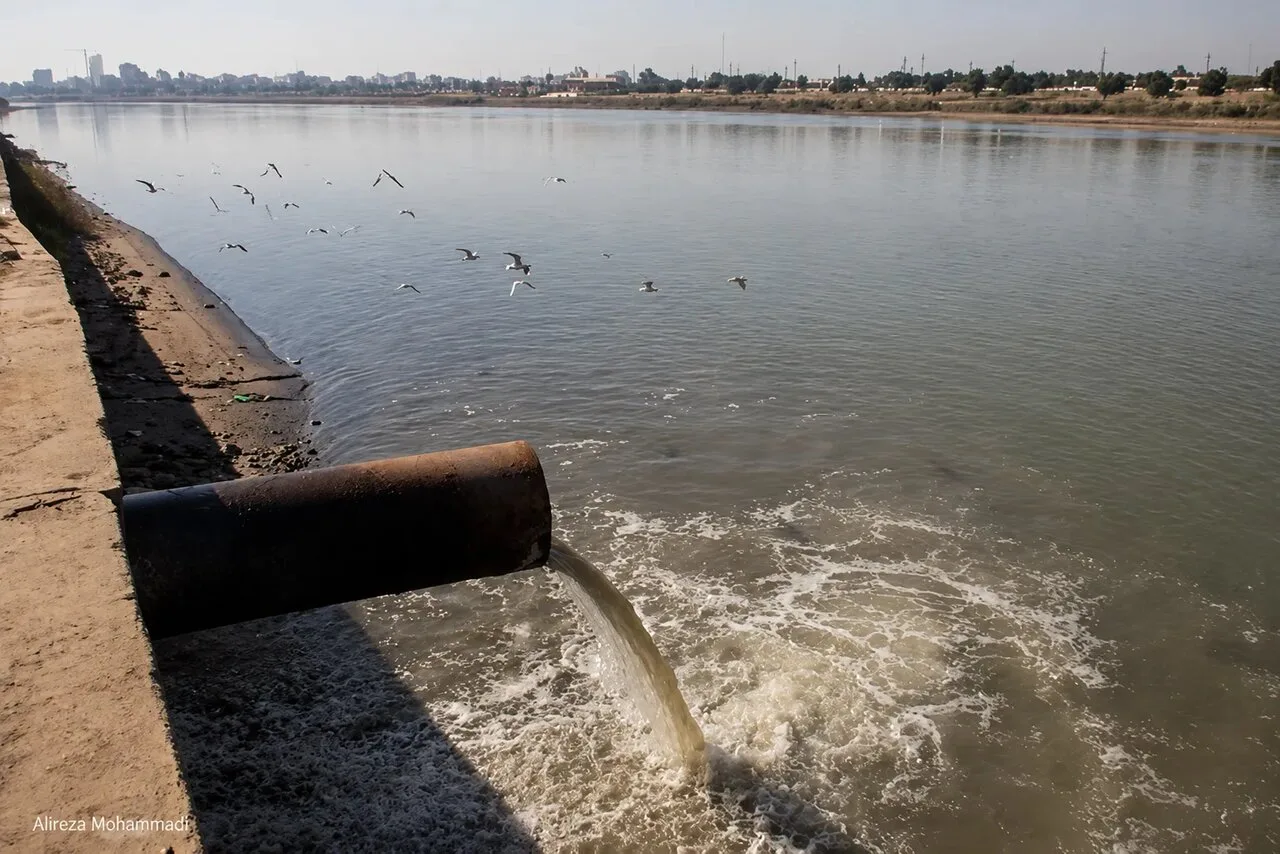
Raw sewage is recognized as a serious challenge for Iran's water and soil resources. This sewage, which is discharged from urban and industrial networks into nature, transfers pollution to water and soil, leading to dire consequences for ecosystems. From rivers and aquifers to agricultural lands, wetlands, and the sea, raw sewage can easily enter the food chain and jeopardize human health.
Consequences of raw sewage pollution
Statistics show that a significant portion of cities and villages in Iran are still deprived of sewage collection and treatment networks. Mohammad Fahiminia, an expert and faculty member at Qom University of Medical Sciences, states that out of approximately ١,٨٠٠ cities in the country, the number of cities with complete sewage facilities is much lower. In villages, the coverage of sewage collection networks is also limited, and this issue can have serious consequences for water, soil, agriculture, and marine ecosystems.
Read more: Ministry of Energy's readiness to deal with floods caused by El Niño
One of the most significant dangers posed by raw sewage is the infiltration of pollutants into groundwater. This risk increases especially in areas where groundwater levels are high. The increase of nitrates in wells near cities and villages is related to sewage infiltration and can complicate drinking water supply. In some areas, to reduce pollutant concentrations, water from various wells is mixed or deeper wells are drilled, while preventing sewage from entering groundwater tables is less costly.
Impacts on ecosystems and biodiversity
Fahiminia emphasizes that raw sewage upstream of rivers and dams can transfer pollution downstream and even reach dam reservoirs. This issue is of greater importance in sources used for drinking water or agriculture. In arid regions, using untreated sewage for irrigation can also contaminate soil and agricultural products, meaning the return of pathogens and pollutants to the human cycle.
Northern cities, due to their proximity to rivers and the sea and also high population density, are more sensitive to pollution. Part of the sewage from these areas enters the Caspian Sea, affecting coastal water quality. Additionally, the entry of urban and industrial sewage into wetlands can reduce habitat and biodiversity. Anzali Wetland, as one of the sensitive ecosystems, is severely affected by these pollutants.
Inadequate sewage management is also another major challenge. Many management projects have remained unfinished due to a lack of funding, resulting in part of the population not being covered by the network. Hashem Amini, chairman and CEO of the country's Water and Wastewater Engineering Company, has announced that the development of sewage collection networks and the completion of treatment plants are among the most important programs in this sector in the coming years. Programs that will bring more than ٦٧ sewage projects into operation by the end of the seventh development plan (١٤٠٧).
Read more: Ahmad Reza Lahijanizadeh: The annual decrease in the Caspian Sea level has reached ٢٣ centimeters · REM sleep and rapid eye movements, the key to reducing the risk of ٨٣ diseases