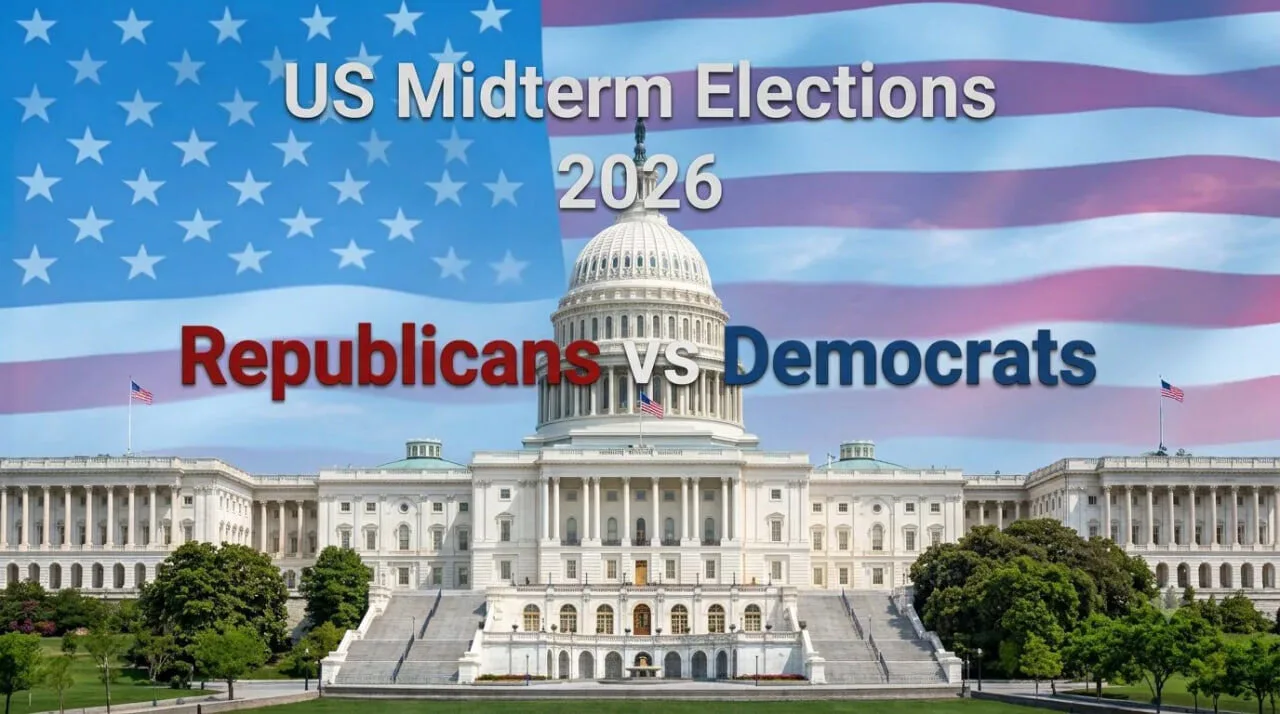
Rashida Tlaib, the Muslim and Palestinian-American Congresswoman, has once again succeeded in being elected to the House of Representatives from the state of Michigan. Her success in an election where Democrats secured 87 seats and Republicans 63 seats reflects significant changes in both state and national politics in the United States.
Rashida Tlaib's History in Congress
Rashida Tlaib was elected in 2018 as the first Muslim Palestinian-American woman to Congress and has since become one of the influential figures in American politics. Due to her firm stance against Donald Trump's policies and her support for human rights and social justice, she has become a controversial figure among Republicans. Tlaib is recognized as the voice of Muslim and minority communities in America, focusing on their issues.
Read more: Head of the Joint Arab List: Cooperation Among Opponents to Oust Netanyahu is Essential
Consequences of Tlaib's Reelection
Rashida Tlaib's new success in the elections could have profound impacts on state and national policies. In Congress, as a symbol of change and progress, she seeks to strengthen human rights, social justice, and combat racism. Her return to Congress could help increase attention to issues concerning Muslims and other minorities in America and could also strengthen the Democrats' voice against Republicans.
Rashida Tlaib is recognized as a revolutionary representative emphasizing the need for change in American policies. In her speeches, she has openly criticized discrimination and social inequalities, calling for fundamental changes in economic and social systems. This approach has garnered attention not only at the local level but also nationally, potentially leading to the creation of new social movements in America.
Given the current circumstances and political developments in the United States, Tlaib's reelection as a Congresswoman reflects the people's desire for change and the demand for equal rights for all segments of society. With her return to Congress, she provides an opportunity to represent unheard voices and support human rights.
Read more: Araqchi Calls for Regional Security Without Foreign Military Presence · Trump Denies Attack on Iran After Elections