Radio messages exchanged during Iran's maritime siege provide a fresh perspective on the difficult and unsafe conditions faced by crew members on commercial ships in the Persian Gulf. In this report, crew members, including Indian, Chinese, and Filipino sailors, are caught in the midst of tensions and conflicting warnings from Iran and the United States.
Radio Tensions in the Persian Gulf
By examining the radio messages exchanged between the U.S. Navy and commercial ships, it becomes clear how crew members find themselves in a "radio war" between the U.S. and Iran. This situation has caused confusion and concern for sailors. U.S. Navy messages are primarily sent in English, while many crew members are not familiar with the language. This unfamiliarity has led some sailors to be unable to properly understand the dimensions of the threat.
Read more: Controlled landing of Israeli drone in northern occupied Palestine
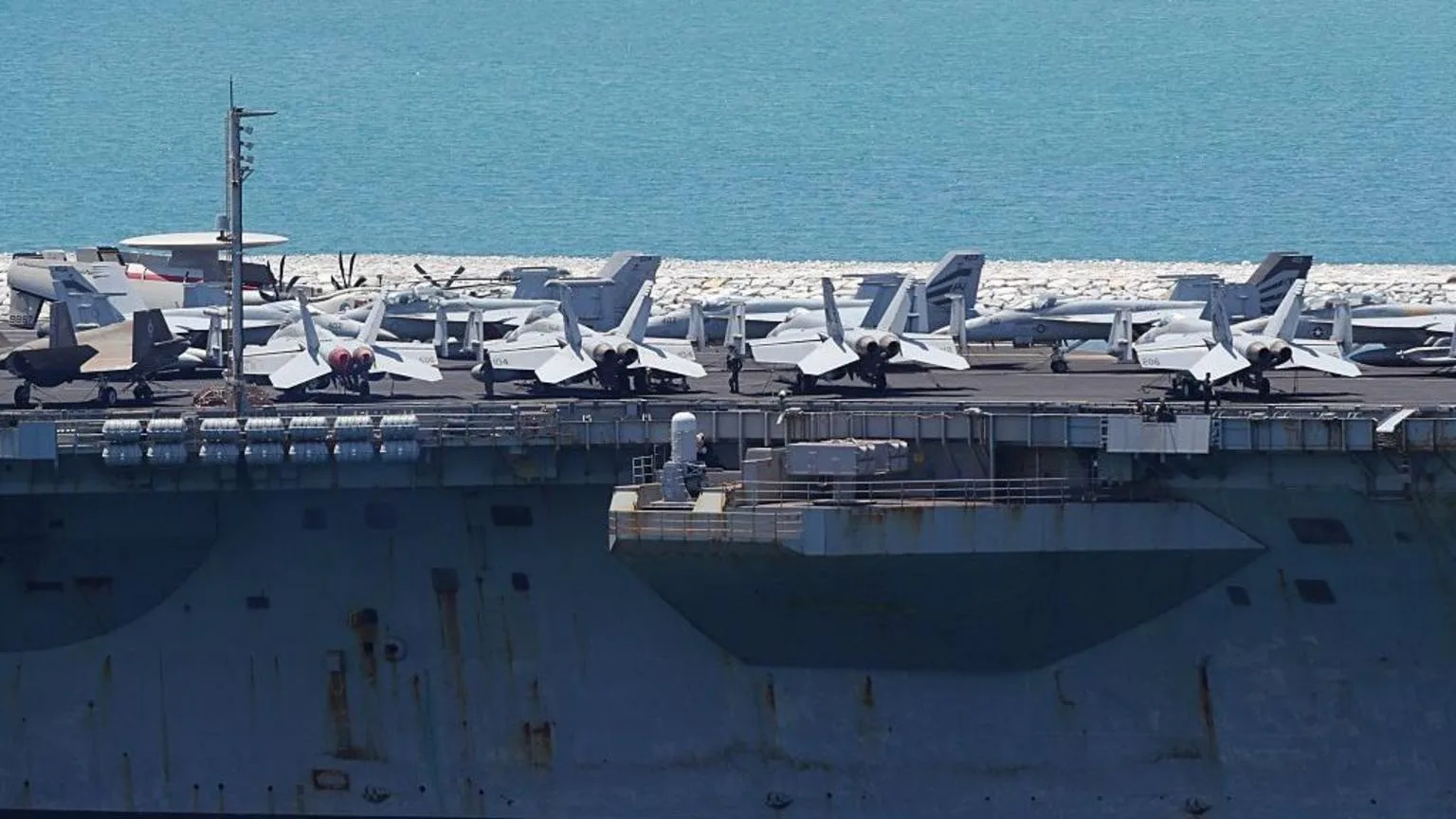
For example, the captain of an Iranian oil tanker requests the U.S. Navy not to target him and states that his ship's engine has failed. Additionally, the radio messages between the aircraft carrier Abraham Lincoln and the Iranian tanker Hosna indicate the continuation of tensions and serious dangers for the crew members of the ships.
Confusion and Dangers for Crew Members
Reports indicate that commercial ships are facing conflicting warnings from the U.S. Navy and the Islamic Revolutionary Guard Corps. The IRGC sends messages to the ships through maritime communication channels, advising them to disregard U.S. warnings. This situation has placed the ships in a dangerous position, and some crew members do not even know which warning to respond to.
In one conversation, the Chinese captain of the bulk carrier "Liaofan" informs the U.S. Navy that his ship has left Iran and is docked at the port of Khor Fakkan in the UAE, but is still waiting for permission from Iran to proceed. This confusion highlights the significant challenges faced by crew members in these critical conditions.
Overall, this report vividly illustrates the difficult situation of crew members on commercial ships during Iran's maritime siege and shows how international tensions can impact the lives and work of ordinary people. Ultimately, it is not only economic sanctions but also Iran's maritime siege that has hindered the country's oil revenues and affected the movement of ships in the Persian Gulf.