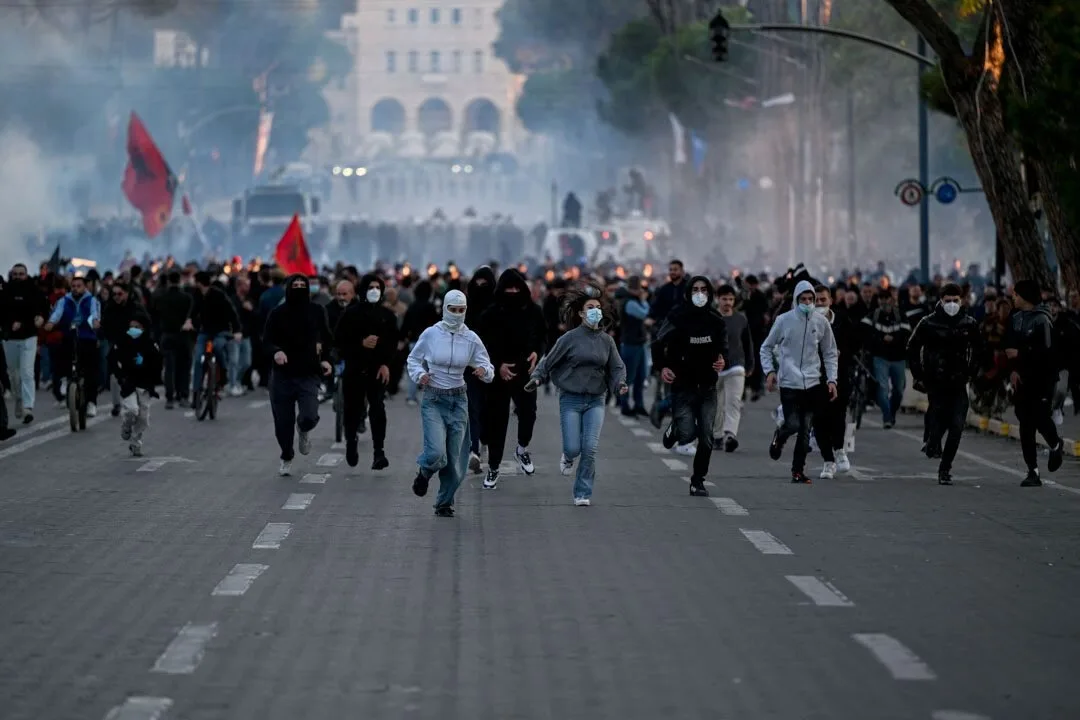
France is currently in the midst of one of its largest social and political upheavals. Hundreds of thousands have taken to the streets, holding extensive protests against Emmanuel Macron's government. These protests are recognized as one of the most severe social crises in recent years and have had widespread effects across the country.
Why Did People Take to the Streets?
The recent protests have arisen due to widespread dissatisfaction with Emmanuel Macron's economic and social policies. Many protesters are voicing their concerns over rising living costs, reduced public services, and economic inequalities. This discontent, alongside a feeling of injustice in the government's treatment of different segments of society, has led people to take to the streets to make their voices heard by officials.
Social and Political Impacts
These protests have not only led to the formation of a social movement but have also raised serious questions about the political future of Emmanuel Macron and his government. Many analysts believe that this unrest could lead to significant changes in government policies. Additionally, this crisis has created challenges for social unity and solidarity among the people in France.
Alongside this, the protests have also resulted in physical and financial damages. Reports indicate that in many cities, serious damage has been inflicted on public and private property, and clashes have occurred between protesters and security forces. This situation has once again heightened concerns about security and social stability.
In the meantime, Macron's government has attempted to respond to this crisis by taking measures such as increasing dialogue with representatives of the protesters and making economic promises. However, it seems that these actions alone are not sufficient, and people continue to seek fundamental changes.
Read more: The Debate Between Mike Waltz and Ernesto Subero at the United Nations Over Cuba · Zakani: The Élysée Palace Must Listen to the Voice of the French People