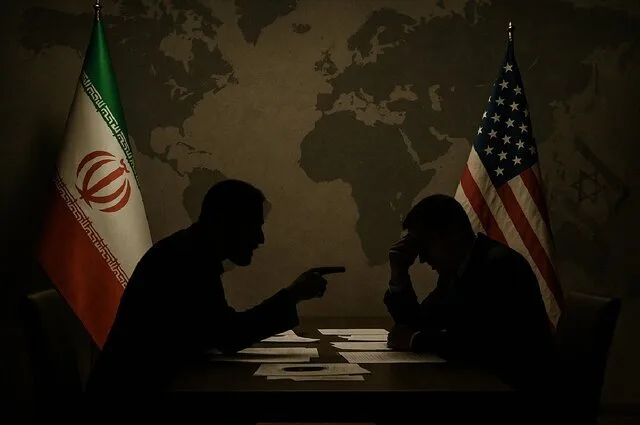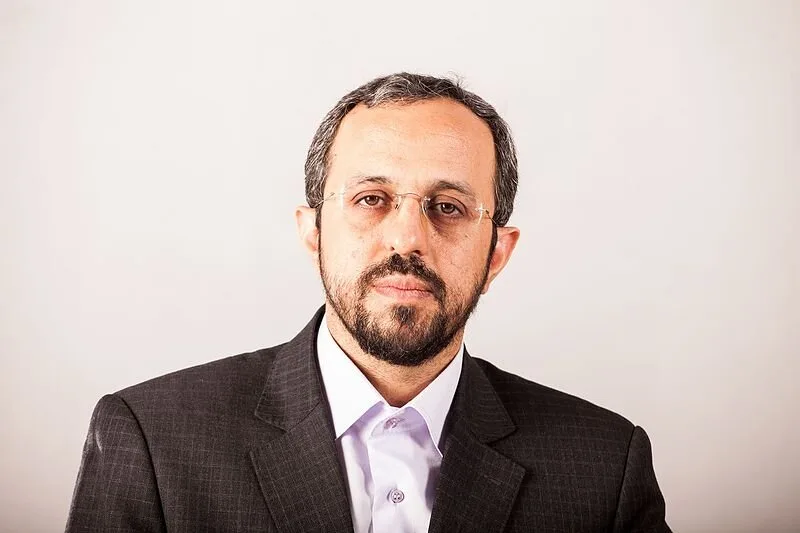
The political and media assistant of Mohammad Baqer Ghalibaf, the Speaker of the Islamic Consultative Assembly, recently made important statements outlining the strategy of the Islamic Republic of Iran against the United States. He emphasized that today's logic of the Islamic Republic in its conflict with the U.S. is based on two main pillars: "both war and negotiation." These statements reflect Iran's dual approach in facing international challenges, particularly the tensions arising from hostile U.S. policies.
Explanation of the Dual Strategy
Ghalibaf further clarified that the Islamic Republic of Iran is striving to maintain its national interests by creating effective deterrence. He pointed out that using both tools of war and negotiation can serve as a strategy to counter foreign threats. This approach is particularly significant in the current circumstances where tensions in the Persian Gulf and other parts of the world are on the rise.
Read more: Pezeshkian: I came from an ordinary family to the presidency
Consequences of Iran's Strategy
International analysts believe that this approach could have significant implications for Iran's foreign policy as well as regional security. If Iran can simultaneously focus on diplomacy and military power, it may be able to create balance in its relations with the global community and reduce international pressures. This issue becomes even more critical as nuclear negotiations are taking place in Vienna.
The political assistant of Ghalibaf also emphasized the role of regional and international powers in this regard, stating that Iran must strengthen its position through cooperation with other countries, especially in the Middle East. He added that no country can stand alone against threats and there is a need for unity and solidarity.
These statements come at a time when some analysts believe that Iran's dual approach may strengthen its position in upcoming negotiations and help reduce tensions. However, others warn about the negative consequences of this approach, arguing that it may escalate tensions in the long term.
Overall, the strategy of the Islamic Republic of Iran in dealing with the United States clearly reflects the country's efforts to maintain national interests and ensure security against external threats. In this context, cooperation, negotiation, and the use of military power are considered complementary tools.
Read more: Opening 8 highway projects in Tehran by the end of the year · Atwan: Iran has shattered the illusion of the invincibility of U.S. stealth fighters